What is the Price of HDPE Geomembrane?
Blog · 2026-05-25 · 0 views
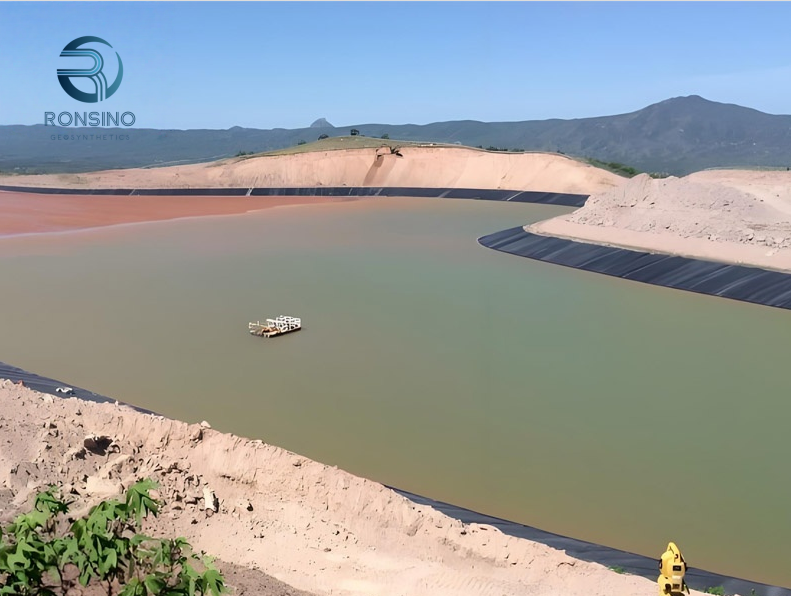
High-density polyethylene (HDPE) represents a cornerstone technology within the realm of geosynthetics finding extensive application across critical sectors including large-scale civil works mining endeavors fish farming ventures waste management systems due largely to its exceptional capability in forming reliable containment shields that effectively block migration regarding liquids gaseous elements various pollutants despite these functional benefits prospective purchasers hailing from international markets along with independent contractors responsible overseeing project logistics typically commence their procurement process by investigating financial aspects specifically aiming determine expenditure requirements associated with acquiring HDPE liner materials
In this in-depth review, Ronsino will be dedicated to comprehensively explaining the quotation system and its internal logic of high-density polyethylene (HDPE) geomembrane; we will not only carefully dismantle the core driving forces that affect cost fluctuations, but also make a forward-looking outlook on the industry market trends and estimated price space in 2025; at the same time, we will also teach a series of expert strategies with great practical value to help you formulate the most cost-effective scientific procurement plan while ensuring the excellent quality of engineering materials.
1. What Is HDPE Geomembrane Sheet?
High-Density Polyethylene (HDPE) geosynthetic liners represent a critical impermeable solution manufactured using refined HD polymer compounds. These sheets are fabricated employing sophisticated three-layer co-extrusion blow molding or calendering flat die extrusion techniques to ensure uniformity and strength. The defining attributes and technical properties of these geosynthetic membranes include:
Excellent impermeability — the permeability coefficient is usually less than 1×10⁻¹⁴ cm/s.
High chemical resistance — resistant to acids, alkalis, salts, and most organic solvents.
UV resistance — stabilized by carbon black, suitable for long-term outdoor exposure.
Durability — service life can reach 50 years under proper installation and protection.
Flexibility — adaptable to uneven surfaces and ground settlement.
Common thicknesses of HDPE geomembrane range from 0.5 mm to 3.0 mm, and the width is generally 5 m to 8 m, which can reduce the number of welds and improve construction efficiency.
2. Applications of HDPE Geomembrane
HDPE geomembrane has a broad application spectrum in civil engineering and environmental projects. Typical applications include:
2.1 Landfills and Waste Containment
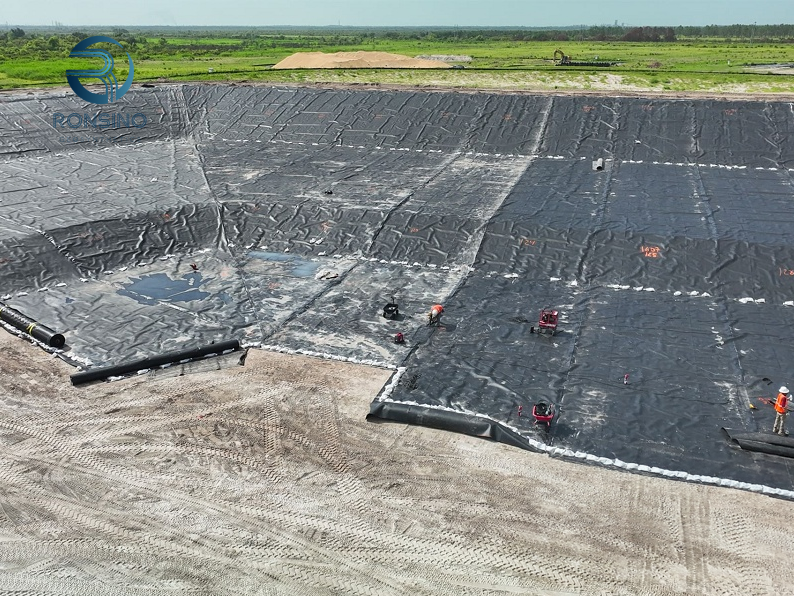
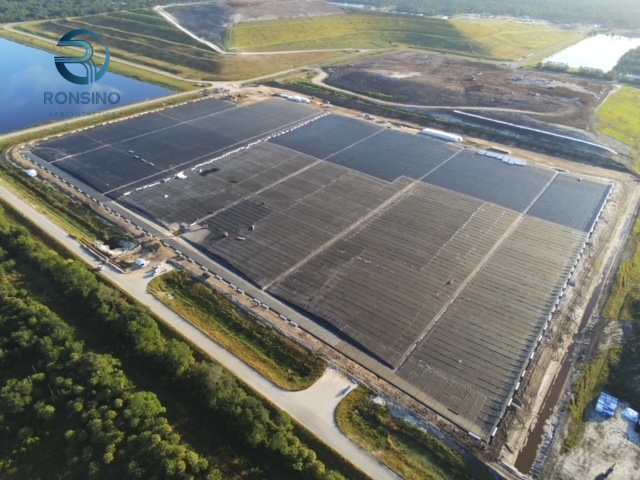
As a vital basic line of defense, the primary function of anti-pollution facilities is to strictly control all leachate generated within the landfill within the scope of the facility; then the precisely designed covering sealing layer will seal the waste to completely isolate the garbage dump from the external ecological environment; through the collaborative operation of this composite system At the same time, they can actively intercept leachate and prevent it from penetrating into the soil layer below, thereby creating a trustworthy multi-layered protective barrier. Ultimately, this critical function can provide long-term and stable protection of groundwater resources from potential pollution threats.
2.2 Mining Projects
The superior containment mechanism acts as an indispensable defensive shield for numerous industrial storage vessels operating under rigorous conditions To illustrate specifically its application extends over heap leaching terraces where it efficiently secures precious extracted fluids Concurrently this robust material establishes an impermeable seal within tailing repositories effectively confining mineral processing residues Additionally this durable substrate reliably confines volatile substances inside dedicated reservoirs and vaporization basins Consequently this structural assembly effectively eliminates any possibility of toxic fluids permeating adjacent strata or aquifers In summary this comprehensive lining technology delivers vital ecological safeguards across diverse arduous engineering scenarios
2.3 Aquaculture and Fish Ponds
This mechanism plays a crucial role in intercepting moisture penetration through its defensive layer. Therefore, it cultivates enduringly constant conditions within lakes or holding pools as an outcome of this impermeability Moreover by successfully containing fluids this solution guarantees secure shelter for underwater organisms while simultaneously upholding preset hydraulic standards Ultimately such dual efficacy not only defends robustness of adjacent topography but also sustains inherent ecological harmony within hydrological resources
2.4 Water Reservoirs and Canals
The core functionality relies on rigorous management regarding infiltration aiming notably at curtailing excessive liquid dissipation Through doing so provides immediate safeguards preserving indispensable hydrological assets Additionally applying such multifaceted tactics assures peak proficiency concerning moisture preservation across storage basins distribution channels plus cultivation sectors Ultimately vigorous promotion towards environmentally responsible administration secures prolonged availability regarding these fundamental commodities thereby benefiting both societal structures along with ecological habitats
2.5 Oil and Gas Industry
This specialized impermeable barrier executes dual fundamental roles within modern infrastructure projects primarily serving as fortified shields encircling bulk reservoirs piping networks establishing essential backup enclosures that guarantee hazardous leakage capture without fail beyond said application its utility extends significantly towards waterproofing massive crystallization lagoons engineered specifically sequester heavy brines production liquids thus permitting controlled volume reduction utilizing thermal energy from sun ultimately such adaptive mechanisms safeguard subterranean integrity aquifers while streamlining complex hydration cycles commercial operations
2.6 Tunnel and Dams
This purpose-built geomaterial essentially serves the role of superior waterproofing protection through constructing seamless defenses that offer zero permeability; thusly crucial construction components—including groundwork supports underground corridors earth-retaining constructions—are all preserved from harmful saturation effects Moreover employing such forward-looking protective strategies substantially mitigates dangers associated extended wear tear consequently boosting longevity civil engineering assets securing solidness future years
Because of these versatile applications, the HDPE geomembrane sheet has become a globally demanded material. Consequently, understanding the price structure is crucial for both distributors and end-users.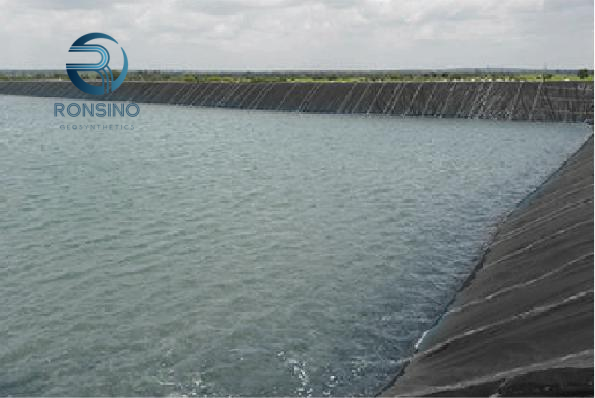
3. Factors That Influence HDPE Geomembrane Sheet Price
The market valuation for high-density polyethylene (HDGE) geosynthetic liners never adheres to a solitary constant figure; instead, total project expenditures fluctuate considerably subject to an assortment of unique technical specifications and variable conditions detailed herein which ultimately dictate costs assessed per square unit of area.
3.1 HDPE Geomembrane Sheet Price – Thickness and Density
The most direct factor influencing price is thickness. The thicker the sheet, the more raw material it requires, leading to a higher cost.
For example, a 0.5 mm HDPE geomembrane may cost around USD 0.7–1.0/m², while a 2.0 mm sheet can reach USD 2.5–3.5/m² depending on quality and brand.Density (which is around 0.94–0.97 g/cm³ for HDPE) also affects mechanical strength and flexibility, but usually, the change in density has less impact on price compared to thickness.
3.2 HDPE Geomembrane Sheet Price – Raw Material Cost
HDPE resin (typically from brands like Sinopec, ExxonMobil, or Dow) accounts for 60–70% of the total product cost.
HDPE resin prices fluctuate according to international crude oil prices, as it is derived from petroleum.
In 2025, the global HDPE resin price has been hovering around USD 1100–1300 per ton, which directly influences the geomembrane price.
3.3 HDPE Geomembrane Sheet Price – Additives and Carbon Black Content
To enhance UV resistance and extend service life, manufacturers add 2–3% carbon black and antioxidants.
Geomembrane panels characterized by superior quality, particularly those incorporating foreign-sourced chemical agents or featuring an even distribution of carbon black particles, typically command a modest price premium; however, they deliver significantly enhanced resilience and functionality when subjected to extended environmental conditions compared to standard alternatives.
3.4 HDPE Geomembrane Sheet Price – Manufacturing Process and Quality Control
There are mainly two production methods:
Blown Film Process
Flat Die Extrusion
The flat die extrusion technique typically yields smoother, more consistent sheets with superior tensile strength, yet it necessitates more sophisticated machinery and elevated manufacturing expenses. Vendors possessing GSM-accredited
3.5 HDPE Geomembrane Sheet Price – Surface Type: Smooth or Textured
Smooth geomembrane: used for ponds, tanks, and containment systems.
Textured geomembrane: provides better friction and is ideal for slopes and steep embankments.
Textured geomembranes are about 10–15% more expensive due to the additional texturing process.
3.6 HDPE Geomembrane Sheet Price – Order Quantity and Packaging
Bulk orders significantly reduce unit costs because manufacturers can optimize production and logistics.
For example, ordering 20,000 m² might cost USD 0.05–0.1/m² less than smaller quantities.
3.7 HDPE Geomembrane Sheet Price – Freight and Export Location
For export, the shipping cost (especially sea freight) plays a vital role in the total landed price.
A 40-foot container can load around 14–24 tons of HDPE geomembrane, depending on thickness.
Shipping to Southeast Asia costs less than shipping to Latin America or Africa, so the CIF price can differ by USD 0.2–0.5/m².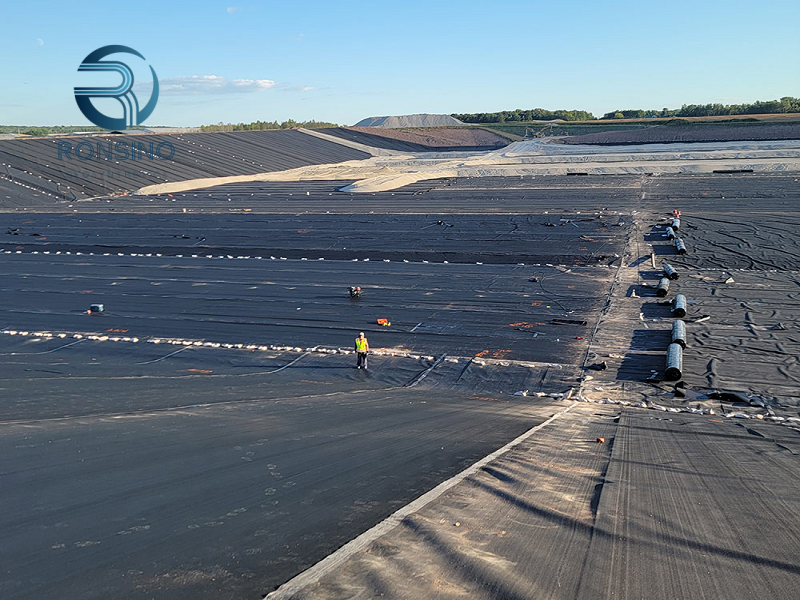
4. How to Evaluate the Cost-Performance Ratio
When evaluating HDPE geomembrane prices, the cheapest option is not always the most economical.
You should consider the service life, installation cost, and environmental risk of the material.
Here are a few key tips from RONSINO’s engineering team:
Choose 100% Virgin Material
Recycled material geomembranes are 20–30% cheaper, but their lifespan is often less than 5 years in outdoor use.
For critical projects like landfills or reservoirs, only virgin HDPE resin should be used.
Ask for Third-Party Test Reports
Trustworthy suppliers furnish comprehensive documentation that complies with ASTM or GRI GM13 standards, detailing critical performance metrics such as tensile strength, puncture resistance, elongation properties, and the concentration of carbon black.
Check Welding Compatibility
Some low-quality sheets contain too much filler, which affects welding performance.
A poor weld can cause leakage even if the sheet itself is thick.
Consider Installation Services
Professional welding and installation can cost USD 0.3–0.8/m², depending on the site condition.
Choosing a supplier who provides both materials and technical guidance can save cost and time.
5. Price Comparison: HDPE vs. LLDPE vs.Geomembranes
Although HDPE geomembrane is slightly more expensive than PVC, its durability and chemical resistance make it more cost-effective in the long term.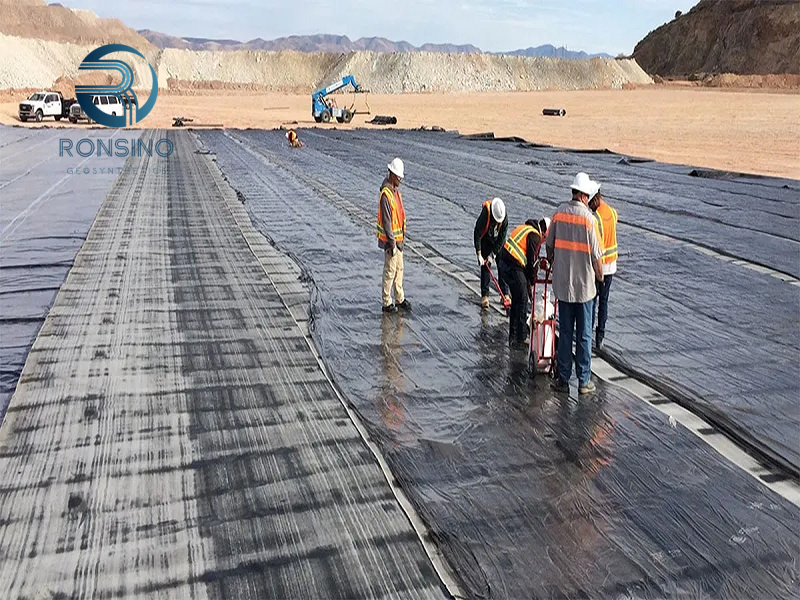
6. Procurement and Shipping Suggestions for Buyers
If you are sourcing HDPE geomembrane sheets internationally, consider the following suggestions to optimize cost and efficiency:
Confirm Technical Specifications Early
Clarify thickness, color, surface type, and standard (ASTM, GRI GM13, ISO) before quotation.
Order in Full Container Loads
Helps you save on sea freight and packaging costs.
Choose Reliable Exporters
Look for companies with export licenses, CE certificates, and quality management systems.
Ask for Free Samples
Evaluate physical properties and weldability before mass purchase.
Inspect Before Shipment
Request factory inspection reports or third-party inspection (e.g., SGS, BV).
Check Packaging
Each roll should be wrapped with black woven fabric or plastic film to protect against UV and moisture during transport.
7. Why Choose RONSINO as Your HDPE Geomembrane Supplier
RONSINO is a professional geosynthetics manufacturer and exporter located in China, specializing in HDPE, LLDPE, and textured geomembrane sheets.
With years of experience serving clients in Asia, Africa, Latin America, and the Middle East, we are confident to provide cost-effective and high-quality solutions.
Our Advantages
ISO9001 & ISO14001 certified factory.
Raw material from Sinopec or Sabic (100% virgin HDPE).
Advanced co-extrusion production lines.
Customized roll size and OEM packaging available.
Prompt delivery and strong export support.
Typical Project Cases
1.5mm HDPE liner for landfill in Saudi Arabia (100,000 m²).
1.0mm smooth geomembrane for aquaculture in Thailand.
2.0mm textured geomembrane for mining tailings in Peru.
8. Conclusion
The HDPE geomembrane sheet price depends on various technical and market factors such as thickness, resin cost, surface texture, and logistics.
In 2025, the general global price range lies between USD 0.7–5.0 per square meter, depending on specifications.
In the process of selecting a geomembrane provider, purchasers must prioritize beyond just the minimal per-unit expense, instead thoroughly assessing the material's superiority, installation efficacy, and enduring dependability. A superior-grade HDPE geomembrane crafted by an established producer such as RONSINO guarantees enhanced impermeability, extended service life, and diminished upkeep expenditures — ultimately providing substantial return on your capital outlay.