What is the Durability of Geotextile Fabric?
Blog · 2025-12-11 · 0 views
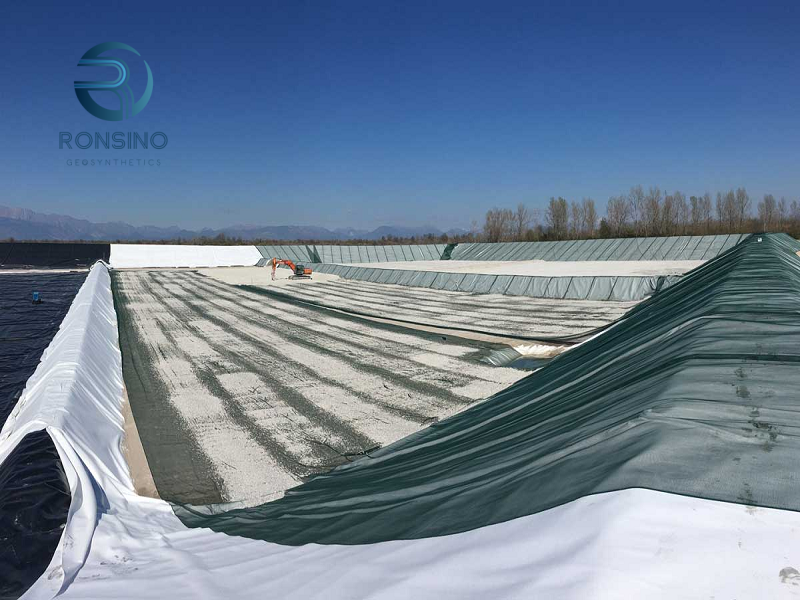
Geosynthetic materials have become a cornerstone of contemporary infrastructure development, offering essential services including soil stratification, liquid passage, structural support, and water management across diverse projects from pathway creation to land stabilization. With the growing dependence of project leaders, design professionals, and construction teams on these engineered textiles, a pivotal consideration emerges: How long-lasting are these geotextile products?
This detailed examination delves into the critical determinants that dictate the longevity of geotextiles, drawing upon empirical evidence from the sector, documented standards, and hands-on expertise. Gaining a clear grasp of the projected service life of geotextiles and the methodologies to extend it enables stakeholders to implement economical, ecologically sound, and enduring methodologies for their respective initiatives.
1.Testing and Standards for Geotextile Durability
Industry standards and testing ensure geotextiles meet durability requirements. Key tests include:
ASTM D4632: Grab tensile strength test, measuring 5–200 kN/m depending on the geotextile type.
ASTM D4355: UV resistance test, requiring 70% strength retention after 500 hours.
ISO 13431: Cre offsetof: The creep behavior test, critical for 100-year design life, assesses long-term deformation under load.
EN 14575: Oxidation resistance test, predicting 80–100-year lifespans in neutral soils.
These tests provide data on tensile strength, elongation, permeability, and resistance to environmental stressors, enabling engineers to predict geotextile performance over decades.
2.Challenges and Limitations
Despite their durability, geotextiles face challenges that can shorten their lifespan:
UV Degradation: Exposed geotextiles without stabilizers can lose 50% strength within 1–2 years.
Installation Damage: Punctures or tears during construction can reduce lifespan by 10–20%.
Chemical Degradation: PET geotextiles in alkaline soils (pH > 10) may degrade within 10–15 years due to hydrolysis.
Biological Activity: Roots or microbes can degrade natural geotextiles like jute within 2–5 years without treatments.
Mitigating these challenges through proper material selection, installation, and maintenance is essential for achieving the maximum lifespan.
3.A Brief Overview of Geotextile:
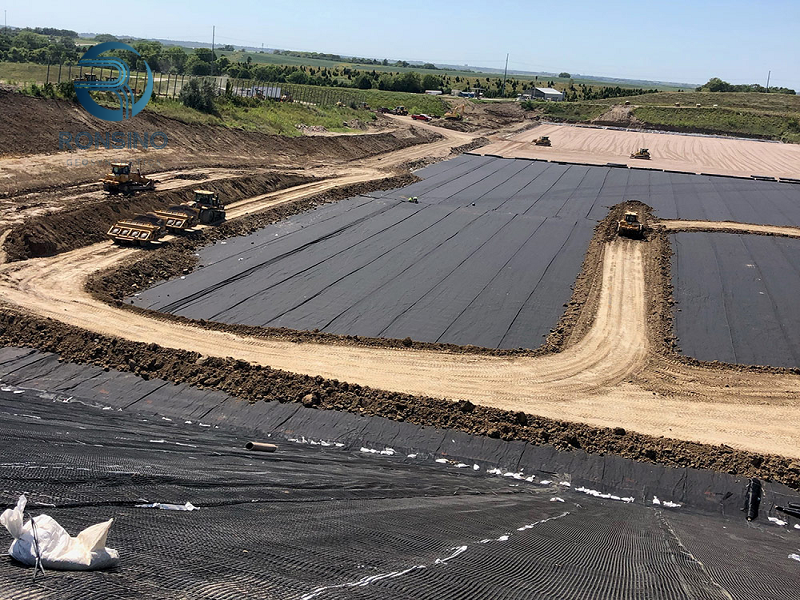
Geotextiles are highly permeable textile structures made from advanced polymers like PP, PET, and HDPE. Engineered to enhance soil integrity, regulate water movement, and protect critical assets, they are a specialized geosynthetic material alongside geomembranes and geogrids. Their adaptability makes them vital for applications such as pavement reinforcement, waste containment, and shoreline preservation.
Types of Geotextiles
Geotextiles are categorized based on their manufacturing method and material composition, each with distinct properties affecting their lifespan:
Woven Geotextiles: Crafted through the interlacing of polypropylene (PP) or polyester (PET) yarns, these textiles exhibit exceptional tensile resistance, ranging from 20 to 200 kN/m, making them ideal for structural reinforcement and soil separation applications. Engineered for longevity, they boast remarkable durability yet exhibit limited permeability, with an operational lifespan typically extending between 15 to 50 years under optimal conditions.
Non-Woven Geotextiles: Produced by needle-punching or thermal bonding, these fabrics are highly permeable, ideal for filtration and drainage, with tensile strengths of 5–50 kN/m and lifespans of 10–25 years.
Composite Geotextiles: Combining woven and non-woven properties, these offer enhanced filtration and reinforcement, with lifespans of 15–30 years depending on conditions.
Natural Geotextiles (e.g., Jute, Coir): Biodegradable options like jute can last up to 20 years with treatments but are less durable than synthetic alternatives.
The global geotextile market, valued at $7.1 billion in 2023, is projected to reach $12.4 billion by 2030, driven by demand in infrastructure and environmental projects. This growth underscores the importance of understanding geotextile longevity to optimize project outcomes.
4.Factors Affecting Geotextile Life Expectancy
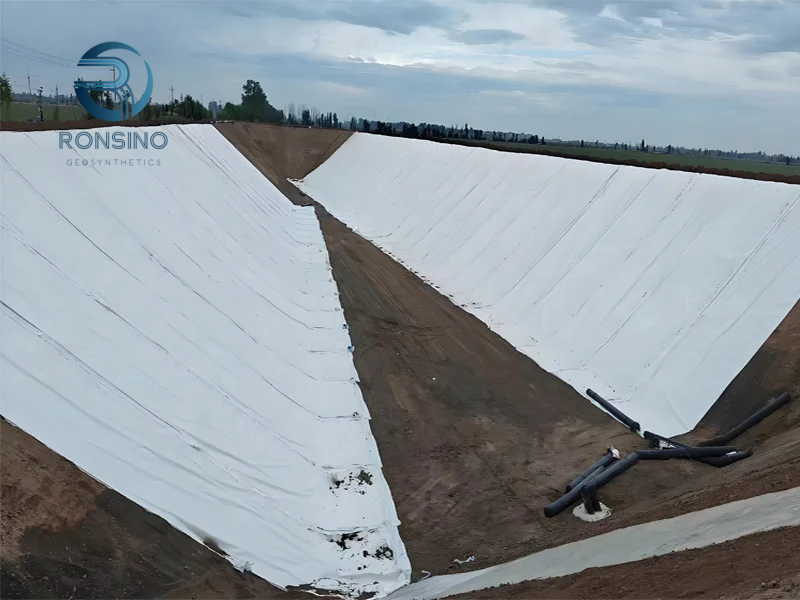
The service life of geotextiles exhibits significant variability, generally spanning from five to five decades, whereas premium-grade installations in subterranean environments may endure for up to two centuries under optimal circumstances. Numerous variables impact this longevity, demanding meticulous evaluation throughout the material selection process and project development phases.
4.1 Geotextile Life Expectancy – Material Quality
The quality of the raw materials and manufacturing process significantly impacts geotextile lifespan. High-quality geotextiles, made from virgin PP or PET with UV stabilizers and antioxidants, resist degradation better than lower-grade alternatives. For example, PP geotextiles with additives can maintain 70% tensile strength after 500 hours of UV exposure, per ASTM D4355.
Polymer Type: PP is highly resistant to chemical degradation, while PET is susceptible to hydrolysis in alkaline soils. HDPE geotextiles offer superior puncture resistance but are less common.
Additives: Antioxidants and UV stabilizers extend lifespan by preventing oxidation and photodegradation. For instance, PP geotextiles with carbon black can last up to 120 years in buried applications.
4.2 Geotextile Life Expectancy – Environmental Conditions
Environmental factors such as UV radiation, temperature, chemical exposure, and moisture play a critical role in geotextile degradation.
UV Exposure: Geotextiles exposed to sunlight degrade faster due to photodegradation. Without UV stabilizers, PP geotextiles may lose 50% strength within 1–2 years of exposure. Buried geotextiles, shielded from UV, can last 50–200 years.
Temperature: High temperatures (>100°C) accelerate chemical degradation, while low temperatures (<-20°C) may cause brittleness in PET geotextiles. PP geotextiles perform well in temperatures from -60°C to +80°C.
Chemical Environment: Acidic or alkaline soils, landfill leachates, and industrial chemicals can degrade geotextiles. PP is resistant to most chemicals, while PET is vulnerable to pH > 10.
Moisture and Biological Activity: Prolonged moisture exposure can promote hydrolysis in PET geotextiles, while biological activity (e.g., roots, microbes) may degrade natural geotextiles like jute.
4.3 Geotextile Life Expectancy – Installation Quality
Proper installation is critical to maximizing geotextile lifespan. Poor practices, such as inadequate overlaps or improper anchoring, can lead to tears, punctures, or stress concentrations, reducing durability by 10–20%.
Subgrade Preparation: A smooth, debris-free subgrade prevents punctures. ASTM D5818 recommends removing sharp objects and compacting the subgrade to minimize stress.
Seaming and Overlaps: Overlaps of 300–600 mm and proper seaming (e.g., sewing for woven geotextiles) ensure structural integrity. Poor seaming can reduce lifespan by up to 15%.
Covering: Burying geotextiles 300–500 mm below the surface shields them from UV and mechanical damage, extending lifespan to 50–120 years.
4.4 Geotextile Life Expectancy – Maintenance and Usage
Proper upkeep and correct application can substantially prolong the durability of geotextiles. Scheduled examinations for rips, wear, or blockages (within filtering systems) help avoid unexpected deterioration. As an illustration, repairing surface deterioration in installations subjected to the elements can increase service duration by fifteen percent.
Inspection Schedules: ISO 13437 recommends retrieving samples post-installation, after 10 years, and every 20 years thereafter to assess residual performance.
Repairs: Promptly repairing tears with patches or replacing damaged sections can maintain functionality.
Load Conditions: Avoiding excessive mechanical stress (e.g., heavy traffic on road stabilization fabrics) preserves tensile strength.
4.5 Geotextile Life Expectancy – Application Type
The intended application influences geotextile lifespan. Buried applications, such as road stabilization, typically offer longer lifespans (20–50 years) due to protection, while exposed applications, like erosion control mats, may last 5–20 years.
Road and Railway Engineering: Woven geotextiles used for base stabilization can last 30–50 years in neutral soils.
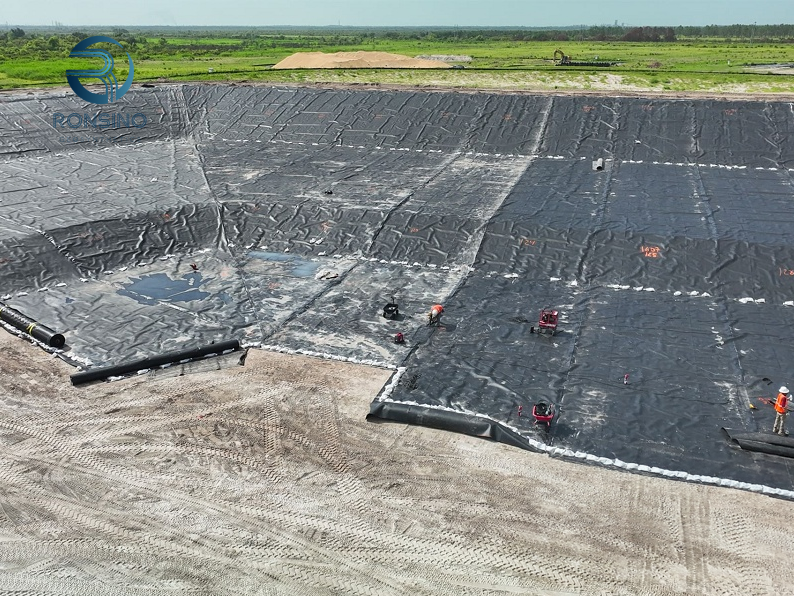
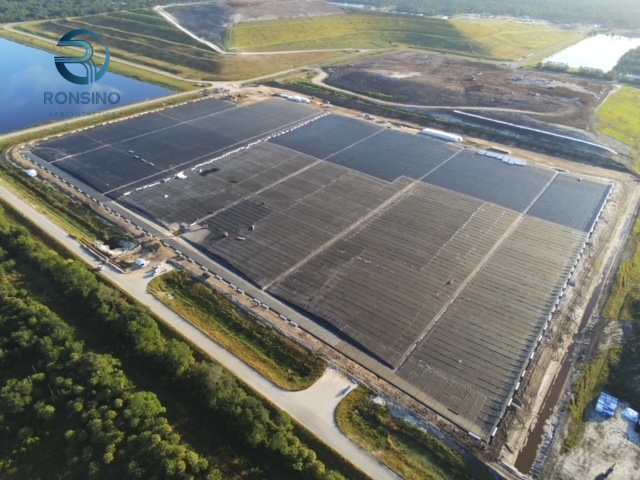
Landfills: Non-woven geotextiles in landfill drainage systems can last 50–200 years when shielded from UV and chemicals.
Erosion Control: Natural geotextiles (e.g., coir) degrade within 2–20 years, while synthetic options last 10–30 years.
5.Typical Lifespan of Geotextiles
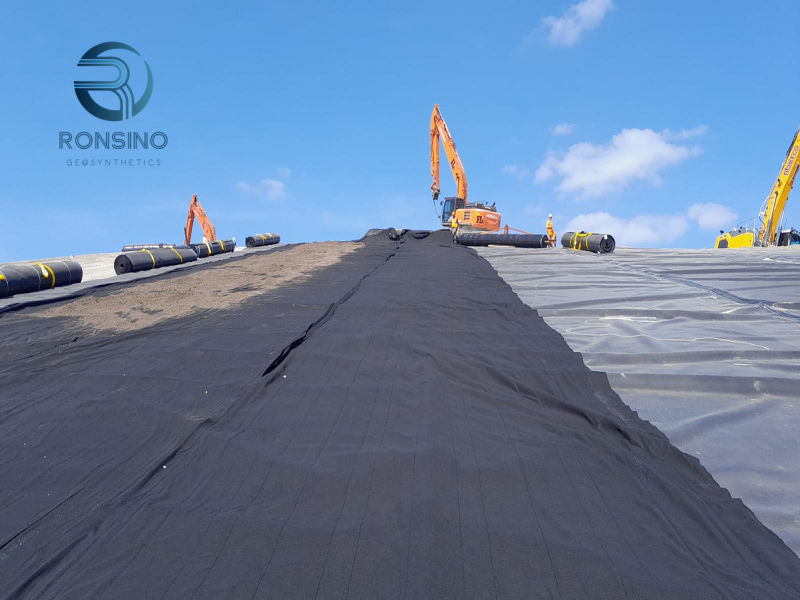
Under ideal conditions—high-quality materials, buried applications, neutral soils, and proper installation—geotextiles can achieve impressive lifespans.
System: estimated lifespans based on type and conditions:
Woven Geotextiles: 15–50 years, with PP-based fabrics lasting up to 120 years in buried conditions.
Non-Woven Geotextiles: 10–25 years, with heavy-duty versions lasting up to 50 years in buried applications.
Composite Geotextiles: 15–30 years, combining woven and non-woven properties for enhanced durability.
Natural Geotextiles (Jute, Coir): 2–20 years, depending on treatments and environmental exposure.
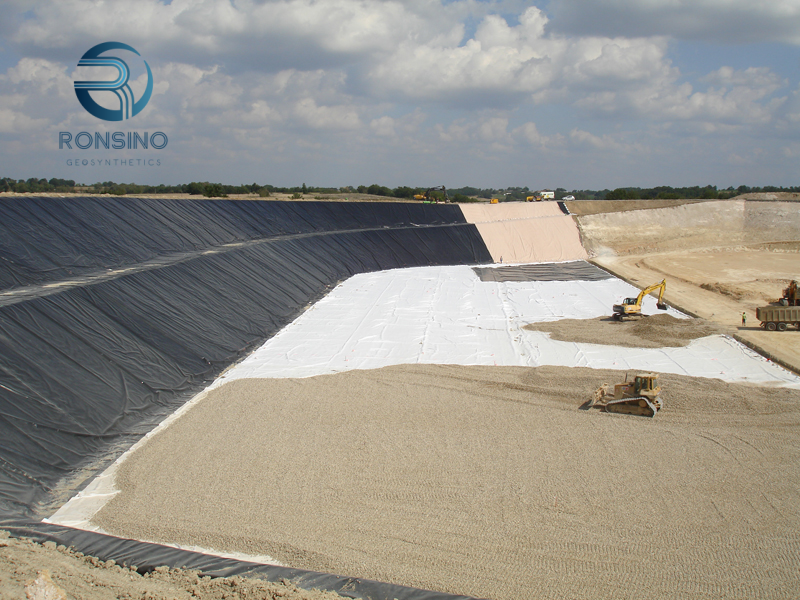
PP nonwoven materials have good stability in buried anaerobic environments and have a service life of up to 200 years. Research and actual data have confirmed that it still maintains 80% tensile strength after being buried in neutral soil for 50 years; however, if exposed to ultraviolet light for a long time, its deterioration process may only take 5 to 10 years.
6.How to Maximize Geotextile Life Expectancy
Maximizing geotextile durability requires careful planning, high-quality materials, and adherence to best practices. Below are actionable strategies to ensure long-term performance.
6.1 Geotextile Life Expectancy – Choose High-Quality Materials
Select geotextiles that meet industry standards, such as ASTM D4632 (grab tensile strength) or AASHTO M288 (transportation applications). Opt for materials with UV stabilizers and antioxidants for exposed applications, and ensure chemical compatibility with site conditions (e.g., PP for acidic soils, PET for neutral soils).
6.2 Geotextile Life Expectancy – Optimize Installation Practices
Subgrade Preparation: Remove rocks, roots, and debris to prevent punctures. Compact the subgrade to a California Bearing Ratio (CBR) of at least 8 for optimal stability.
Proper Overlaps: Use 300–600 mm overlaps and follow manufacturer seaming guidelines to ensure integrity.
Anchoring: Secure geotextiles with stakes or weights to prevent movement during backfilling.
6.3 Geotextile Life Expectancy – Protect from Environmental Stressors
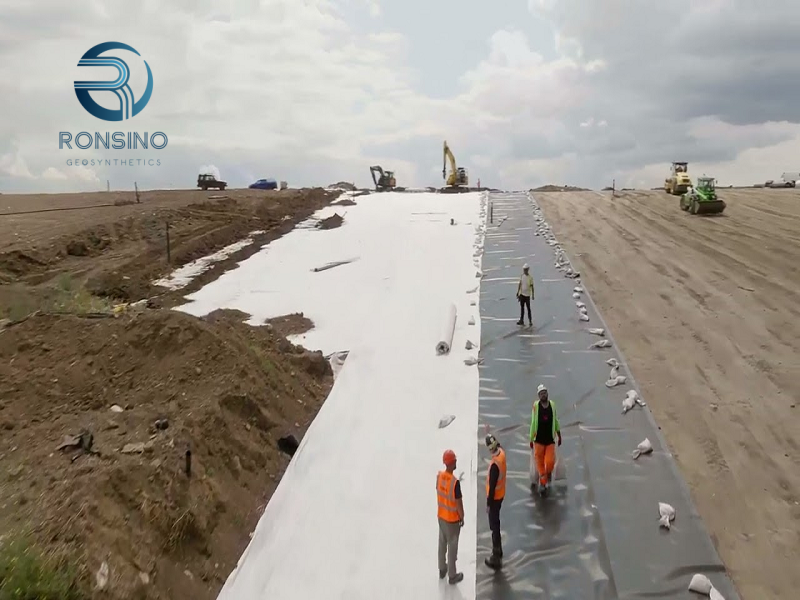
UV Protection: Cover geotextiles with 300–500 mm of soil, gravel, or vegetation to shield them from sunlight, extending lifespan by 15–25%.
Chemical Resistance: Choose PP geotextiles for chemically aggressive environments, as they resist acids, alkalis, and hydrocarbons.
Drainage Systems: Incorporate drainage to minimize moisture exposure, particularly for PET geotextiles, which are prone to hydrolysis.
6.4 Geotextile Life Expectancy – Regular Maintenance and Inspections
Conduct regular inspections per ISO 13437 guidelines to identify and repair damage early. For example, patching tears in woven geotextiles can extend their functional life by 10–15%. In drainage applications, monitor for clogging to maintain hydraulic performance.
6.5 Geotextile Life Expectancy – Case Studies
Road Stabilization: A 315 woven PP geotextile used in a highway project in Texas lasted over 30 years with minimal degradation, thanks to proper burial and high-quality materials.
Landfill Drainage: Non-woven PP geotextiles in a European landfill retained 90% of their tensile strength after 40 years, protected by a GCL and neutral soil conditions.
Erosion Control: Coir geotextiles in a coastal protection project in India lasted 15 years with chemical treatments, outperforming untreated jute.
7.Choosing the Right Geotextile for Longevity
Selecting the appropriate geotextile involves balancing project requirements, environmental conditions, and budget. Below are key considerations:
Application-Specific Needs: Woven geotextiles are ideal for reinforcement (e.g., roads), while non-woven are suited for drainage and filtration.
Environmental Compatibility: Use PP geotextiles in chemically aggressive environments and PET in neutral soils.
Cost vs. Lifespan: High-quality geotextiles with longer lifespans (e.g., 50 years) may have higher upfront costs but lower total ownership costs.
Regulatory Compliance: Ensure compliance with standards like AASHTO M288 for transportation projects or ASTM D7176 for filtration applications.
8.Final Thoughts
The service life of geosynthetics varies greatly, ranging from 5 to 200 years, depending on factors such as material composition, environmental conditions, installation specifications and specific application requirements. High-quality polypropylene (PP) or polyester (PET)-based geosynthetics, when properly installed and effectively protected from UV and chemical degradation, have significant durability and can be used for a long time. Under optimal conditions, in-ground nonwoven polypropylene geosynthetics have a practical life of up to two hundred years. Therefore, through proper material selection, strict compliance with industry standards, and ensuring proper installation and maintenance, engineers can significantly improve the durability of geosynthetics, resulting in an economical and environmentally friendly solution.
For personalized advice, contact reputable suppliers like RONSINO Geotextile, who offer technical support and high-quality products. With over 20 years of experience, these manufacturers can help you select geotextiles that meet your project’s longevity and performance requirements.