What is a Drainage Board Used for?
Blog · 2026-01-15 · 0 views
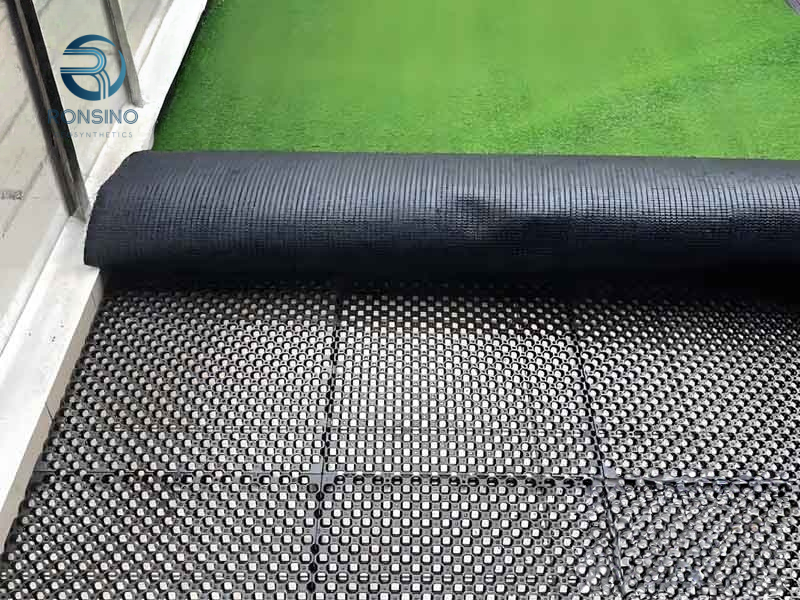
A drainage board is a specialized construction component engineered to regulate water movement in building and infrastructure projects. Typically fabricated from durable polymers such as HDPE or PVC, these panels feature textured surfaces with protrusions or channels that enhance liquid dispersion. Many models incorporate permeable geotextile membranes as integrated filtration layers to prevent soil particle migration while maintaining optimal drainage performance.
1. What is Drainage Board?
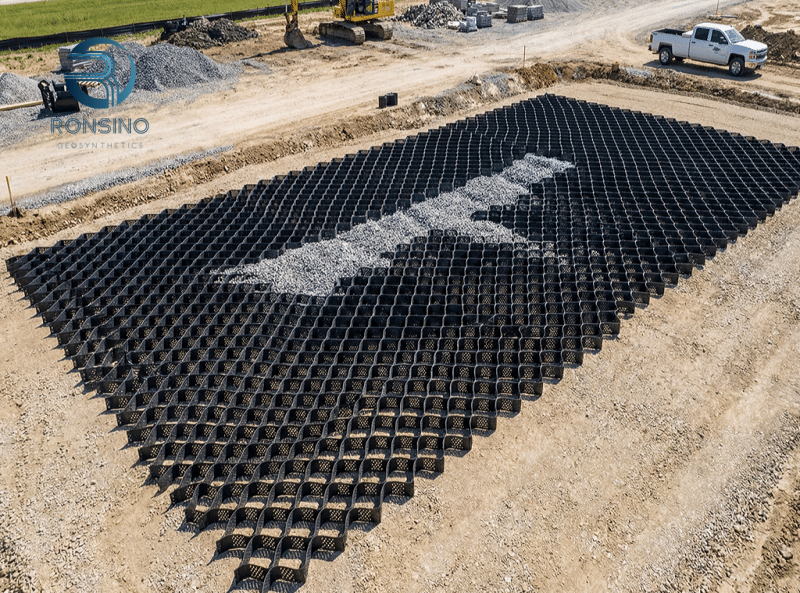
RONSINO's drainage boards are high-performance geosynthetic materials made from PP or recycled HDPE, some with nonwoven geotextile coatings. They efficiently manage water in high-traffic areas (walkways, roads, green roofs) and vertical structures (retaining walls, foundations). The product line includes drainage nets, cells, sheets, HDPE grass pavers, and customized solutions for diverse engineering needs.
2.What Characteristics of Drainage Board?
2.1 Drainage Board High Drainage Capacity
Drainage boards are known for their excellent drainage properties. In a highway construction project in a high groundwater level area, traditional drainage methods were unable to effectively drain water from the roadbed, resulting in soil softening and reduced bearing capacity. The situation improved significantly with the use of specialized drain plates with precision flow channel designs. The drainage per linear meter of this project exceeds 30 liters/minute under standard working conditions, effectively keeping the roadbed dry, improving structural stability and durability, significantly reducing life-cycle maintenance costs, and ensuring road performance.
2.2 Drainage Board Excellent Compression Resistance
The drainage system must withstand soil and structural loads without losing deformation resistance or drainage capacity. In a high-rise foundation project, specialized polypropylene drainage panels were installed between soil layers to optimize water discharge. These panels endured heavy vertical loads from both the earth and building weight. Engineered with reinforced structures, the panels sustained 250 kPa compression with minimal deformation, preserving unobstructed flow channels for consistent hydraulic performance. They maintained dimensional stability and conductivity under prolonged loads, ensuring proper foundation settlement throughout the building's lifecycle.
2.3 Drainage Board Chemical Resistance
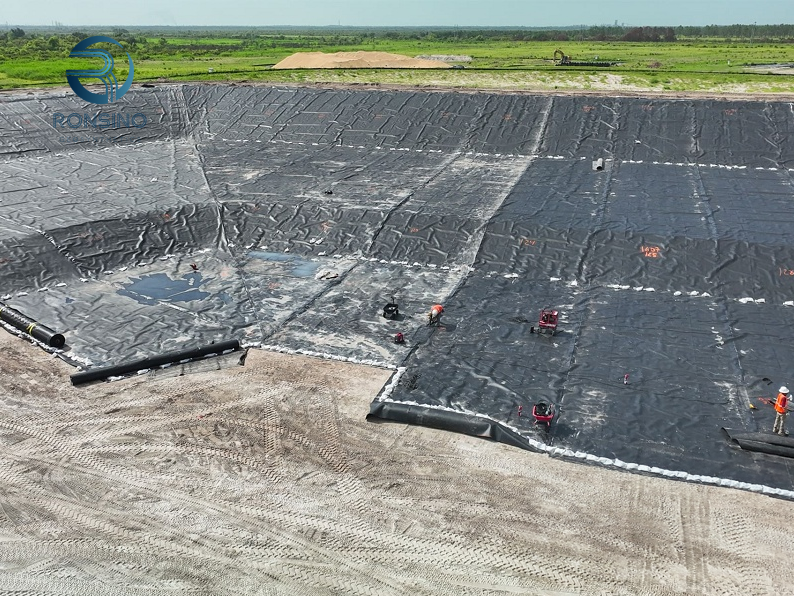
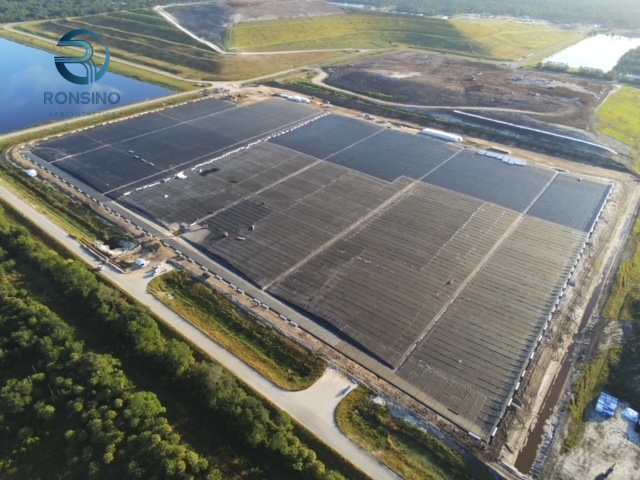
In landfill projects, geocomposite drainage layers face diverse chemicals from waste breakdown. For instance, disposal facilities produce liquids containing acids, alkalis, and organic byproducts. The drainage panels, made of high-density polyethylene, showed no deterioration despite prolonged exposure, maintaining clear fluid pathways. This corrosion resistance is crucial, as compromised integrity could cause liquid buildup, increasing contamination risks. The sustained performance ensures proper leachate management and prevents groundwater pollution.
2.4 Drainage Board Lightweight and Easy Installation
Drainage panels are extremely lightweight, significantly reducing transportation and installation costs. In a coastal reclamation project, its lightweight properties significantly saved logistics costs, and its simple design reduced installation time and manpower requirements.This innovative panel can be laid quickly through buckles or adhesive tapes. In the above-mentioned project, it can cover 1,000 square meters per day, far exceeding the traditional drainage solution. Its high efficiency not only shortens the construction period but also saves costs.The modular design does not require professional equipment or technical personnel, and is especially suitable for large projects with tight construction schedules. Construction workers reported that it can flexibly adapt to terrain changes, while traditional systems come with high delays.
2.5 Long Service Life
Drainage panels ensure long-term durability, cost efficiency, and performance in infrastructure, such as railway subgrades, with a designed lifespan exceeding 50 years. Constructed with UV-stabilized and anti-aging materials, they maintained full drainage efficiency and structural integrity after 20 years of use. Their extended service life reduces replacement needs, cutting rail network disruptions and long-term maintenance costs.
2.6 Versatility in Application
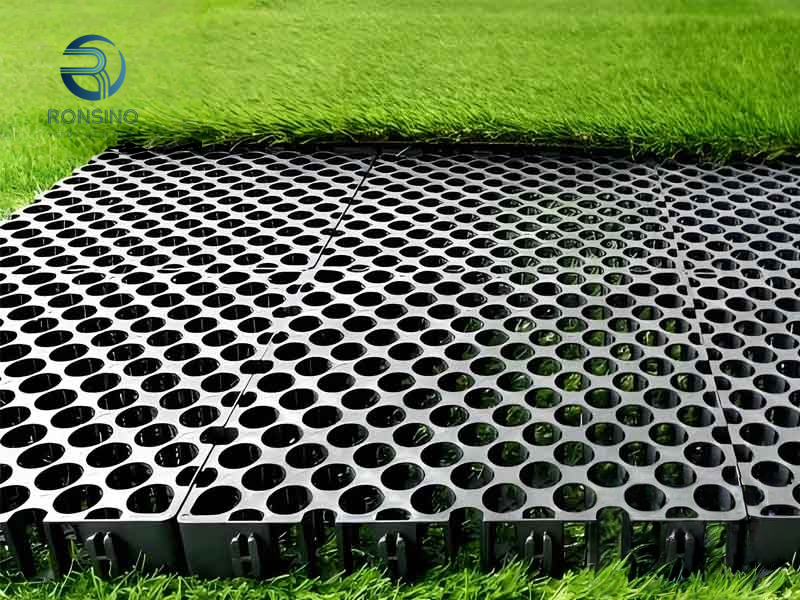
Drainage boards are versatile components used in various construction projects, including athletic facilities like football stadiums, where they ensure quick water runoff. Manufacturers customize them by adjusting depth, groove size, and material. Some combine geotextile layers for improved filtration and drainage, making them ideal for soil stabilization and infrastructure projects.
3.What Function of Drainage Board and Application?
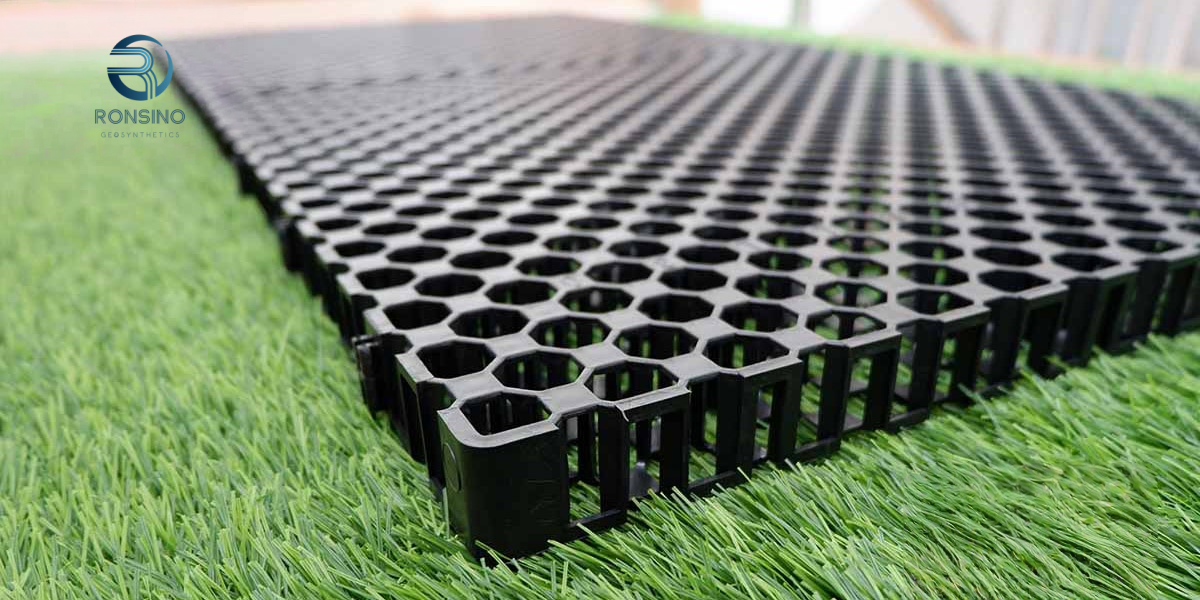
Drainage board is a geotechnical material used for water level control, waterproof layer protection and engineering reinforcement. Its structure can effectively drain water, reduce hydrostatic pressure and improve building durability.It also has waterproof and greening functions, supporting the growth of plant roots. Made of high-density polyethylene or polypropylene material with strong pressure resistance.Suitable for construction projects to meet waterproofing, drainage and structural protection needs. Proper selection can optimize moisture management.
3.1 Drainage Board for Water Drainage
Effective drainage panels efficiently divert moisture from building bases, underground spaces, and various architectural elements, preventing excessive water buildup and saturated soil conditions. These specialized panels feature a textured surface design with raised protrusions that establish continuous ventilation channels, facilitating rapid liquid movement while significantly minimizing structural pressure from groundwater. This innovative engineering solution substantially improves waterproofing durability over extended periods of use.
3.2 Drainage Board for Soil Consolidation
In tender floor engineering—especially at some stage in the development of embankments or roads—drainage boards (such as vertical prefabricated drains) are used to speed up the consolidation of smooth soil. They do this through presenting pathways for pore water to escape, thereby decreasing extra pore water strain and dashing up ground settlement, enhancing the standard bearing capability and balance of the soil.
3.3 Drainage Board for Protection Function
Drainage panels are a key component of green roofs, preventing backfill or roots from damaging the waterproofing membrane. Its precision structure suppresses weeds and microorganisms, reduces nutrient exchange between soil and drainage layers, and reduces maintenance requirements and costs.The design balances moisture management and protection, separating the growing medium from the waterproofing layer to extend system life and encourage plant growth.It effectively solves the two major problems of waterproofing and inhibiting biological invasion, reducing maintenance and environmental burden.
Key Applications of Drainage Boards
- Green Roofs for Garages and Planted Structures: Drainage panels serve a vital function in garage-top vegetation systems and landscaped rooftops by offering dual benefits of efficient water drainage and root barrier protection. These components promote robust plant growth while maintaining optimal moisture control within the green roof assembly.
- Constructing Foundations and Subterranean Infrastructure: Drainage panels are extensively employed in foundational walls, basement constructions, and below-ground facilities such as metro systems and passageways. These components safeguard waterproof membranes by preventing moisture infiltration while enhancing structural durability.
-Slope Protection & Foundation Engineering:In both urban roadways and railway infrastructure, geocomposite drainage panels are strategically installed along embankment slopes to manage groundwater flow and mitigate soil erosion. This technique enhances structural integrity by stabilizing the foundation, thereby prolonging the operational lifespan of transportation networks.
4. Why Choose RONSINO Drainage Board Products?
RONSINO, a 20-year geosynthetic expert, is a global leader in advanced drainage systems. Our durable, recycled HDPE and polypropylene solutions excel in extreme conditions while optimizing water management.Rigorous testing ensures our products meet international standards, guaranteeing reliability for infrastructure projects worldwide.We prioritize sustainability, using eco-friendly materials and energy-efficient processes to deliver high-performance, low-impact solutions for construction and civil engineering.
RONSINO drainage boards are no longer limited to the application of green roofs, tunnels, basements and building foundations, but have gradually expanded to diverse fields such as landfills, sports venues and coastal engineering. Relying on the ISO9001, ISO14001 and ISO45001 international certification systems, and supported by authoritative test reports from SGS, Intertek, SONCAP, SAAO and BV, RONSINO ensures that every link from raw material procurement to finished product delivery meets the highest quality standards, safety requirements and environmental protection regulations.
Our professional R&D team and technical help workforce are dedicated to non-stop innovation and patron satisfaction. Whether your mission requires trendy configurations or custom-made composite drainage systems, RONSINO supplies durable, cost-effective, and easy-to-install solutions.
Join RONSINO Geosynthetic — your dependable companion in geosynthetics. Let’s construct a greater sustainable future together.
Drainage panels exhibit a range of distinctive and valuable attributes. Their superior water discharge efficiency, exceptional durability against compression, resistance to chemical degradation, minimal weight, and straightforward installation process, extended operational longevity, and adaptability render them indispensable in modern architectural and civil engineering projects. With the escalating need for eco-conscious and resource-efficient engineering methodologies, the relevance and impact of drainage panels are poised to expand progressively in the future.