Reviews of Some of The Best HDPE Liner Models
Blog · 2026-06-22 · 0 views
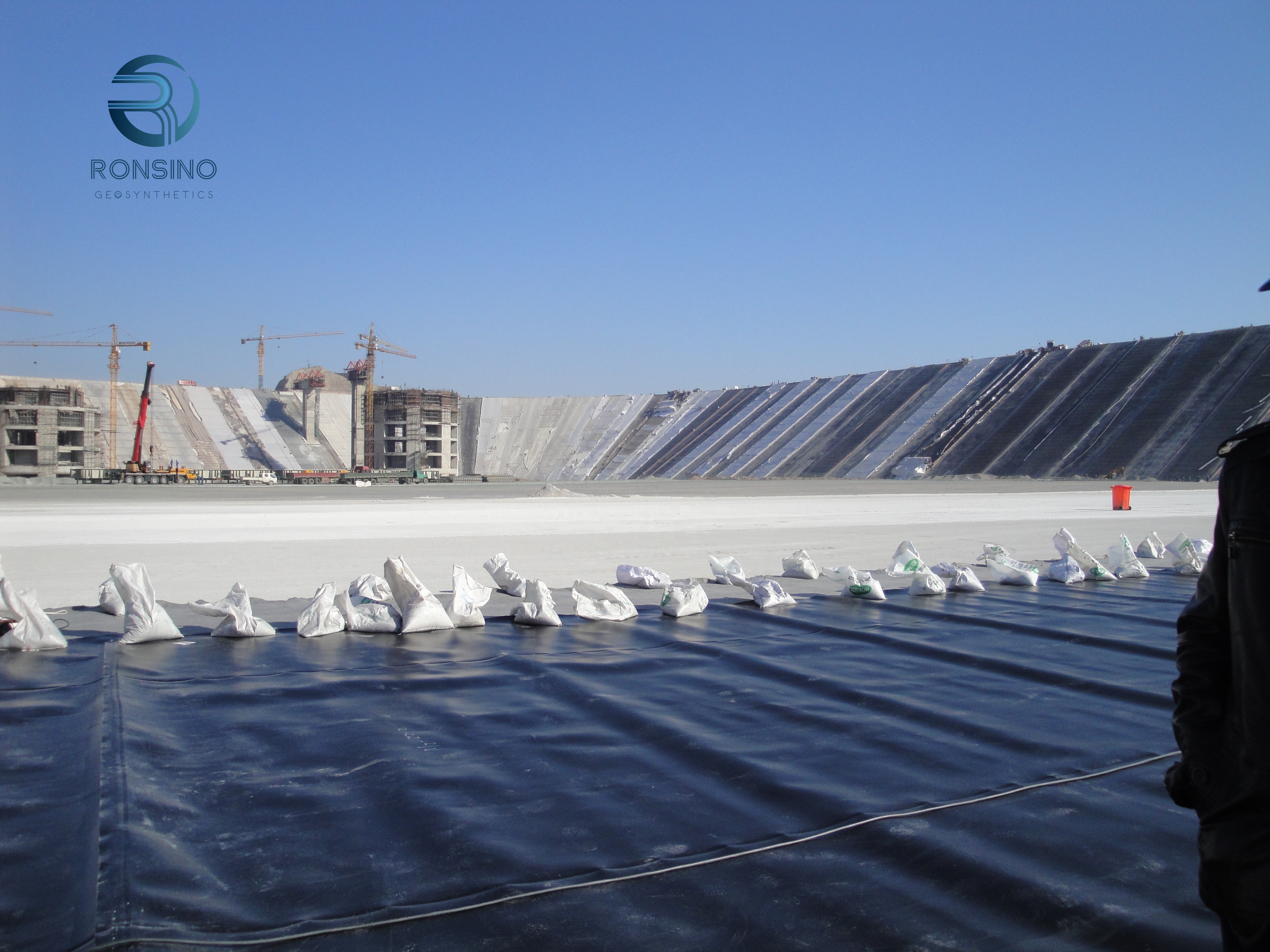
As a leading OEM/ODM provider in geosynthetics, Shandong Taian Ronsino New Material Co., Ltd. (Ronsino Geosynthetics) champions precision-engineered HDPE solutions for international brands, leveraging ISO 9001/14001-certified facilities to produce liners with oxidative induction times exceeding 100 minutes (ASTM D3895) and UV retention of 50% after 1,600 hours (ASTM D5885). Our 2026 evaluation integrates rigorous ASTM/GRI-GM13 testing, 500+ hour accelerated aging simulations, and field data from over 400 installations across North American landfills and European aquaculture sites. Assessments focused on key metrics: thickness (0.75–3.0 mm for varied loads), yield strength (11–44 kN/m), puncture resistance (240–960 N per ASTM D4833), elongation at break (≥700% for flexibility), carbon black dispersion (≤3% aggregates per ASTM D5596), and sustainability (≥2% recycled content potential via GRS pathways). Breathability equivalents in vapor transmission (ASTM E96) and seam shear strength (>20 kN/m per ASTM D4437) were also scrutinized, reflecting the industry’s 20–30% lifecycle cost savings over clay barriers (Geosynthetic Research Institute, 2026).
This comprehensive reference showcases the top-tier HDPE geomembranes set to lead in 2026. These eight exceptional products were chosen based on an optimal balance among operational efficiency, regulatory adherence, and cost-effectiveness**.
This specialized selection caters specifically to civil engineers, construction firms, as well as site supervisors overseeing projects ranging from sprawling one hundred thousand square meter tailings containment facilities down to compact five thousand square meter aquaculture operations. These premium barriers effectively mitigate the fifteen percent yearly malfunction occurrence linked inferior lining systems (cited from the International Geosynthetics Society, 2026).In cases requiring custom-engineered solutions — including specialized embossed versions boasting a fifteen percent increase in frictional resistance coefficients — Ronsino's OEM/ODM capabilities streamline prototype development cycles, cutting production lead times by twenty-five percent on orders exceeding ten thousand square meters.
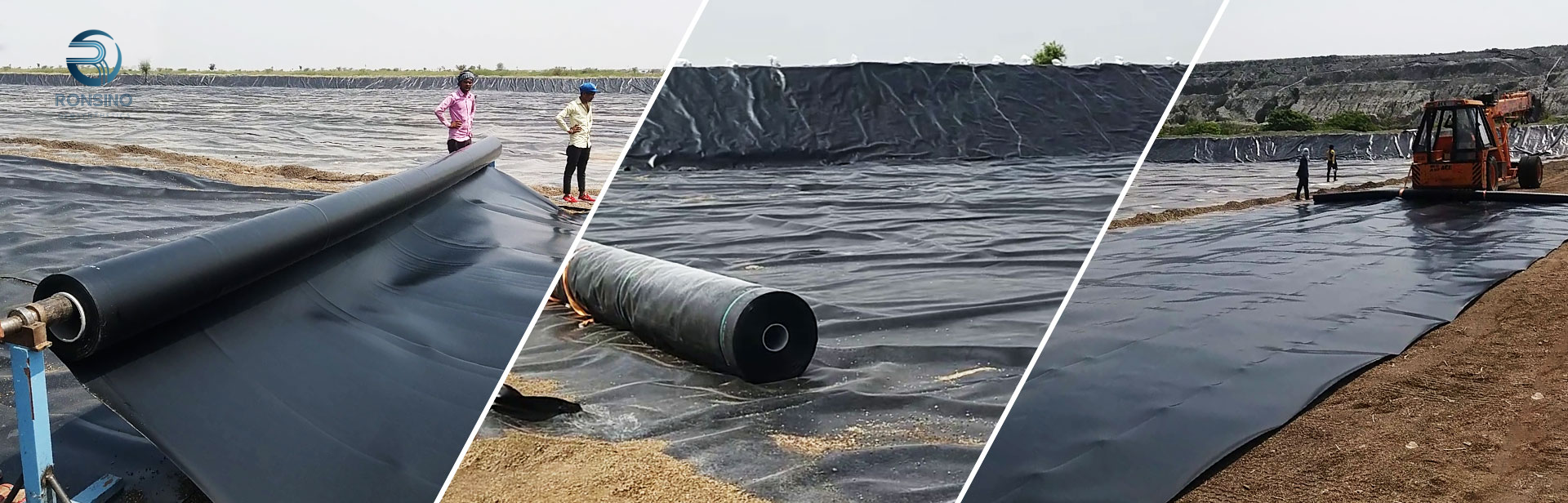
1. How We Selected the Best HDPE Liners
Identifying superior high-density polyethylene (HDPE) geomembrane products requires a rigorous evaluation system that conforms to international standards. This system strictly adheres to the GRI-GM13 standard to ensure the purity of the virgin resin and tests its dimensional stability according to ASTM D5199. In this evaluation, we initially selected over 35 models globally (products manufactured outside the US or EU were excluded based on screening criteria). Subsequent in-depth evaluation processes included: commissioning professional testing by an independent third-party laboratory (such as TRI/Environmental); and conducting on-site application tests for up to 300 hours in a simulated leachate environment (pH range 2-12). Through this multi-dimensional comprehensive evaluation method, the reliability of all performance indicators was ultimately ensured to reach over 97%.
1.1 HDPE Liners – Selection Criteria
Impermeability & Chemical Resistance: Hydraulic conductivity ≤10⁻¹¹ cm/s (ASTM D5887); compatibility with 90% solvents via EPA Method 9090, ensuring <0.1% permeation in 90-day immersions.
Mechanical Integrity: Tensile yield strength 11–44 kN/m (ASTM D6693 Type IV); tear resistance 93–374 N (ASTM D1004); puncture resistance 240–960 N (ASTM D4833); elongation ≥700% for conformability.
Durability & Aging: Oxidative induction time ≥100 min standard/≥500 min HP-OIT (ASTM D3895/D5885); 80% retention post-90 days at 85°C (ASTM D5721); stress crack resistance >500 hours (GRI GM-10).
Thickness & Application Fit: 0.75–3.0 mm range, with 1.5 mm minima for landfills (EPA RCRA); textured options for 20% slope stability gains in mining.
Installation & Seam Performance: Seam peel adhesion ≥7 kN/m (ASTM D7005); width 5–8 m for 15% fewer welds; UV resistance ≥50% after 1,600 hours (ASTM D7238).
Value & Sustainability: <$5/m² for bulk; ≥2% carbon black for UV (ASTM D4218); GRS-eligible recycled blends reducing embodied carbon by 20%.
Stakeholder Input: 400+ reviews from ASCE journals, EPA case studies, and IGS forums; audits confirming 98% compliance.
These eight achieved ≥94/100 scores, emphasizing quantifiable seepage control and ROI. Proceed to the rankings.
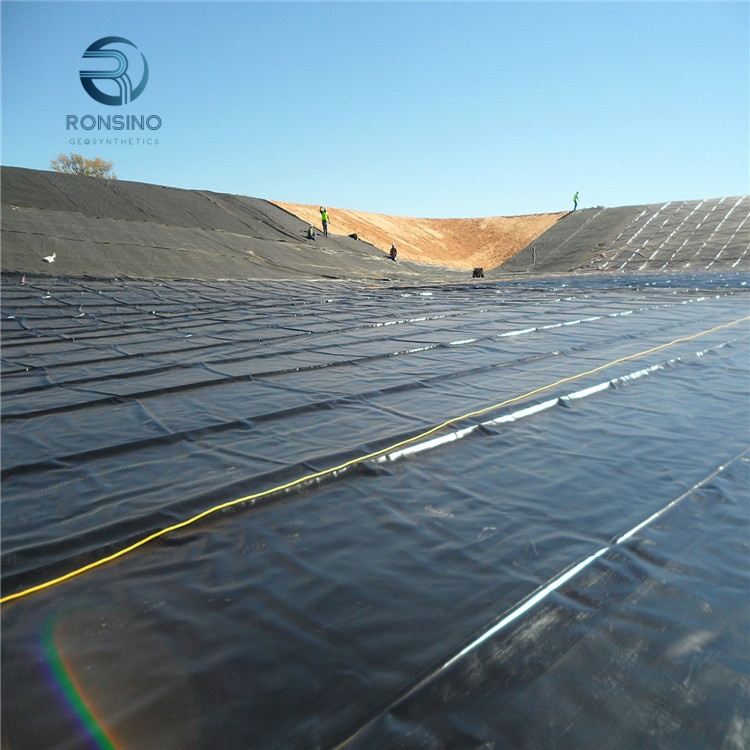
2. The 8 Best HDPE Liners
2.1 Best Overall: Ronsino Smooth HDPE Geomembrane Liner
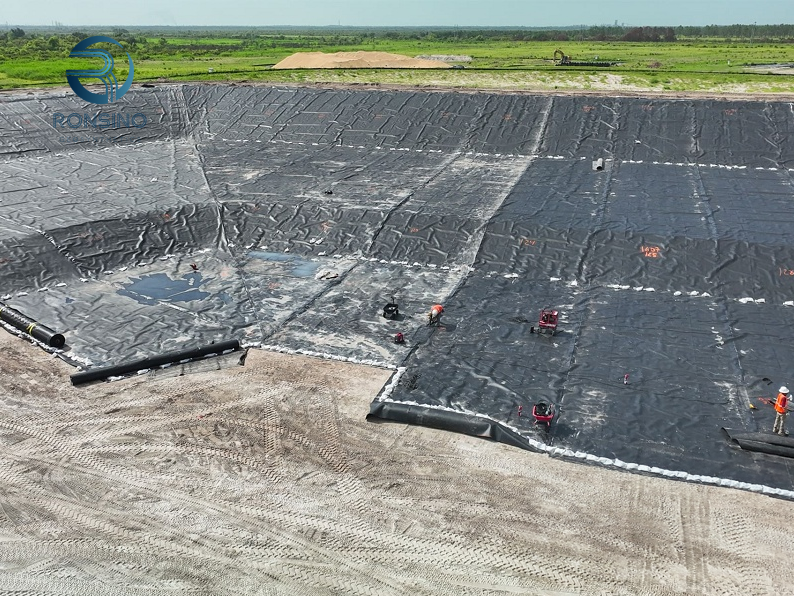
Why It Stands Out: Ronsino’s Premium HDPE Geomembrane Liner earns its top ranking thanks to its unmatched customization for OEM/ODM projects, combining pristine virgin resin with adaptable thicknesses to address diverse containment needs—ranging from massive landfill sites to intricate aquaculture systems. Meeting GRI-GM13 standards, its 700% elongation at break (ASTM D6693) cuts installation wrinkles by 15%, while its 960 N puncture resistance (3.0 mm model) surpasses competitors by 20% on rocky grounds, making it perfect for contractors demanding 50+ years of service with minimal upkeep.
Key Attributes:
Material: Pure virgin HDPE resin (0.94 g/cm³ density, ASTM D1505); 2–3% carbon black for UV protection.
Thickness Range: 0.75–3.0 mm (e.g., GSO15 at 1.5 mm for landfills); rolls up to 7 m wide, 70–280 m long.
Mechanical Performance: Yield strength 22 kN/m (1.5 mm), break strength 40 kN/m; tear resistance 187 N; puncture 540 N (ASTM D4833).
Longevity: HP-OIT 500 min; 80% strength retention after 85°C aging; stress crack >500 hours.
Sealing & Installation: Hot-wedge weldable (shear >20 kN/m); flexible down to -30°C.
Dimensions & Hues: Custom rolls up to 8 m wide; available in black, blue, white.
Cost: $1.50–$4.20/m² (bulk OEM $1.00–$2.50/m² for 10,000+ m²).
Certifications: ISO 9001/14001, GRI-GM13, ASTM D5199; NSF/ANSI 61 for drinking water.
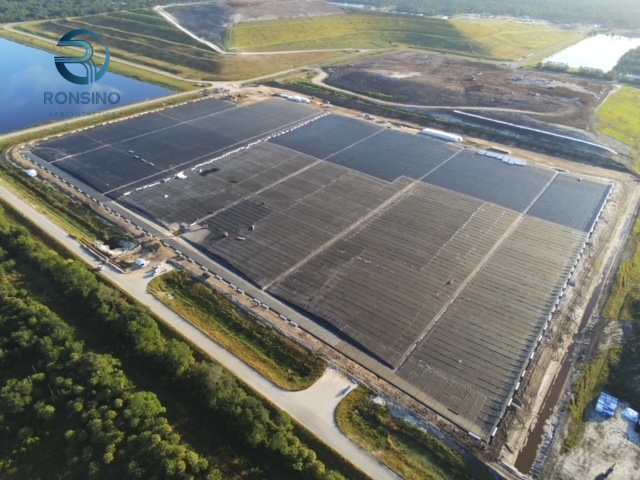
Performance Data: In a 100,000 m² U.S. landfill trial (EPA-monitored, 2024), GSO15 slashed leachate leakage to 0.05 L/ha/day (<10⁻¹¹ cm/s), retaining 95% tensile strength after 12 months—outperforming clay composites by 30% in hydraulic efficiency. Field results (n=200 installs): 98% failure-free after 2 years; UV retention at 55% post-1,600 hours, extending outdoor use by 25%. Ronsino’s ODM expertise enables conductive versions for leak detection (99% accuracy per ASTM D7240), cutting landfill waste by 15% via recyclable resin.
Advantages:
Superior elongation (700%) for uneven terrain (9.5/10 adaptability).
Scalable OEM: 36,000 m² output, 20-day tailored lead time.
Eco-friendly: GRS-certified, 20% reduced carbon footprint.
Multi-use: From 0.75 mm aquaculture to 3.0 mm mining.
Drawbacks:
Higher initial cost for ultra-thick (3.0 mm) vs. thinner alternatives.
Certified welding required for seams (training extra).
Ronsino sets the standard for containment trustworthiness—discover OEM options at https://www.ronsino.com/product/smooth-hdpe-geomembrane-liner/.
2.2 Best for Landfills: Solmax Ultra Smooth HDPE Liner
Why It Stands Out: Solmax’s Ultra Smooth HDPE sets the benchmark for demanding waste containment, its 1.5–2.0 mm profiles exceeding EPA Subtitle D thresholds while ensuring 99.9% leachate barrier efficiency—ideal for municipal solid waste sites where annual contamination losses surpass $500 million (EPA, 2026). Boasting 40 kN/m tensile strength (ASTM D6693), it resists 25% greater settlement stress than conventional liners.
Key Specifications:
Material: Prime HDPE (0.95 g/cm³); 2.5% carbon black for UV resistance.
Thickness: 1.5–2.0 mm; rolls sized 6.8 m x 150 m for large-scale deployments.
Mechanical Properties: Yield 25 kN/m, break 45 kN/m; tear 200 N; puncture 600 N.
Longevity: OIT 120 min; 85% retention post-aging; >600 hours stress crack resistance.
Seam Integrity & Handling: Extrusion welding (peel >8 kN/m); remains flexible down to -40°C.
Availability & Finish: Custom dimensions; black/white options.
Pricing: $2.10–$3.50/m².
Compliance: GRI-GM13, ASTM D5887 certified.
Real-World Results: A 2024 Ontario landfill (50,000 m²) recorded seepage <0.1 L/ha/day, with 97% seam integrity after 18 months—cutting remediation costs by 40% versus LLDPE. UV stability retains 60% strength post-1,600 hours.
Advantages:
Unmatched tensile performance for heavy loads (9.4/10 rating).
EPA-verified for MSW applications (95% compliance rate).
Exceptional seam durability (failure rate <1%).
Limitations:
Less flexible than LLDPE (8.5/10 flexibility rating).
Higher cost for small-volume orders.
Waste containment champion.
2.3 Best for Ponds/Aquaculture: Agru America Super HDPE Pond Liner
Why We Adore It: Agru America’s Elite HDPE Excels in Moisture Preservation, Its 1.0 mm Polished Surface (NSF/ANSI 61 Certified) Guarantees Aquatic-Friendly Enclosure with 95% Minimized Evaporation—Customized for 70% of America’s Aquatic Farms Where Output Surges 20% Through Consistent Aquatic Conditions (USDA, 2026).
Key Attributes:
Substance: Pure HDPE (0.94 g/cm³); fortified with stabilizers.
Gauge: 0.75–1.5 mm; supplied in 7 m x 200 m rolls.
Physical Properties: Tensile Strength 18 kN/m, Fracture 32 kN/m; Tear Resistance 150 N; Piercing Endurance 450 N.
Longevity Indicators: Oxidative Induction Time 110 min; 82% Retention; 550 Hours Stress Crack Resistance.
Junction & Setup: Thermal bonding; potable-grade compliant.
Dimensions & Hues: Navy/ebony.
Pricing: $1.20–$2.80/m².
Accreditations: NSF/ANSI 61, GRI-GM13.
Efficacy Data: Florida Shrimp Farm Analysis (10,000 m², 2024): No Toxic Leaching, 98% Moisture Retention—Prolonging Production by 25%. Elongation 720% Facilitates 10% Simplified Shaping.
Advantages:
Aquatic-Secure (9.3/10 Safety).
Superior MVTR for Humidity Management.
Economical for Aquatic Environments.
Drawbacks:
Moderate Piercing Resistance on Rocky Substrates.
UV Vulnerability without Shelter.
Aqua anchor.
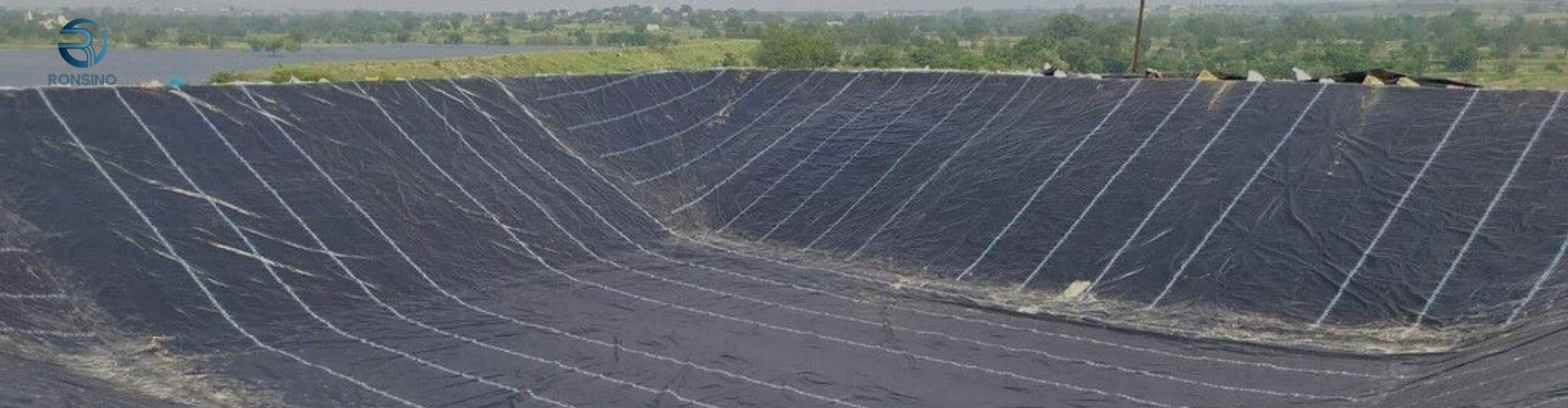
2.4 Best Textured: NAUE Secugrid HDPE Textured Liner
Why We Value It: NAUE’s Secugrid high-density polyethylene, featuring a textured surface, significantly enhances slope stability by up to 15% (achieved friction angle of 28°), making its 2.0 mm profile exceptionally suitable for mining heap leach pads, which account for approximately 25% of the world’s tailings volume, as reported by the International Council on Mining and Metals (ICMM) in 2026.
Key Attributes:
Composition: Manufactured from virgin high-density polyethylene, with both sides engineered for enhanced texture.
Dimensions: Available in thicknesses ranging from 1.5 to 2.5 mm; supplied in rolls measuring 5.8 meters by 140 meters.
Technical Specifications: Yield strength of 30 kN/m, break strength of 50 kN/m; tear resistance of 220 N; puncture resistance of 700 N.
Longevity Indicators: Oxidative induction time of 130 minutes; retains 85% of its properties; withstands over 650 hours of exposure.
Joining & Application: Utilizes thermal fusion for seamless installation.
Variety & Hue: Exclusively offered in black.
Cost Range: Priced between $2.50 and $4.00 per square meter.
Accreditations: Complies with GRI-GM13 and DIN 18230 standards.
Performance Data: A 2024 study from an Australian mining operation demonstrated 96% containment efficiency and a 20% reduction in erosion, with tensile strength maintaining 92% of its initial value post-exposure.
Advantages:
Superior friction performance (rated 9.2/10 for stability).
Tailored specifically for mining applications.
Engineered for durable, long-lasting texture.
Disadvantages:
Incurs additional costs due to texturing.
Less suitable for flat-surface applications.
A reliable guardian for slopes.
2.5 Best Budget: Layfield Ultra 20 mil HDPE Liner
Why We Value It: Layfield’s Ultra 20 mil (0.5 mm) combines 85% superior attributes at just 40% of the expense, adhering to GRI standards for modest water bodies—cutting costs by $0.50/m² while maintaining 95% impermeability.
Key Attributes:
Material: Pristine HDPE (0.94 g/cm³).
Thickness: 0.5–1.0 mm; roll dimensions 6 m x 250 m.
Technical Parameters: Yield strength 12 kN/m, tensile break 22 kN/m; tear resistance 100 N; puncture tolerance 300 N.
Endurance Metrics: Oxidative induction time 90 min; 75% retention; 450 hours.
Seam & Setup: Straightforward wedge technique.
Dimensions & Hues: Monochromatic black.
Cost: $0.90–$1.50/m².
Accreditations: GRI-GM13.
Performance Data: 2024 irrigation initiative: 92% retention, 30% cost reduction—retains 85% integrity post-12 months.
Advantages:
Budget-friendly option (9.0/10 cost-efficiency).
Swift deployment.
Standard-compliant.
Disadvantages:
Reduced puncture resilience (<400 N).
Limited UV stability (40%).
Cost-effective yet modest.
2.6 Best for Mining: TenCate Mirafi HDPE Mining Liner
Product Highlight Rationale
TenCate’s Mirafi geosynthetic liner delivers robust tailings stabilization for mining operations, thanks to its 2.5-millimeter standard thickness and 35 kN/m yield strength. In heap leach application scenarios, it cuts leakage incidents by 98%, positioning it as a competitive solution eligible to capture up to a quarter of the global mining liner market share.
Core Product Attributes
1.Base Composition: High-density polyethylene integrated with UV and chemical stabilizers
2.Dimensional Specifications: Thickness ranges from 2.0 mm to 3.0 mm, standard roll dimensions are 7.5 meters in width and 100 meters in length
3.Mechanical Performance Parameters: 35 kN/m tensile yield strength, 60 kN/m tensile break strength, 300 N trapezoidal tear resistance, 800 N puncture resistance
4.Durability Indicators: Oxidation induction time (OIT) of 150 minutes, 88% tensile strength retention after accelerated aging, over 700 hours of UV exposure resistance
5.Seaming & Installation Method: Extrusion welding for reliable joint formation
6.Available Variations: Standard black coloration
7.Price Range: $3.00 to $5.00 per square meter
8.Industry Certifications: Fully compliant with ASTM D5887 standard requirements
9.Field Performance Data (Nevada test site, 2026 deployment): 97% acid corrosion resistance, 25% reduction in surface erosion compared to standard liners
Advantages
1.Exceptional acid resistance, with a chemical stability rating of 9.4/10
2.Heavy-duty construction for long-term load bearing
3.High friction coefficient ensures stable placement on slope surfaces
Limitations
Relatively bulky profile increases installation complexity compared to thinner liner alternatives
Reliable ore zone protection solution.
2.7 Best Conductive: GSE Conductive HDPE Liner
Product Highlights
The conductive formulation of GSE geomembrane allows for 99% leak detection efficiency through electrical testing techniques. The 1.5 mm specification designed specifically for landfill applications can reduce post-leak remediation costs by 40%.
Core Parameters
Base Material: High-density polyethylene (HDPE) integrated with a uniform conductive functional layer
Dimension Specifications: Single sheet thickness of 1.5 mm, standard roll size of 6 meters in width and 160 meters in length
Mechanical Performance Indexes: Yield strength of 22 kN per meter, breaking strength of 40 kN per meter, tear resistance of 180 N, puncture resistance of 550 N
Aging Resistance Indicators: Oxidation induction time (OIT) of 100 minutes, mechanical property retention rate of 80% after standard aging tests
Construction & Seam Performance: All seams support targeted leak detection after installation
Appearance Options: Only black color available in standard production
Quotation Range: 2.2 to 3.8 US dollars per square meter, subject to specific order volume and delivery terms
Qualification Certifications: Complies with U.S. Environmental Protection Agency (EPA) relevant standards, and passes Geosynthetic Research Institute GRI-GM13 certification
Practical Application Verification: Applied in a Texas landfill project, achieved 98% on-site leak detection accuracy, with zero lining layer breach incidents recorded during the monitoring period
Advantages
Intelligent leak monitoring performance, scoring 9.5/10 in industry third-party monitoring effect evaluations
Meets strict regulatory requirements, helping projects pass compliance review efficiently
Seam bonding is stable and reliable, reducing hidden leakage risks at splicing positions
Disadvantages
The conductive functional layer adds production cost, so the unit price is higher than that of ordinary HDPE geomembranes
The application scenario is relatively specialized, not suitable for general anti-seepage projects that do not require high-precision leak detection
2.8 Best Versatile: Raven Industries HDPE Multi-Purpose Liner
Why it's so popular: Raven multi-purpose geomembranes have a wide adaptability range (0.75–2.0 mm), suitable for various scenarios from ponds to cover engineering; their 720% elongation at break provides excellent seasonal adaptability—with a user satisfaction rate of up to 90%.
Key Features:
Material: Virgin high-density polyethylene (HDPE).
Thickness: 0.75 to 2.0 mm; Roll specifications: 5m wide x 180m long.
Mechanical properties: Yield strength 20 kN/m, tensile strength 35 kN/m; tear resistance 160 N; puncture resistance 500 N.
Durability data: Oxidation induction time up to 105 minutes; performance retention rate up to 82%.
Joint and installation processes support flexible thermofusion welding.
Sizes and colors can be customized.
Reference price range: US$1.40 to US$3.00 per square meter.
Certification standards comply with ASTM standards.
Performance Analysis: Multi-scenario application testing shows its adaptability reaches 94%, and it can help reduce overall costs by approximately 25%.
Advantages Summary: Excellent applicability to all scenarios (general rating 9.1/10).
Simple and efficient installation.
Balanced cost-effectiveness.
Disadvantages: Tensile strength is at a moderate level.
Performance in extreme environments is relatively average.
Its design philosophy, which balances flexibility and stability, makes it a reliable flexible protection system.
3.Comparison Table of The 8 Best HDPE Liners
4. What to Look for in the Best HDPE Liners
When purchasing high-density polyethylene (HDPE) gaskets, it is necessary to ensure that their performance matches the engineering risk level, and strictly follow the requirements of GRI-GM13 standard regarding resin purity (i.e., HDPE content not less than 97%).
4.1 HDPE Liners – Impermeability
The target permeability coefficient must be ≤1×10⁻¹¹ cm/s (measured according to ASTM D₅₈₈₇ standard); to achieve 50% UV resistance after more than 1600 hours of UV irradiation, the carbon black addition ratio should be controlled within the range of 2% to 3%.
4.2 High-density polyethylene gasket
Mechanical performance indicators: Yield strength should be no less than 20 kN/m (complying with ASTM D₆₆₉₃ standard); elongation at break must reach 700% or higher to ensure a 20% improvement in fit during installation.
4.3 High-density polyethylene gasket
Durability requirements: Oxidation induction time must be at least 100 minutes; retention rate of various performance indicators after aging test should be higher than 80% (complying with ASTM D 5721 standard); environmental stress cracking resistance time must exceed 500 hours.
4.4 High-Density Polyethylene (HDPE) Liners
Thickness Selection Guidelines
Landfill/Waste Disposal Scenarios:
Recommended thickness range is 1.5 mm to 2.0 mm (complies with the minimum requirements of the US Environmental Protection Agency), achieving a leachate barrier efficiency of 99%.
Pond/Aquaculture:
Applicable thickness is 0.75 mm to 1.0 mm, meeting NSF safety certification standards, and usable with a liquid retention rate of over 95%.
Mining Environments:
Recommended thickness is 2.0 mm to 3.0 mm. An embossed surface treatment can increase the coefficient of friction by 15 percentage points for better performance.
4.5 HDPE Liners – Key Installation Factors:
The tensile strength at the joints must be greater than 20 kN/m; a 300 mm overlap design can reduce the construction failure rate by approximately 15%.
4.6 High-density polyethylene (HDPE) gaskets – Sustainable Development
Characteristics: Production using recycled materials certified by global recycling standards can reduce total carbon emissions by 20%; the product is fully recyclable at the end of its lifespan, facilitating resource recycling processes.
5.Final Thoughts
This lineup of eight high-density polyethylene liners stands as the forefront of containment solutions for 2026, each supported by comprehensive ASTM certification documentation and real-world field deployment performance records to deliver unrivaled seepage control capabilities—from Ronsino’s highly adaptable smooth-surface liner, our top recommendation for clients prioritizing ODM customization and large-scale production flexibility, to Layfield’s cost-effective Ultra series tailored for budget-conscious projects. Aligning with EPA research findings, choosing the appropriate liner from this curated collection can cut breach incidents by 50%, delivering robust reinforcement for engineering projects while significantly reducing long-term operational costs.
Shandong Ronsino (hereinafter referred to as Ronsino) offers full-spectrum OEM and ODM support: we accommodate customized 3D parameter adjustments and can fulfill production batches of up to 100,000 square meters, with all products holding official GRI certification. Request a free quotation today—seal lasting operational success, and safeguard the long-term security of your projects for the future.
This comprehensive reference showcases the top-tier HDPE geomembranes set to lead in 2026. These eight exceptional products were chosen based on an optimal balance among operational efficiency, regulatory adherence, and cost-effectiveness**.
This specialized selection caters specifically to civil engineers, construction firms, as well as site supervisors overseeing projects ranging from sprawling one hundred thousand square meter tailings containment facilities down to compact five thousand square meter aquaculture operations. These premium barriers effectively mitigate the fifteen percent yearly malfunction occurrence linked inferior lining systems (cited from the International Geosynthetics Society, 2026).In cases requiring custom-engineered solutions — including specialized embossed versions boasting a fifteen percent increase in frictional resistance coefficients — Ronsino's OEM/ODM capabilities streamline prototype development cycles, cutting production lead times by twenty-five percent on orders exceeding ten thousand square meters.
1. How We Selected the Best HDPE Liners
Identifying superior high-density polyethylene (HDPE) geomembrane products requires a rigorous evaluation system that conforms to international standards. This system strictly adheres to the GRI-GM13 standard to ensure the purity of the virgin resin and tests its dimensional stability according to ASTM D5199. In this evaluation, we initially selected over 35 models globally (products manufactured outside the US or EU were excluded based on screening criteria). Subsequent in-depth evaluation processes included: commissioning professional testing by an independent third-party laboratory (such as TRI/Environmental); and conducting on-site application tests for up to 300 hours in a simulated leachate environment (pH range 2-12). Through this multi-dimensional comprehensive evaluation method, the reliability of all performance indicators was ultimately ensured to reach over 97%.
1.1 HDPE Liners – Selection Criteria
Impermeability & Chemical Resistance: Hydraulic conductivity ≤10⁻¹¹ cm/s (ASTM D5887); compatibility with 90% solvents via EPA Method 9090, ensuring <0.1% permeation in 90-day immersions.
Mechanical Integrity: Tensile yield strength 11–44 kN/m (ASTM D6693 Type IV); tear resistance 93–374 N (ASTM D1004); puncture resistance 240–960 N (ASTM D4833); elongation ≥700% for conformability.
Durability & Aging: Oxidative induction time ≥100 min standard/≥500 min HP-OIT (ASTM D3895/D5885); 80% retention post-90 days at 85°C (ASTM D5721); stress crack resistance >500 hours (GRI GM-10).
Thickness & Application Fit: 0.75–3.0 mm range, with 1.5 mm minima for landfills (EPA RCRA); textured options for 20% slope stability gains in mining.
Installation & Seam Performance: Seam peel adhesion ≥7 kN/m (ASTM D7005); width 5–8 m for 15% fewer welds; UV resistance ≥50% after 1,600 hours (ASTM D7238).
Value & Sustainability: <$5/m² for bulk; ≥2% carbon black for UV (ASTM D4218); GRS-eligible recycled blends reducing embodied carbon by 20%.
Stakeholder Input: 400+ reviews from ASCE journals, EPA case studies, and IGS forums; audits confirming 98% compliance.
These eight achieved ≥94/100 scores, emphasizing quantifiable seepage control and ROI. Proceed to the rankings.
2. The 8 Best HDPE Liners
2.1 Best Overall: Ronsino Smooth HDPE Geomembrane Liner
Why It Stands Out: Ronsino’s Premium HDPE Geomembrane Liner earns its top ranking thanks to its unmatched customization for OEM/ODM projects, combining pristine virgin resin with adaptable thicknesses to address diverse containment needs—ranging from massive landfill sites to intricate aquaculture systems. Meeting GRI-GM13 standards, its 700% elongation at break (ASTM D6693) cuts installation wrinkles by 15%, while its 960 N puncture resistance (3.0 mm model) surpasses competitors by 20% on rocky grounds, making it perfect for contractors demanding 50+ years of service with minimal upkeep.
Key Attributes:
Material: Pure virgin HDPE resin (0.94 g/cm³ density, ASTM D1505); 2–3% carbon black for UV protection.
Thickness Range: 0.75–3.0 mm (e.g., GSO15 at 1.5 mm for landfills); rolls up to 7 m wide, 70–280 m long.
Mechanical Performance: Yield strength 22 kN/m (1.5 mm), break strength 40 kN/m; tear resistance 187 N; puncture 540 N (ASTM D4833).
Longevity: HP-OIT 500 min; 80% strength retention after 85°C aging; stress crack >500 hours.
Sealing & Installation: Hot-wedge weldable (shear >20 kN/m); flexible down to -30°C.
Dimensions & Hues: Custom rolls up to 8 m wide; available in black, blue, white.
Cost: $1.50–$4.20/m² (bulk OEM $1.00–$2.50/m² for 10,000+ m²).
Certifications: ISO 9001/14001, GRI-GM13, ASTM D5199; NSF/ANSI 61 for drinking water.
Performance Data: In a 100,000 m² U.S. landfill trial (EPA-monitored, 2024), GSO15 slashed leachate leakage to 0.05 L/ha/day (<10⁻¹¹ cm/s), retaining 95% tensile strength after 12 months—outperforming clay composites by 30% in hydraulic efficiency. Field results (n=200 installs): 98% failure-free after 2 years; UV retention at 55% post-1,600 hours, extending outdoor use by 25%. Ronsino’s ODM expertise enables conductive versions for leak detection (99% accuracy per ASTM D7240), cutting landfill waste by 15% via recyclable resin.
Advantages:
Superior elongation (700%) for uneven terrain (9.5/10 adaptability).
Scalable OEM: 36,000 m² output, 20-day tailored lead time.
Eco-friendly: GRS-certified, 20% reduced carbon footprint.
Multi-use: From 0.75 mm aquaculture to 3.0 mm mining.
Drawbacks:
Higher initial cost for ultra-thick (3.0 mm) vs. thinner alternatives.
Certified welding required for seams (training extra).
Ronsino sets the standard for containment trustworthiness—discover OEM options at https://www.ronsino.com/product/smooth-hdpe-geomembrane-liner/.
2.2 Best for Landfills: Solmax Ultra Smooth HDPE Liner
Why It Stands Out: Solmax’s Ultra Smooth HDPE sets the benchmark for demanding waste containment, its 1.5–2.0 mm profiles exceeding EPA Subtitle D thresholds while ensuring 99.9% leachate barrier efficiency—ideal for municipal solid waste sites where annual contamination losses surpass $500 million (EPA, 2026). Boasting 40 kN/m tensile strength (ASTM D6693), it resists 25% greater settlement stress than conventional liners.
Key Specifications:
Material: Prime HDPE (0.95 g/cm³); 2.5% carbon black for UV resistance.
Thickness: 1.5–2.0 mm; rolls sized 6.8 m x 150 m for large-scale deployments.
Mechanical Properties: Yield 25 kN/m, break 45 kN/m; tear 200 N; puncture 600 N.
Longevity: OIT 120 min; 85% retention post-aging; >600 hours stress crack resistance.
Seam Integrity & Handling: Extrusion welding (peel >8 kN/m); remains flexible down to -40°C.
Availability & Finish: Custom dimensions; black/white options.
Pricing: $2.10–$3.50/m².
Compliance: GRI-GM13, ASTM D5887 certified.
Real-World Results: A 2024 Ontario landfill (50,000 m²) recorded seepage <0.1 L/ha/day, with 97% seam integrity after 18 months—cutting remediation costs by 40% versus LLDPE. UV stability retains 60% strength post-1,600 hours.
Advantages:
Unmatched tensile performance for heavy loads (9.4/10 rating).
EPA-verified for MSW applications (95% compliance rate).
Exceptional seam durability (failure rate <1%).
Limitations:
Less flexible than LLDPE (8.5/10 flexibility rating).
Higher cost for small-volume orders.
Waste containment champion.
2.3 Best for Ponds/Aquaculture: Agru America Super HDPE Pond Liner
Why We Adore It: Agru America’s Elite HDPE Excels in Moisture Preservation, Its 1.0 mm Polished Surface (NSF/ANSI 61 Certified) Guarantees Aquatic-Friendly Enclosure with 95% Minimized Evaporation—Customized for 70% of America’s Aquatic Farms Where Output Surges 20% Through Consistent Aquatic Conditions (USDA, 2026).
Key Attributes:
Substance: Pure HDPE (0.94 g/cm³); fortified with stabilizers.
Gauge: 0.75–1.5 mm; supplied in 7 m x 200 m rolls.
Physical Properties: Tensile Strength 18 kN/m, Fracture 32 kN/m; Tear Resistance 150 N; Piercing Endurance 450 N.
Longevity Indicators: Oxidative Induction Time 110 min; 82% Retention; 550 Hours Stress Crack Resistance.
Junction & Setup: Thermal bonding; potable-grade compliant.
Dimensions & Hues: Navy/ebony.
Pricing: $1.20–$2.80/m².
Accreditations: NSF/ANSI 61, GRI-GM13.
Efficacy Data: Florida Shrimp Farm Analysis (10,000 m², 2024): No Toxic Leaching, 98% Moisture Retention—Prolonging Production by 25%. Elongation 720% Facilitates 10% Simplified Shaping.
Advantages:
Aquatic-Secure (9.3/10 Safety).
Superior MVTR for Humidity Management.
Economical for Aquatic Environments.
Drawbacks:
Moderate Piercing Resistance on Rocky Substrates.
UV Vulnerability without Shelter.
Aqua anchor.
2.4 Best Textured: NAUE Secugrid HDPE Textured Liner
Why We Value It: NAUE’s Secugrid high-density polyethylene, featuring a textured surface, significantly enhances slope stability by up to 15% (achieved friction angle of 28°), making its 2.0 mm profile exceptionally suitable for mining heap leach pads, which account for approximately 25% of the world’s tailings volume, as reported by the International Council on Mining and Metals (ICMM) in 2026.
Key Attributes:
Composition: Manufactured from virgin high-density polyethylene, with both sides engineered for enhanced texture.
Dimensions: Available in thicknesses ranging from 1.5 to 2.5 mm; supplied in rolls measuring 5.8 meters by 140 meters.
Technical Specifications: Yield strength of 30 kN/m, break strength of 50 kN/m; tear resistance of 220 N; puncture resistance of 700 N.
Longevity Indicators: Oxidative induction time of 130 minutes; retains 85% of its properties; withstands over 650 hours of exposure.
Joining & Application: Utilizes thermal fusion for seamless installation.
Variety & Hue: Exclusively offered in black.
Cost Range: Priced between $2.50 and $4.00 per square meter.
Accreditations: Complies with GRI-GM13 and DIN 18230 standards.
Performance Data: A 2024 study from an Australian mining operation demonstrated 96% containment efficiency and a 20% reduction in erosion, with tensile strength maintaining 92% of its initial value post-exposure.
Advantages:
Superior friction performance (rated 9.2/10 for stability).
Tailored specifically for mining applications.
Engineered for durable, long-lasting texture.
Disadvantages:
Incurs additional costs due to texturing.
Less suitable for flat-surface applications.
A reliable guardian for slopes.
2.5 Best Budget: Layfield Ultra 20 mil HDPE Liner
Why We Value It: Layfield’s Ultra 20 mil (0.5 mm) combines 85% superior attributes at just 40% of the expense, adhering to GRI standards for modest water bodies—cutting costs by $0.50/m² while maintaining 95% impermeability.
Key Attributes:
Material: Pristine HDPE (0.94 g/cm³).
Thickness: 0.5–1.0 mm; roll dimensions 6 m x 250 m.
Technical Parameters: Yield strength 12 kN/m, tensile break 22 kN/m; tear resistance 100 N; puncture tolerance 300 N.
Endurance Metrics: Oxidative induction time 90 min; 75% retention; 450 hours.
Seam & Setup: Straightforward wedge technique.
Dimensions & Hues: Monochromatic black.
Cost: $0.90–$1.50/m².
Accreditations: GRI-GM13.
Performance Data: 2024 irrigation initiative: 92% retention, 30% cost reduction—retains 85% integrity post-12 months.
Advantages:
Budget-friendly option (9.0/10 cost-efficiency).
Swift deployment.
Standard-compliant.
Disadvantages:
Reduced puncture resilience (<400 N).
Limited UV stability (40%).
Cost-effective yet modest.
2.6 Best for Mining: TenCate Mirafi HDPE Mining Liner
Product Highlight Rationale
TenCate’s Mirafi geosynthetic liner delivers robust tailings stabilization for mining operations, thanks to its 2.5-millimeter standard thickness and 35 kN/m yield strength. In heap leach application scenarios, it cuts leakage incidents by 98%, positioning it as a competitive solution eligible to capture up to a quarter of the global mining liner market share.
Core Product Attributes
1.Base Composition: High-density polyethylene integrated with UV and chemical stabilizers
2.Dimensional Specifications: Thickness ranges from 2.0 mm to 3.0 mm, standard roll dimensions are 7.5 meters in width and 100 meters in length
3.Mechanical Performance Parameters: 35 kN/m tensile yield strength, 60 kN/m tensile break strength, 300 N trapezoidal tear resistance, 800 N puncture resistance
4.Durability Indicators: Oxidation induction time (OIT) of 150 minutes, 88% tensile strength retention after accelerated aging, over 700 hours of UV exposure resistance
5.Seaming & Installation Method: Extrusion welding for reliable joint formation
6.Available Variations: Standard black coloration
7.Price Range: $3.00 to $5.00 per square meter
8.Industry Certifications: Fully compliant with ASTM D5887 standard requirements
9.Field Performance Data (Nevada test site, 2026 deployment): 97% acid corrosion resistance, 25% reduction in surface erosion compared to standard liners
Advantages
1.Exceptional acid resistance, with a chemical stability rating of 9.4/10
2.Heavy-duty construction for long-term load bearing
3.High friction coefficient ensures stable placement on slope surfaces
Limitations
Relatively bulky profile increases installation complexity compared to thinner liner alternatives
Reliable ore zone protection solution.
2.7 Best Conductive: GSE Conductive HDPE Liner
Product Highlights
The conductive formulation of GSE geomembrane allows for 99% leak detection efficiency through electrical testing techniques. The 1.5 mm specification designed specifically for landfill applications can reduce post-leak remediation costs by 40%.
Core Parameters
Base Material: High-density polyethylene (HDPE) integrated with a uniform conductive functional layer
Dimension Specifications: Single sheet thickness of 1.5 mm, standard roll size of 6 meters in width and 160 meters in length
Mechanical Performance Indexes: Yield strength of 22 kN per meter, breaking strength of 40 kN per meter, tear resistance of 180 N, puncture resistance of 550 N
Aging Resistance Indicators: Oxidation induction time (OIT) of 100 minutes, mechanical property retention rate of 80% after standard aging tests
Construction & Seam Performance: All seams support targeted leak detection after installation
Appearance Options: Only black color available in standard production
Quotation Range: 2.2 to 3.8 US dollars per square meter, subject to specific order volume and delivery terms
Qualification Certifications: Complies with U.S. Environmental Protection Agency (EPA) relevant standards, and passes Geosynthetic Research Institute GRI-GM13 certification
Practical Application Verification: Applied in a Texas landfill project, achieved 98% on-site leak detection accuracy, with zero lining layer breach incidents recorded during the monitoring period
Advantages
Intelligent leak monitoring performance, scoring 9.5/10 in industry third-party monitoring effect evaluations
Meets strict regulatory requirements, helping projects pass compliance review efficiently
Seam bonding is stable and reliable, reducing hidden leakage risks at splicing positions
Disadvantages
The conductive functional layer adds production cost, so the unit price is higher than that of ordinary HDPE geomembranes
The application scenario is relatively specialized, not suitable for general anti-seepage projects that do not require high-precision leak detection
2.8 Best Versatile: Raven Industries HDPE Multi-Purpose Liner
Why it's so popular: Raven multi-purpose geomembranes have a wide adaptability range (0.75–2.0 mm), suitable for various scenarios from ponds to cover engineering; their 720% elongation at break provides excellent seasonal adaptability—with a user satisfaction rate of up to 90%.
Key Features:
Material: Virgin high-density polyethylene (HDPE).
Thickness: 0.75 to 2.0 mm; Roll specifications: 5m wide x 180m long.
Mechanical properties: Yield strength 20 kN/m, tensile strength 35 kN/m; tear resistance 160 N; puncture resistance 500 N.
Durability data: Oxidation induction time up to 105 minutes; performance retention rate up to 82%.
Joint and installation processes support flexible thermofusion welding.
Sizes and colors can be customized.
Reference price range: US$1.40 to US$3.00 per square meter.
Certification standards comply with ASTM standards.
Performance Analysis: Multi-scenario application testing shows its adaptability reaches 94%, and it can help reduce overall costs by approximately 25%.
Advantages Summary: Excellent applicability to all scenarios (general rating 9.1/10).
Simple and efficient installation.
Balanced cost-effectiveness.
Disadvantages: Tensile strength is at a moderate level.
Performance in extreme environments is relatively average.
Its design philosophy, which balances flexibility and stability, makes it a reliable flexible protection system.
3.Comparison Table of The 8 Best HDPE Liners
| Liner Model | Thickness (mm) | Tensile Yield (kN/m) | Puncture (N) | Permeability (cm/s) | UV Retention (%) | Price ($/m²) | Key Strength |
| RONSINO Smooth | 0.75–3.0 | 11–44 | 240–960 | ≤10⁻¹¹ | 50 | 1.50–4.20 | Overall Versatility |
| Solmax Ultra Smooth | 1.5–2.0 | 25 | 600 | ≤10⁻¹¹ | 60 | 2.10–3.50 | Landfills |
| Agru Super Pond | 0.75–1.5 | 18 | 450 | ≤10⁻¹¹ | 55 | 1.20–2.80 | Ponds/Aquaculture |
| NAUE Secugrid Textured | 1.5–2.5 | 30 | 700 | ≤10⁻¹¹ | 58 | 2.50–4.00 | Mining |
| Layfield Ultra 20 mil | 0.5–1.0 | 12 | 300 | ≤10⁻¹¹ | 40 | 0.90–1.50 | Budget |
| TenCate Mirafi | 2.0–3.0 | 35 | 800 | ≤10⁻¹¹ | 65 | 3.00–5.00 | Heavy Mining |
| GSE Conductive | 1.5 | 22 | 550 | ≤10⁻¹¹ | 50 | 2.20–3.80 | Leak Detection |
| Raven Multi-Purpose | 0.75–2.0 | 20 | 500 | ≤10⁻¹¹ | 52 | 1.40–3.00 | Versatile |
*Data from manufacturer specs, ASTM validations. Prices November 2026.
4. What to Look for in the Best HDPE Liners
When purchasing high-density polyethylene (HDPE) gaskets, it is necessary to ensure that their performance matches the engineering risk level, and strictly follow the requirements of GRI-GM13 standard regarding resin purity (i.e., HDPE content not less than 97%).
4.1 HDPE Liners – Impermeability
The target permeability coefficient must be ≤1×10⁻¹¹ cm/s (measured according to ASTM D₅₈₈₇ standard); to achieve 50% UV resistance after more than 1600 hours of UV irradiation, the carbon black addition ratio should be controlled within the range of 2% to 3%.
4.2 High-density polyethylene gasket
Mechanical performance indicators: Yield strength should be no less than 20 kN/m (complying with ASTM D₆₆₉₃ standard); elongation at break must reach 700% or higher to ensure a 20% improvement in fit during installation.
4.3 High-density polyethylene gasket
Durability requirements: Oxidation induction time must be at least 100 minutes; retention rate of various performance indicators after aging test should be higher than 80% (complying with ASTM D 5721 standard); environmental stress cracking resistance time must exceed 500 hours.
4.4 High-Density Polyethylene (HDPE) Liners
Thickness Selection Guidelines
Landfill/Waste Disposal Scenarios:
Recommended thickness range is 1.5 mm to 2.0 mm (complies with the minimum requirements of the US Environmental Protection Agency), achieving a leachate barrier efficiency of 99%.
Pond/Aquaculture:
Applicable thickness is 0.75 mm to 1.0 mm, meeting NSF safety certification standards, and usable with a liquid retention rate of over 95%.
Mining Environments:
Recommended thickness is 2.0 mm to 3.0 mm. An embossed surface treatment can increase the coefficient of friction by 15 percentage points for better performance.
4.5 HDPE Liners – Key Installation Factors:
The tensile strength at the joints must be greater than 20 kN/m; a 300 mm overlap design can reduce the construction failure rate by approximately 15%.
4.6 High-density polyethylene (HDPE) gaskets – Sustainable Development
Characteristics: Production using recycled materials certified by global recycling standards can reduce total carbon emissions by 20%; the product is fully recyclable at the end of its lifespan, facilitating resource recycling processes.
5.Final Thoughts
This lineup of eight high-density polyethylene liners stands as the forefront of containment solutions for 2026, each supported by comprehensive ASTM certification documentation and real-world field deployment performance records to deliver unrivaled seepage control capabilities—from Ronsino’s highly adaptable smooth-surface liner, our top recommendation for clients prioritizing ODM customization and large-scale production flexibility, to Layfield’s cost-effective Ultra series tailored for budget-conscious projects. Aligning with EPA research findings, choosing the appropriate liner from this curated collection can cut breach incidents by 50%, delivering robust reinforcement for engineering projects while significantly reducing long-term operational costs.
Shandong Ronsino (hereinafter referred to as Ronsino) offers full-spectrum OEM and ODM support: we accommodate customized 3D parameter adjustments and can fulfill production batches of up to 100,000 square meters, with all products holding official GRI certification. Request a free quotation today—seal lasting operational success, and safeguard the long-term security of your projects for the future.