Learn About The Advantages of Nonwoven Geotextile Fabrics.
Blog · 2026-06-27 · 0 views
1. What is Non Woven Geotextile Landscape Fabric?
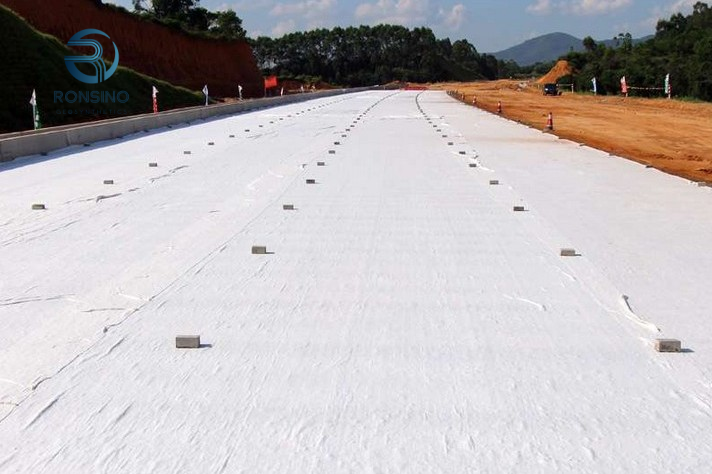
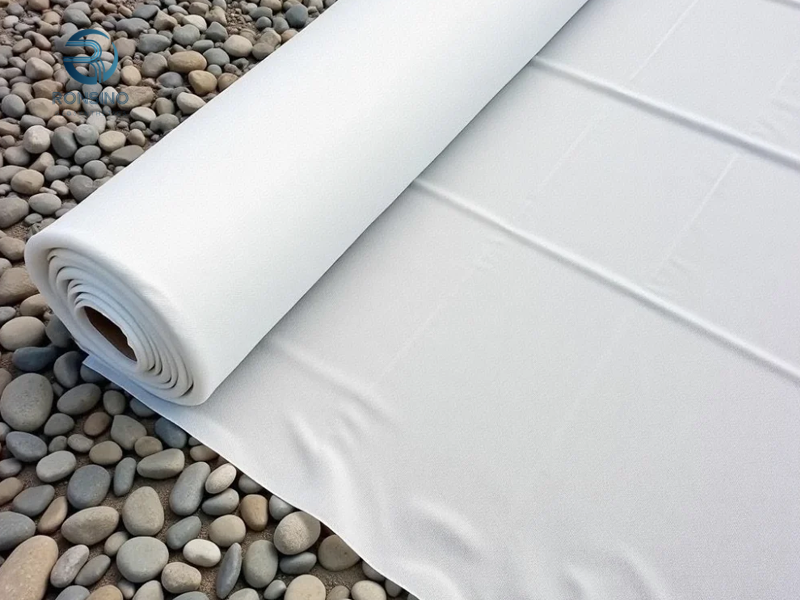
Non-woven landscaping geotextiles are manufactured by interlocking staple and filament fibers via processing technologies including needle punching, hot calendering and similar approaches. Producers usually incorporate a dedicated heat treatment step during production to boost the tensile load-bearing capacity of these fabrics, effectively extending their service life and optimizing their functional performance under various application scenarios. In a comparable production logic, non-woven geotextiles are formed by bonding staple fibers and filament fibers together, with needle punching being the most commonly adopted processing method alongside other auxiliary forming techniques. A heat treatment procedure is also frequently integrated into the production flow to further elevate the structural strength and long-term application reliability of the finished geotextile products.
The core raw materials of non-woven geotextiles are synthetic polymer materials represented by polyester and polypropylene, which endow the finished products with the characteristics of low unit weight and excellent water permeability. These inherent properties make the material perfectly suitable for engineering projects that demand functions such as base layer protection, soil particle filtration, interlayer separation and underground water drainage. Nevertheless, it is necessary to clarify the performance difference between different types of geotextiles: the load-bearing capacity of non-woven geotextiles is inferior to that of woven geotextiles, and the latter is often a more appropriate choice for engineering projects with heavy load application requirements. Even with this performance limitation, non-woven geotextiles are still widely recognized as a highly adaptable and economically efficient material option, which can meet the diversified use demands of numerous engineering and construction scenarios.
Key Features of Non Woven Geotextile Landscape Fabric:
Weed Control: Effectively suppresses weed growth by blocking sunlight to form a barrier.
Permeability: Allows water and nutrients to reach plant roots while preventing soil erosion.
Durability: Tear-resistant and degradation-resistant, suitable for long-term use.
Soil Stabilization: Helps enhance soil stability in areas prone to erosion or loose soil.
Versatile Applications: Suitable for various applications, including flower beds and nurseries, garden path paving, gravel or mulch base layers, and drainage system construction.
2. Advantages Of Non Woven Geotextile Landscape Fabric:
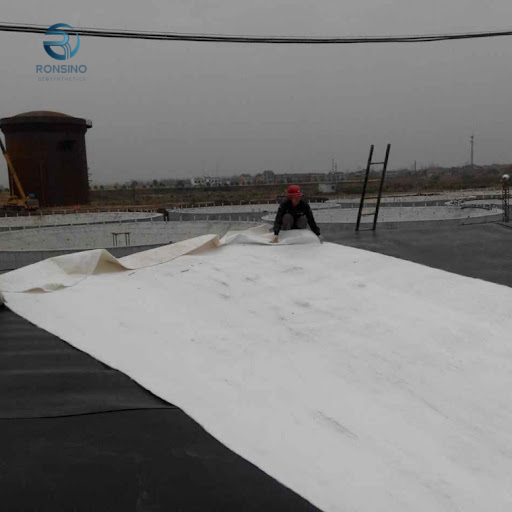
Non-woven geotextile landscape fabrics possess several significant advantages, making them widely popular in various landscaping and engineering construction projects. Their main advantages are listed below:
2.1 Non Woven Geotextile Landscape Fabric – Permeability
Drainage Performance: Nonwoven geotextiles offer excellent permeability, effectively trapping soil while allowing water to pass through smoothly. This helps achieve efficient drainage and prevents waterlogging.
Air Permeability: This material promotes air circulation, thereby improving soil structure and benefiting the healthy growth of plant roots.
2.2 Non Woven Geotextile Landscape Fabric – Soil Stabilization
Erosion Mitigation Measures: It contributes to the stabilization of surface soils, thereby curbing erosive processes triggered by both wind forces and water runoff. This functionality proves especially valuable for sloped terrains and embankment structures.
Layer Separation Functionality: It serves as an effective partition between diverse soil strata, thereby inhibiting their intermixing while preserving the structural integrity of individual layers.
2.3 Non Woven Geotextile Landscape Fabric – Filtration
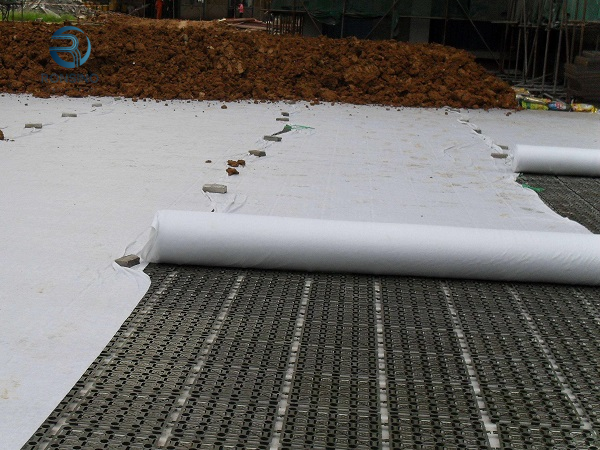
Particle Retention: The non-woven fabric effectively captures microscopic particles while permitting fluid permeation, thereby preserving the integrity of the earth's stratified composition.
Clogging Resistance: Engineered with advanced fiber arrangements, these geotextiles exhibit superior resistance to pore obstruction, guaranteeing sustained operational efficacy.
2.4 Non Woven Geotextile Landscape Fabric – Durability
UV Resistance: A wide variety of non-woven geotextiles exhibit exceptional resistance to ultraviolet radiation, ensuring their structural integrity remains intact even when exposed to prolonged sunlight, thus making them highly reliable for extended outdoor applications without substantial deterioration.
Tear Resistance: These materials typically possess robust tensile strength and exhibit remarkable resistance to tearing, a critical attribute that underscores their suitability for demanding environments where long-term durability is paramount.
2.5 Non Woven Geotextile Landscape Fabric – Versatility
Diverse Utilizations: Non-woven geotextiles serve a broad spectrum of purposes, such as highway development, fluid conveyance networks, environmental beautification, and select farming practices.
Adaptable Design: These materials are available in multiple gauges and load-bearing capacities, enabling tailored solutions to meet the unique specifications of individual undertakings.
2.6 Cost-Effectiveness
Low Maintenance: Following proper installation, non-woven geotextiles demand minimal upkeep, which significantly lowers long-term expenditures.
Material Efficiency: These materials frequently diminish the requirement for supplementary substances such as gravel or sand, thereby resulting in substantial financial benefits.
2.7 Environmental Benefits
Environmentally Conscious: A significant number of non-woven geotextiles are manufactured utilizing repurposed resources and possess the capability to be recycled again, thereby fostering ecological balance and responsible resource management.
Soil Preservation: Through their reinforcing action on the ground, these materials play a crucial role in safeguarding the original topography and minimizing the displacement of soil particles into aquatic environments, thus protecting water quality and natural habitats.
2.8 Ease of Installation
Lightweight: Non-woven geotextiles are typically characterized by their reduced mass, which facilitates effortless transportation and straightforward placement.
Flexibility: These materials exhibit remarkable pliability, allowing for precise trimming and adaptation to irregular contours, thereby streamlining the application workflow.
3. What Are The Applications Of Non Woven Geotextile Landscape Fabric?
3.1 Soil Stabilization and Erosion Control
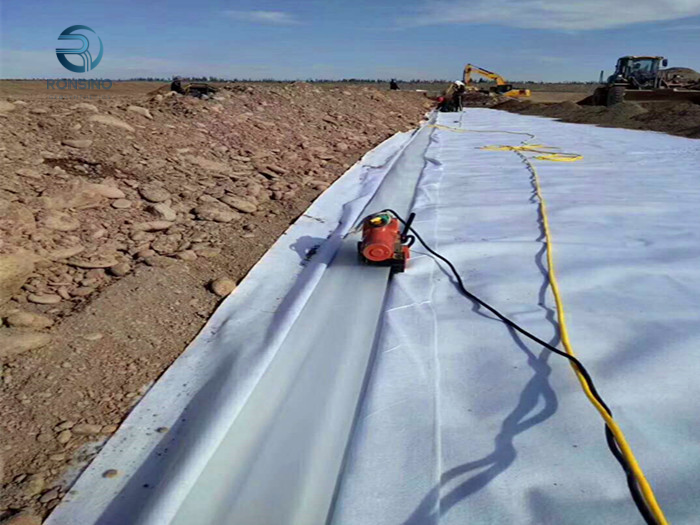
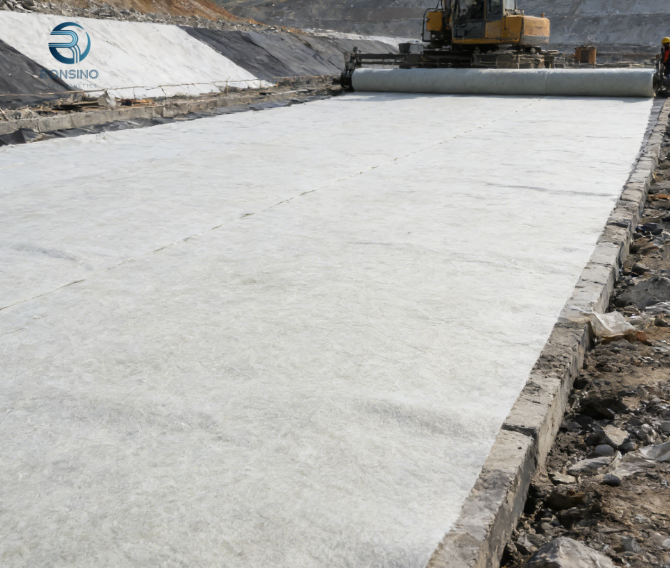
Non-woven geotextile materials, exemplified by RONSINO Geosynthetics' offerings, play a vital role in fortifying soil and mitigating erosion across diverse industrial landscapes. They demonstrate exceptional efficacy in applications such as inclined surfaces, earthworks, and active construction zones, where they offer indispensable reinforcement and safeguarding. Through bolstering the subgrade and managing sediment displacement, these textiles guarantee the structural integrity and extended lifespan of industrial developments. RONSINO Geosynthetics, leveraging its state-of-the-art production methodologies, supplies superior-grade solutions tailored to the rigorous specifications of contemporary civil engineering and building projects. Their innovations not only optimize operational productivity but also foster enduring ecological balance.
3.2 Drainage Systems
Such materials function as highly effective permeable barriers within fluid conveyance networks, facilitating liquid permeation and averting particulate obstruction. RONSINO Geosynthetics' offerings guarantee sustained operational integrity in commercial fluid management infrastructures.
3.3 Road and Railway Construction
Non-woven geotextiles serve as critical interfacial barriers between subgrade strata and granular substrates within transportation infrastructure, including roadway and railway applications. RONSINO Geosynthetics’ premium-grade textile products significantly extend service life while minimizing lifecycle expenditures associated with upkeep and repairs.
3.4 Landfill and Waste Management
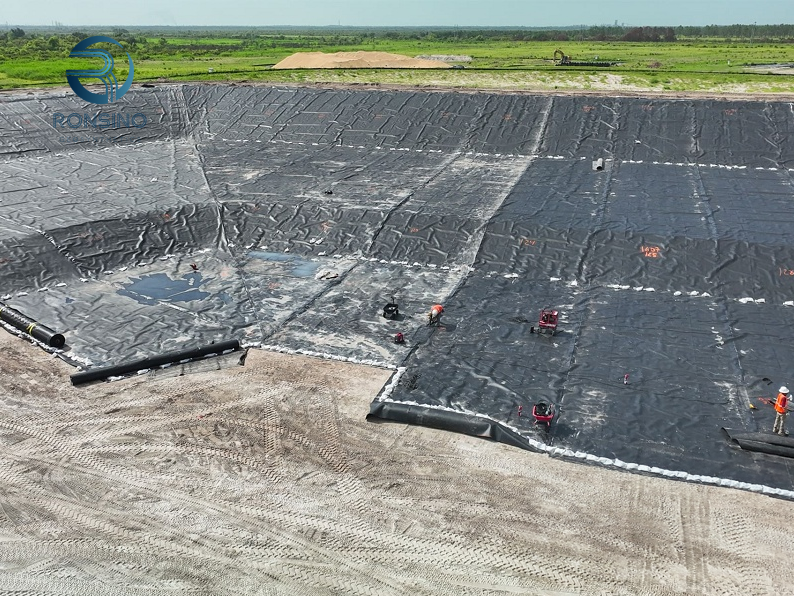
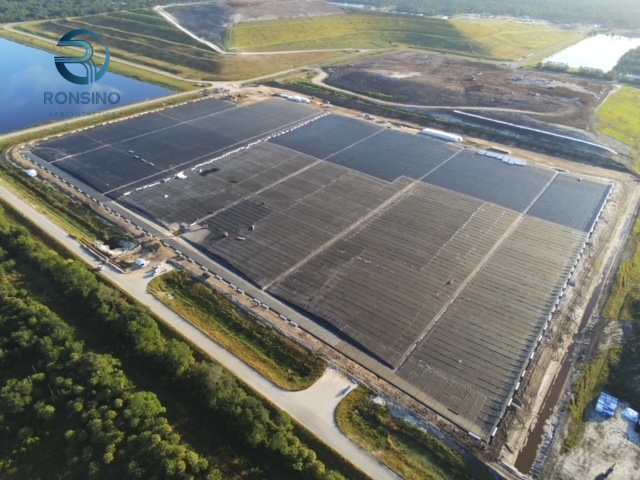
In landfill engineering initiatives, woven and non-woven geotextile materials function as impermeable shields, effectively mitigating hazardous waste dispersion and enhancing the efficiency of liquid waste drainage networks. RONSINO Geosynthetics delivers innovative and dependable methodologies to safeguard ecological integrity.
3.5 Pond and Reservoir Liners
These materials serve as protective interlayers beneath synthetic barriers within industrial water storage facilities. RONSINO Geosynthetics’ engineered products provide enhanced durability against perforation while significantly prolonging the service life of containment systems.
3.6 Industrial Site Preparation
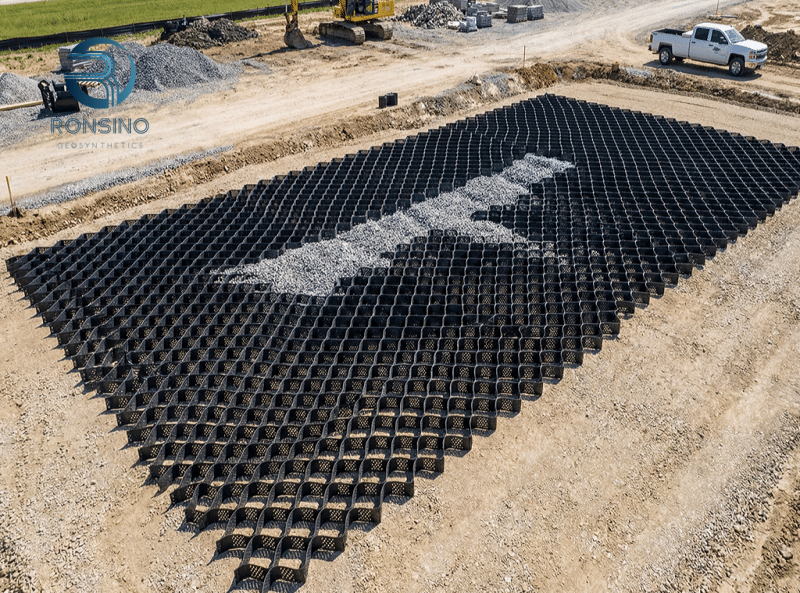
Non-woven geotextiles are indispensable in the preparation of industrial sites, as they effectively segregate soil strata, optimize load dispersal, and augment overall structural integrity. Through the provision of these fundamental functions, they establish a robust groundwork for extensive development undertakings. RONSINO Geosynthetics specifically furnishes customized resolutions that align with the distinct prerequisites of industrial implementations, guaranteeing operational efficacy and dependability throughout the construction phase. Their profound proficiency and superior-grade render them a dependable ally for realizing enduring project triumph.
3.7 Coastal and Waterway Protection
In maritime and aquatic infrastructure, non-woven geotextiles effectively mitigate soil displacement and reinforce coastal perimeters, delivering indispensable defense mechanisms against environmental aggressions. This approach significantly extends the operational lifespan and structural resilience of these vital installations. Specifically, RONSINO Geosynthetics engineers its textile products to endure rigorous operational environments, including intense wave action, ultraviolet radiation, and saline degradation. Through their robust and high-performance systems, RONSINO Geosynthetics promotes ecological engineering methodologies and sustains the enduring functionality of coastal and hydraulic developments.
3.8 Mining Operations
Nonwoven geotextiles are widely used in the mining industry for tailings treatment, soil isolation, and soil and water conservation. RONSINO Geosynthetics supplies high-quality fabrics that fully meet the stringent technical standards of the mining industry.
RONSINO Geosynthetics' nonwoven geotextile landscape fabrics are meticulously designed to ensure superior performance, making them a highly regarded and ideal material choice for various industrial projects.
4. Choose A Reliable Supplier To Quote Price For You :
RONSINO Geosynthetics remains unwavering in its dedication to advancing technological frontiers, modernizing production infrastructure, and fortifying comprehensive project execution expertise. In a recent strategic move, we have committed $10 million to the comprehensive overhaul of our manufacturing facility, integrating cutting-edge automated production systems. These transformative upgrades empower us to fabricate premium-grade geosynthetic materials through refined methodologies, guaranteeing exceptional functionality and consistent dependability.
With its superior technical capabilities, innovative engineering solutions, and attentive customer support, RONSINO Geosynthetics is committed to providing geosynthetic products and solutions tailored to your unique needs. We excel at using high-performance, innovative products to proactively address a variety of challenging problems. Strict quality control, highly competitive pricing, and efficient logistics keep us at the forefront of the industry, making us a trustworthy geosynthetics partner.
Non-woven landscaping geotextiles are manufactured by interlocking staple and filament fibers via processing technologies including needle punching, hot calendering and similar approaches. Producers usually incorporate a dedicated heat treatment step during production to boost the tensile load-bearing capacity of these fabrics, effectively extending their service life and optimizing their functional performance under various application scenarios. In a comparable production logic, non-woven geotextiles are formed by bonding staple fibers and filament fibers together, with needle punching being the most commonly adopted processing method alongside other auxiliary forming techniques. A heat treatment procedure is also frequently integrated into the production flow to further elevate the structural strength and long-term application reliability of the finished geotextile products.
The core raw materials of non-woven geotextiles are synthetic polymer materials represented by polyester and polypropylene, which endow the finished products with the characteristics of low unit weight and excellent water permeability. These inherent properties make the material perfectly suitable for engineering projects that demand functions such as base layer protection, soil particle filtration, interlayer separation and underground water drainage. Nevertheless, it is necessary to clarify the performance difference between different types of geotextiles: the load-bearing capacity of non-woven geotextiles is inferior to that of woven geotextiles, and the latter is often a more appropriate choice for engineering projects with heavy load application requirements. Even with this performance limitation, non-woven geotextiles are still widely recognized as a highly adaptable and economically efficient material option, which can meet the diversified use demands of numerous engineering and construction scenarios.
Key Features of Non Woven Geotextile Landscape Fabric:
Weed Control: Effectively suppresses weed growth by blocking sunlight to form a barrier.
Permeability: Allows water and nutrients to reach plant roots while preventing soil erosion.
Durability: Tear-resistant and degradation-resistant, suitable for long-term use.
Soil Stabilization: Helps enhance soil stability in areas prone to erosion or loose soil.
Versatile Applications: Suitable for various applications, including flower beds and nurseries, garden path paving, gravel or mulch base layers, and drainage system construction.
2. Advantages Of Non Woven Geotextile Landscape Fabric:
Non-woven geotextile landscape fabrics possess several significant advantages, making them widely popular in various landscaping and engineering construction projects. Their main advantages are listed below:
2.1 Non Woven Geotextile Landscape Fabric – Permeability
Drainage Performance: Nonwoven geotextiles offer excellent permeability, effectively trapping soil while allowing water to pass through smoothly. This helps achieve efficient drainage and prevents waterlogging.
Air Permeability: This material promotes air circulation, thereby improving soil structure and benefiting the healthy growth of plant roots.
2.2 Non Woven Geotextile Landscape Fabric – Soil Stabilization
Erosion Mitigation Measures: It contributes to the stabilization of surface soils, thereby curbing erosive processes triggered by both wind forces and water runoff. This functionality proves especially valuable for sloped terrains and embankment structures.
Layer Separation Functionality: It serves as an effective partition between diverse soil strata, thereby inhibiting their intermixing while preserving the structural integrity of individual layers.
2.3 Non Woven Geotextile Landscape Fabric – Filtration
Particle Retention: The non-woven fabric effectively captures microscopic particles while permitting fluid permeation, thereby preserving the integrity of the earth's stratified composition.
Clogging Resistance: Engineered with advanced fiber arrangements, these geotextiles exhibit superior resistance to pore obstruction, guaranteeing sustained operational efficacy.
2.4 Non Woven Geotextile Landscape Fabric – Durability
UV Resistance: A wide variety of non-woven geotextiles exhibit exceptional resistance to ultraviolet radiation, ensuring their structural integrity remains intact even when exposed to prolonged sunlight, thus making them highly reliable for extended outdoor applications without substantial deterioration.
Tear Resistance: These materials typically possess robust tensile strength and exhibit remarkable resistance to tearing, a critical attribute that underscores their suitability for demanding environments where long-term durability is paramount.
2.5 Non Woven Geotextile Landscape Fabric – Versatility
Diverse Utilizations: Non-woven geotextiles serve a broad spectrum of purposes, such as highway development, fluid conveyance networks, environmental beautification, and select farming practices.
Adaptable Design: These materials are available in multiple gauges and load-bearing capacities, enabling tailored solutions to meet the unique specifications of individual undertakings.
2.6 Cost-Effectiveness
Low Maintenance: Following proper installation, non-woven geotextiles demand minimal upkeep, which significantly lowers long-term expenditures.
Material Efficiency: These materials frequently diminish the requirement for supplementary substances such as gravel or sand, thereby resulting in substantial financial benefits.
2.7 Environmental Benefits
Environmentally Conscious: A significant number of non-woven geotextiles are manufactured utilizing repurposed resources and possess the capability to be recycled again, thereby fostering ecological balance and responsible resource management.
Soil Preservation: Through their reinforcing action on the ground, these materials play a crucial role in safeguarding the original topography and minimizing the displacement of soil particles into aquatic environments, thus protecting water quality and natural habitats.
2.8 Ease of Installation
Lightweight: Non-woven geotextiles are typically characterized by their reduced mass, which facilitates effortless transportation and straightforward placement.
Flexibility: These materials exhibit remarkable pliability, allowing for precise trimming and adaptation to irregular contours, thereby streamlining the application workflow.
3. What Are The Applications Of Non Woven Geotextile Landscape Fabric?
3.1 Soil Stabilization and Erosion Control
Non-woven geotextile materials, exemplified by RONSINO Geosynthetics' offerings, play a vital role in fortifying soil and mitigating erosion across diverse industrial landscapes. They demonstrate exceptional efficacy in applications such as inclined surfaces, earthworks, and active construction zones, where they offer indispensable reinforcement and safeguarding. Through bolstering the subgrade and managing sediment displacement, these textiles guarantee the structural integrity and extended lifespan of industrial developments. RONSINO Geosynthetics, leveraging its state-of-the-art production methodologies, supplies superior-grade solutions tailored to the rigorous specifications of contemporary civil engineering and building projects. Their innovations not only optimize operational productivity but also foster enduring ecological balance.
3.2 Drainage Systems
Such materials function as highly effective permeable barriers within fluid conveyance networks, facilitating liquid permeation and averting particulate obstruction. RONSINO Geosynthetics' offerings guarantee sustained operational integrity in commercial fluid management infrastructures.
3.3 Road and Railway Construction
Non-woven geotextiles serve as critical interfacial barriers between subgrade strata and granular substrates within transportation infrastructure, including roadway and railway applications. RONSINO Geosynthetics’ premium-grade textile products significantly extend service life while minimizing lifecycle expenditures associated with upkeep and repairs.
3.4 Landfill and Waste Management
In landfill engineering initiatives, woven and non-woven geotextile materials function as impermeable shields, effectively mitigating hazardous waste dispersion and enhancing the efficiency of liquid waste drainage networks. RONSINO Geosynthetics delivers innovative and dependable methodologies to safeguard ecological integrity.
3.5 Pond and Reservoir Liners
These materials serve as protective interlayers beneath synthetic barriers within industrial water storage facilities. RONSINO Geosynthetics’ engineered products provide enhanced durability against perforation while significantly prolonging the service life of containment systems.
3.6 Industrial Site Preparation
Non-woven geotextiles are indispensable in the preparation of industrial sites, as they effectively segregate soil strata, optimize load dispersal, and augment overall structural integrity. Through the provision of these fundamental functions, they establish a robust groundwork for extensive development undertakings. RONSINO Geosynthetics specifically furnishes customized resolutions that align with the distinct prerequisites of industrial implementations, guaranteeing operational efficacy and dependability throughout the construction phase. Their profound proficiency and superior-grade render them a dependable ally for realizing enduring project triumph.
3.7 Coastal and Waterway Protection
In maritime and aquatic infrastructure, non-woven geotextiles effectively mitigate soil displacement and reinforce coastal perimeters, delivering indispensable defense mechanisms against environmental aggressions. This approach significantly extends the operational lifespan and structural resilience of these vital installations. Specifically, RONSINO Geosynthetics engineers its textile products to endure rigorous operational environments, including intense wave action, ultraviolet radiation, and saline degradation. Through their robust and high-performance systems, RONSINO Geosynthetics promotes ecological engineering methodologies and sustains the enduring functionality of coastal and hydraulic developments.
3.8 Mining Operations
Nonwoven geotextiles are widely used in the mining industry for tailings treatment, soil isolation, and soil and water conservation. RONSINO Geosynthetics supplies high-quality fabrics that fully meet the stringent technical standards of the mining industry.
RONSINO Geosynthetics' nonwoven geotextile landscape fabrics are meticulously designed to ensure superior performance, making them a highly regarded and ideal material choice for various industrial projects.
4. Choose A Reliable Supplier To Quote Price For You :
RONSINO Geosynthetics remains unwavering in its dedication to advancing technological frontiers, modernizing production infrastructure, and fortifying comprehensive project execution expertise. In a recent strategic move, we have committed $10 million to the comprehensive overhaul of our manufacturing facility, integrating cutting-edge automated production systems. These transformative upgrades empower us to fabricate premium-grade geosynthetic materials through refined methodologies, guaranteeing exceptional functionality and consistent dependability.
With its superior technical capabilities, innovative engineering solutions, and attentive customer support, RONSINO Geosynthetics is committed to providing geosynthetic products and solutions tailored to your unique needs. We excel at using high-performance, innovative products to proactively address a variety of challenging problems. Strict quality control, highly competitive pricing, and efficient logistics keep us at the forefront of the industry, making us a trustworthy geosynthetics partner.