Is Geomembrane Waterproof?
Blog · 2026-05-29 · 0 views
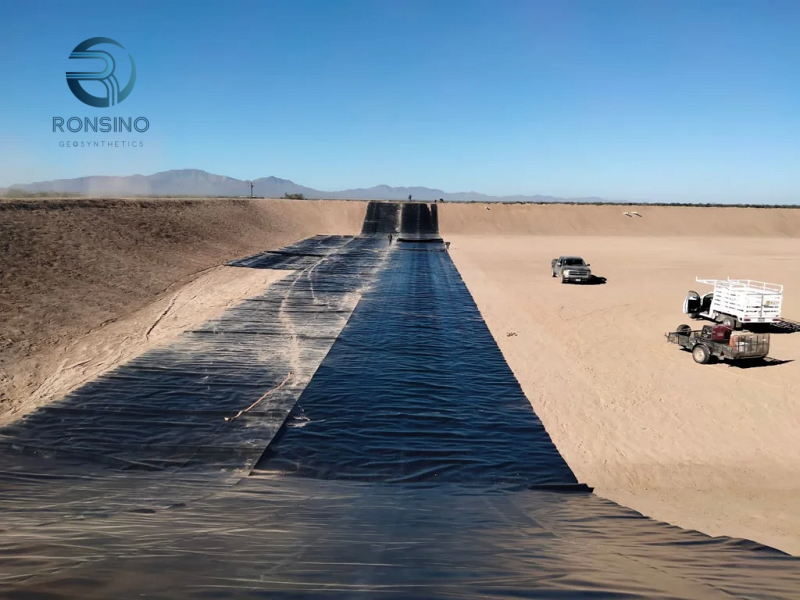
Nestled deep below monumental hydraulic projects situated within foundation depths sanitary fill operations proximal complex transportation arteries rests unassuming but vital shield called geotextile membrane.Labeled unseen sentry civil construction realm steadfastly defends ecological security structural soundness leveraging superior fluid-blocking capabilities.Impermeable Geosynthetics constitute virtually non-porous substances derived heavy macromolecular compounds specifically variants like High-Density Polyethylene Polyvinyl Chloride.Characterized minimal transmission metrics these linings effectively obstruct migration pathways diverse media including aqueous gaseous chemical agents.Such distinct attributes establish their supremacy creating man-made sealing mechanisms designed strictly confine effluents designated zones thus averting unauthorized release external environment
1. The Core Function of Waterproof Geomembrane
Building a Reliable Anti-Seepage Barrier
Geomembranes are waterproof barrier materials made primarily from high-molecular-weight polymers (such as high-density polyethylene, low-density polyethylene, and polyvinyl chloride.
Their core functions can be summarized as follows:
Safeguarding Nature & Mitigating Ecological Harm stands undoubtedly paramount concerning utility geosynthetic barriers Across diverse scenarios encompassing municipal refuse repositories dangerous substance containment areas mine tailing accumulators alongside comparable infrastructure ventures such synthetic sheets perform central role primary seepage obstruction system efficiently blocking lethal percolated liquids infiltrating subsoil consequently defending earth mantle water tables contamination effects ultimately serving absolute keystone guarantee survival integrity sustainable sanitation schemes
Strategic Water Resource Management Optimal Distribution: Across diverse hydraulic infrastructure undertakings—including man-made lagoons detention basins natural riverways agricultural conveyance networks—the deployment high-performance anti-seepage linings plays a pivotal role in substantially mitigating fluid depletion caused by underground infiltration By establishing an effective impermeable barrier this technology elevates overall retention capabilities thereby securing reliable hydration reserves vital supporting agrarian activities consistent public utility access both metropolitan municipal communities
The management of moisture and infiltration is critical in construction projects; these methods are essential for comprehensive waterproofing and dehumidification of a variety of developments, including residential foundations, green roofs, mountain tunnels, rapid transit systems, and other critical infrastructure. By rigorously maintaining a dry environment in the area below ground level, these interventions help strengthen the integrity of the structure, effectively extending its operational life.
Municipal and Transportation Engineering:The use of anti-seepage membrane technology is crucial when constructing roadbed projects for road systems, railway networks and airport runways; these materials effectively separate different soil layers and block the possibility of upward migration of weak materials in the underlying layer. In addition, such products have excellent conductivity and reinforcement effects, which significantly enhance the stability and durability of the overall foundation structure.
Aquaculture: As the lining of aquaculture ponds, geomembranes prevent water-soil exchange, facilitating water quality control, reducing disease transmission, and improving aquaculture profitability.
2. What are the characteristics of Waterproof Geomembrane?
The Cornerstone of Outstanding Performance
Waterproof Geomembranes are able to shoulder such a heavy responsibility thanks to a series of exceptional material properties:
2.1 Waterproof Geomembrane – Extremely Low Permeability
This represents the quintessential property inherent to geomembranes Exhibiting an exceptionally minute permeability rate—characteristically measured at levels below $10^{-11}$ cm/s—they act as though they are entirely impervious, thus creating a superior and reliable obstruction for fluid containment
2.2 Waterproof Geomembrane – Excellent Chemical Resistance
Particularly noteworthy is that High-Density Polyethylene (HDPE) geomembrane liners offer exceptional defense mechanisms against a wide variety of deleterious substances ranging from strong mineral acids potent bases saline crystals through miscellaneous reactive agents; additionally these engineered fabrics demonstrate outstanding longevity when subjected to sustained contact with intricately hostile milieus such as hazardous contaminants present in refuse site percolates or heavily polluted aqueous wastes resulting from commercial processing activities
2.3 Waterproof Geomembrane – Excellent UV Resistance:
By mixing enhanced antioxidants such as carbon black into the base polymer matrix, geomembranes gain powerful defenses against harmful UV rays emitted by sunlight; this protection effectively inhibits material degradation, allowing these barriers to maintain long-term structural integrity and functionality even when exposed directly to harsh environmental conditions for extended periods of time.
2.4 Waterproof Geomembrane – High Mechanical Strength
These products display outstanding durability featuring remarkable capacity for resisting elongation forces preventing tears withstanding sharp impacts while maintaining structural integrity under duress; moreover they are built survive intense physical strain imposed throughout placement operations handling massive weight from overlaying earth layers adapting effectively possible ground subsidence which ultimately ensures their longevity prevents failure under harsh working conditions
2.5 Waterproof Geomembrane – Good Flexibility and Deformability
Possessing inherent flexibility and significant tensile capacity advantages, geomembranes demonstrate superior accommodation capabilities when dealing with supporting subgrades undergoing irregular consolidation and shape alterations; furthermore, by exhibiting high resistance against structural failure induced by regional strain—specifically tear resistance—these materials are essential for ensuring that the continuity and leak-free status of the containment barrier remains uncompromised throughout its service life.
2.6 Waterproof Geomembrane – Easy Installation and Reliable Connections
Geomembranes are usually shipped in large rolls, allowing for efficient installation on site. The connection mainly adopts hot melt welding or extrusion welding process, and the strength of the weld formed exceeds that of the base material, thereby ensuring the integrity and continuity of the anti-seepage layer.
2.7 Waterproof Geomembrane – Cost-Effectiveness
Relative to conventional clay-based impermeable barriers, geomembranes possess reduced thickness, consume fewer resources, and enable accelerated installation, thereby substantially optimizing land utilization, diminishing overall expenditures, and compressing project timelines.
2.8 Waterproof Geomembrane – Durability and long life
When properly engineered and installed under optimal conditions, premium-grade HDPE geomembranes exhibit a service lifespan exceeding half a century, potentially enduring even longer durations while delivering persistent and reliable safeguarding for engineering projects.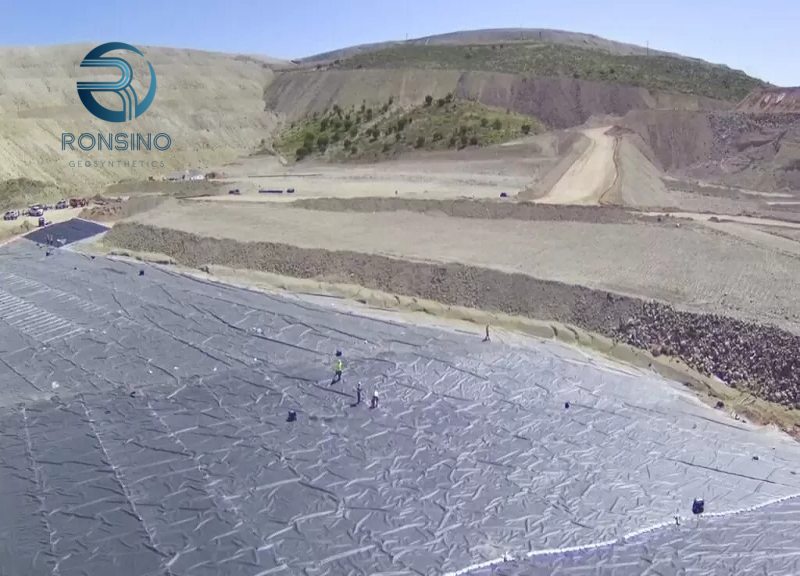
3. What are the Main Application Areas and Specific Functions of Waterproof Geomembrane?
Based on their core performance, geomembranes play an irreplaceable role in a variety of fields:
3.1 Environmental Engineering: Protecting the Pure Land
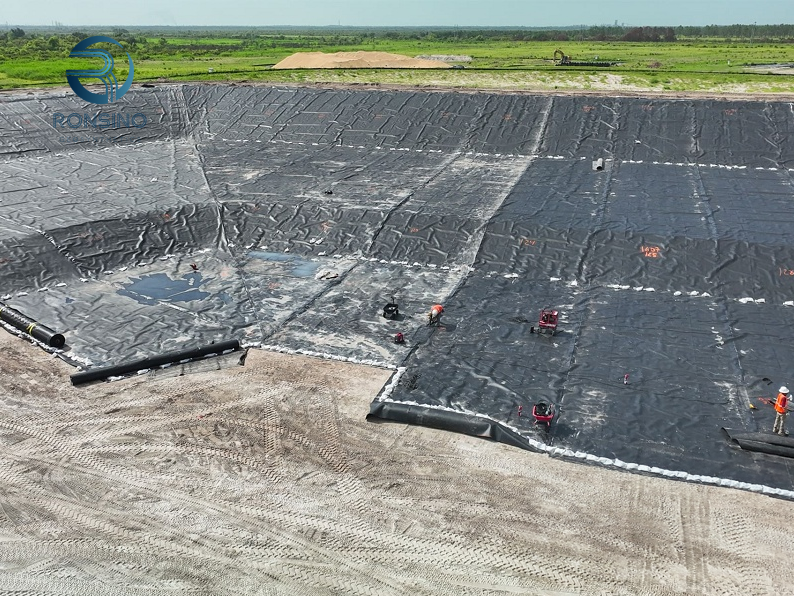
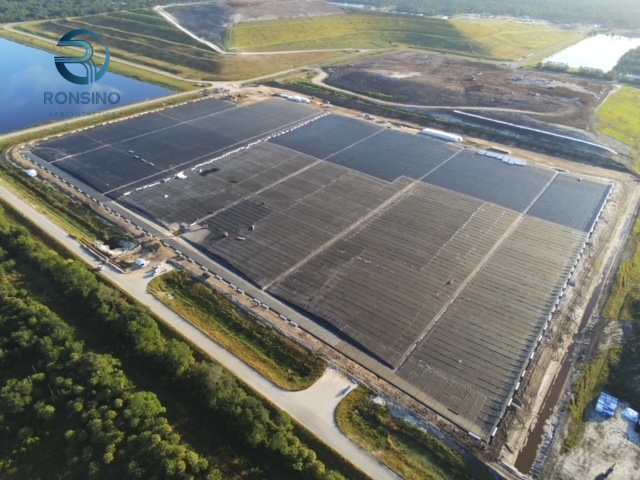
Landfills: Geomembranes represent a quintessential solution in environmental engineering, primarily utilized as impermeable barriers. These synthetic membranes effectively isolate hazardous substances, thereby shielding subterranean ecosystems from toxic infiltration and preserving groundwater purity. Furthermore, they function as protective shields against external environmental elements, minimizing precipitation ingress and consequently diminishing the volume of contaminated effluent. Additionally, their deployment facilitates effective vapor management, mitigating the dispersion of malodorous emissions and maintaining air quality standards.
Sewage Treatment Ponds/Oxidation Ponds: They ensure that wastewater and chemical treatment agents are safely contained within the ponds, preventing leakage and secondary pollution.
Tailings Ponds: Mining tailings wastewater often contains harmful substances such as heavy metals. Geomembrane linings are a key barrier to prevent these pollutants from polluting the environment.
3.2 Water Conservancy Projects: Securing every drop of precious water.
Artificial Lakes, Reservoirs, and Canals: In areas with severe seepage, laying geomembranes can significantly reduce water loss and improve water storage efficiency.
Dam and Levee: They are used as anti-seepage linings for dam bodies, enhancing their stability and preventing dangerous conditions such as pipe bursts.
3.3 Construction: Creates a dry foundation for buildings.
Basements and tunnels: Employed as an impermeable barrier to block subterranean water from infiltrating structures, thereby maintaining moisture-free and secure below-grade environments.
Rooftop gardens: Laying a geomembrane beneath the green layer prevents moisture from seeping into the building structure while retaining water for plant growth.
3.4 Agriculture and Aquaculture: Boosting agricultural production
Aquaculture ponds: Maintaining pond water levels, reducing seepage losses, and facilitating cleaning and management.
Irrigation reservoirs/canals: Similar to water conservancy projects, ensuring that precious water resources are used efficiently for irrigation.
In short, while thin, geomembranes carry a significant weight. As a fundamental anti-seepage material in modern civil and environmental engineering, they serve as a silent guardian, building a solid line of defense in protecting water resources, preventing pollution, and ensuring project safety. From macro-level water conservancy hubs to micro-level rooftop waterproofing, geomembranes are ubiquitous and a vital technological force driving sustainable development.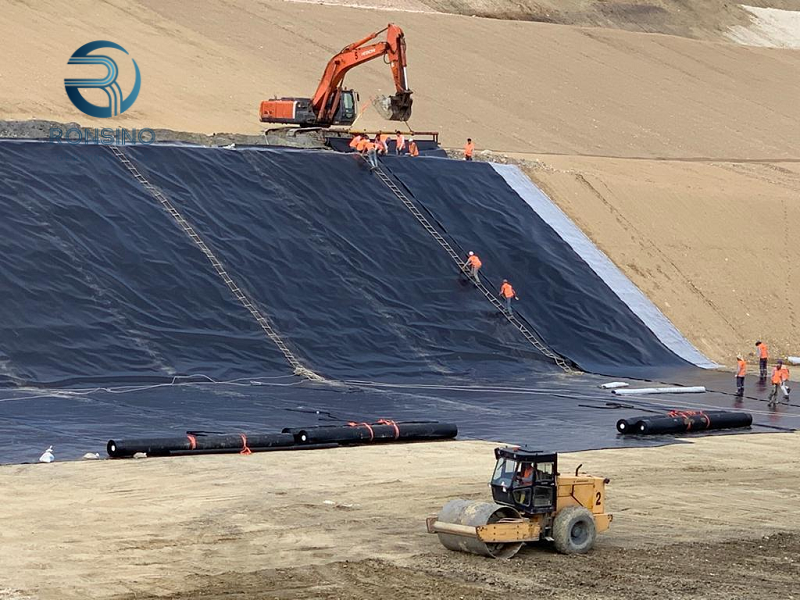
4. Choosing a Good Waterproof Geomembrane Supplier
TAIAN RONSINO New Material Co.,Ltd (Brand:RONSINO) is the professional Waterproof Geomembrane and geosynthetics manufacturer and wholesaler located in Shandong Province, China. We are a professional manufacturer, exporter and wholesaler for such geosynthetic products as HDPE Pool Liner, geotextiles, geogrids, geocells, geosynthetic clay liners (GCLs), drainage boards, etc.
4.1 Global Reach and Proven Track Record
Our company specializes in the global distribution of high-performance Waterproof Geomembrane and geosynthetic materials, serving clients across more than 100 nations. For over a decade, international buyers have consistently selected RONSINO as their trusted partner, drawn by our unwavering commitment to quality, innovation, and reliable service.
4.2 Technological Investment and Product Quality
RONSINO has consistently prioritized technological advancement, enhanced manufacturing capabilities, and comprehensive engineering solutions. Our significant capital investment of $10 million has enabled the establishment of a cutting-edge production facility, featuring fully automated assembly lines designed for the efficient manufacturing of premium geomembranes and other geosynthetic materials through refined production methodologies. Our diverse portfolio of geosynthetic products is distinguished by their guaranteed quality, superior performance, exceptional resilience, and optimal cost-efficiency.
4.3 Customer-Centric Solutions and Competitive Advantages
RONSINO brand waterproof geomembranes and other geosynthetic materials products and solutions can fully meet your diverse needs with our solid technical foundation, innovative engineering solutions and excellent customer service system. RONSINO has always been committed to using innovative and high-performance geosynthetic products to overcome the most difficult challenges in the fields of civil engineering, mining engineering and environmental protection. Our core competitive advantages lie in strict quality control, highly competitive ex-factory prices and efficient delivery cycles.