How to Choose Geotextiles for Driveways
Blog · 2026-06-26 · 0 views
1.What exactly is geotextile for roadways?
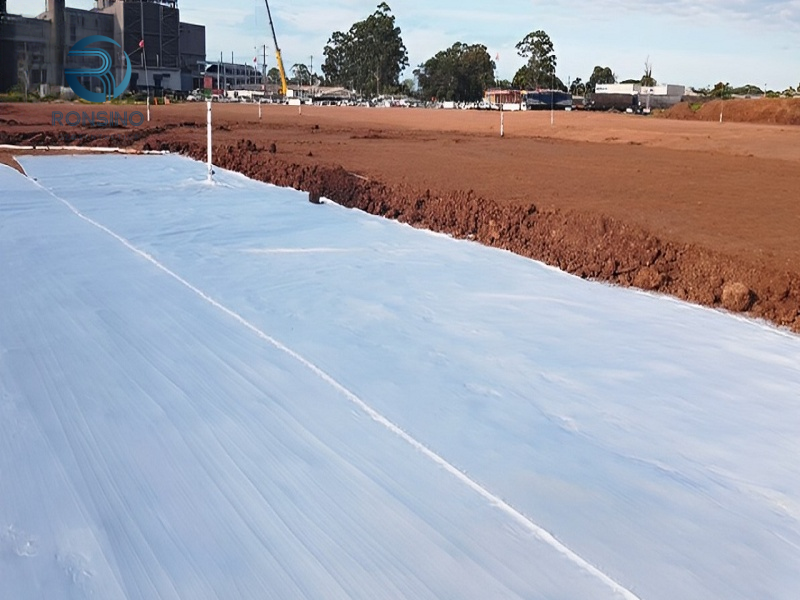
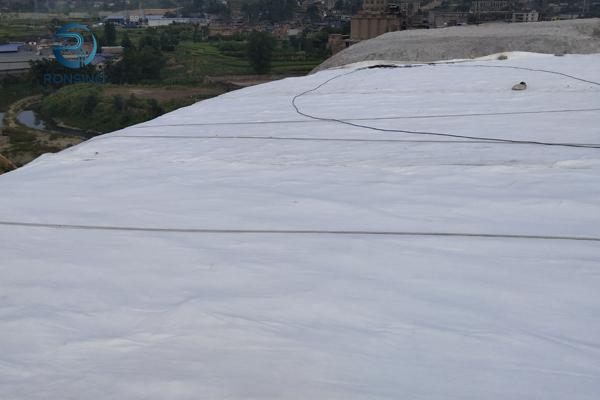
RONSINO's geosynthetic long-fiber materials—commonly known as geotextile fabrics—are a type of engineering construction material possessing durable toughness and high strength. Their main functions are to help ensure the stability and safety of roadbed foundations, effectively prevent soil loss and erosion, and efficiently promote water drainage and infiltration circulation. The core raw materials of this type of geotextile are various synthetic long-fiber substances, with polypropylene and polyester being the most frequently used. Both of these materials undergo special process modifications during production, resulting in excellent load-bearing capacity and the ability to withstand extreme climatic environments (such as high temperatures and extreme cold), thus significantly extending their actual service life in engineering projects.
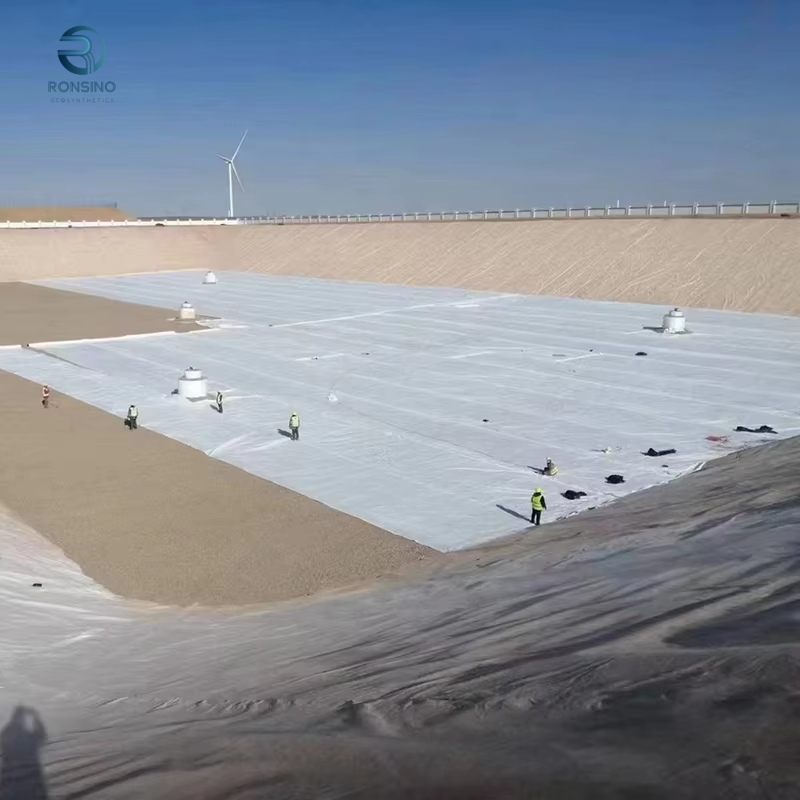
RONSINO's geosynthetic long-fiber material series offers a rich and diverse range of geotextile products, each with unique data parameters (physicochemical properties) and suitable engineering construction fields (applicable scenarios) and specific uses.
Geotextiles are mainly classified into three categories: woven geotextiles, nonwoven geotextiles, and knitted geotextiles.
RONSINO Geosynthetics' woven geotextiles are made by interlacing individual synthetic fibers to form an ordered mesh structure. This type of geotextile is one of the strongest and most durable options in the geotextile product line, suitable for applications requiring extremely high mechanical strength and durability. It is commonly used in projects such as highway pavement base reinforcement, slope erosion control, and retaining wall construction.
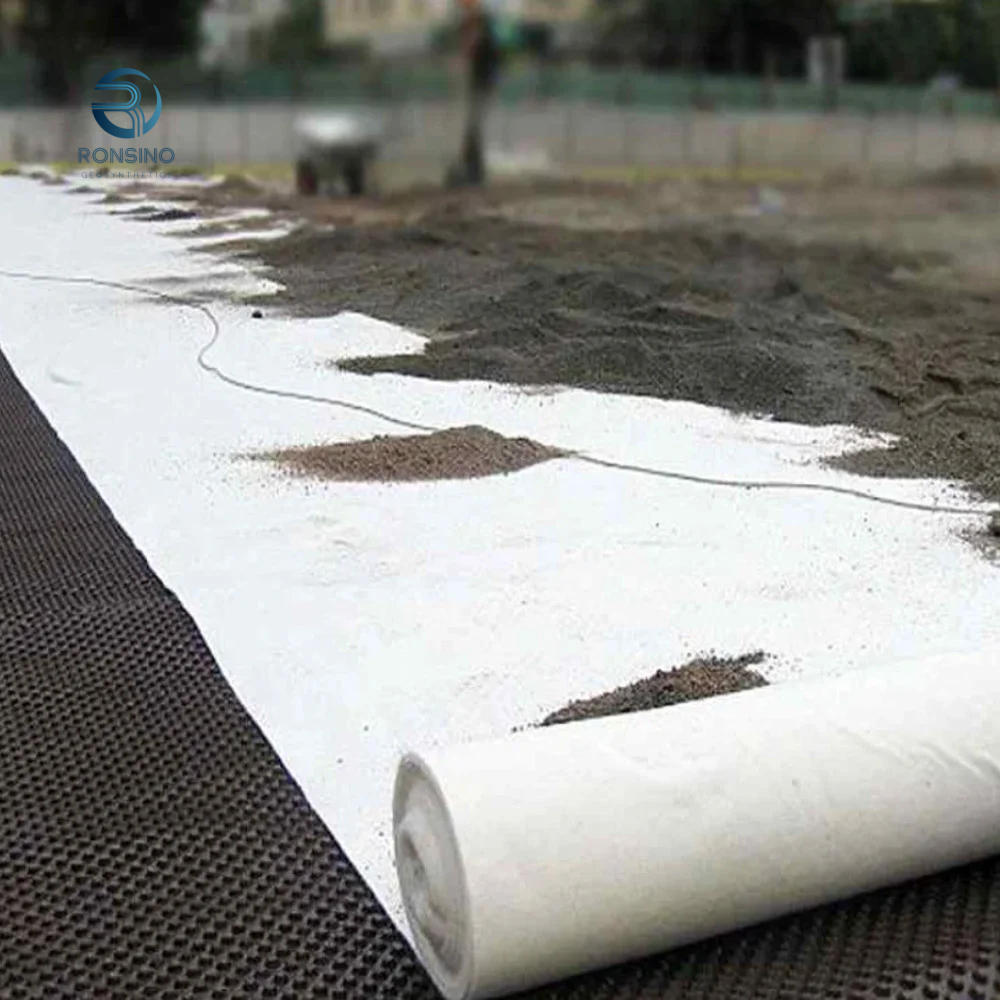
In contrast, RONSINO Geosynthetics' nonwoven geotextiles are manufactured using a process that bonds synthetic fibers together through precisely controlled heat exposure and mechanical pressure. It has wide applicability and can be used for soil structure stabilization, groundwater drainage, and fine particle filtration. Common applications include landscape engineering, groundwater management systems, and coastal erosion control measures.
RONSINO Geosynthetics' knitted geotextiles are produced using specialized industrial knitting machines, interlacing synthetic fibers into a flexible network. This geotextile is known for its inherent flexibility and lightweight properties, making it ideal for applications requiring effective drainage, reliable filtration, and moderate structural reinforcement. It is commonly used for embankment stability enhancement, landfill drainage system construction, and riverbank erosion control.
2.The Significance of Ground Stabilization Geotextile in Driveway Construction:
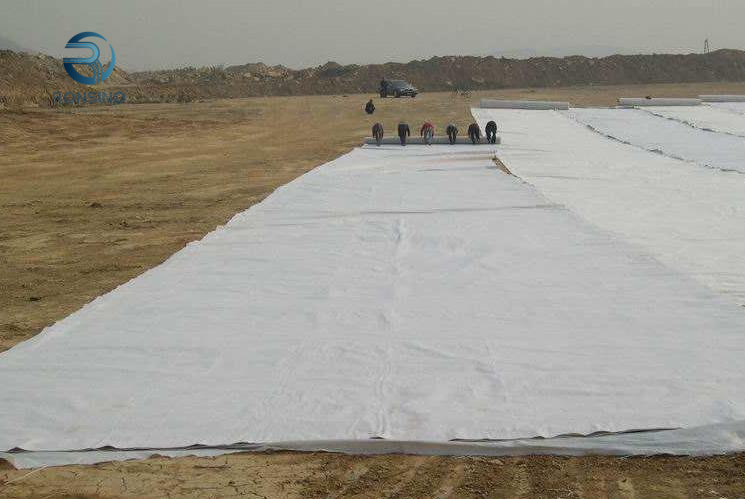
Ground stability stands as a core consideration in all construction projects, and its role in driveway engineering is especially irreplaceable. A reliably stabilized subgrade guarantees that the driveway can bear repeated heavy vehicle loads and long-term frequent traffic flow, effectively stopping soil displacement and water-induced erosion of the base layer. On the contrary, insufficient ground stability will cause problems such as cracking, settlement and even structural collapse of the driveway, which not only leads to a sharp rise in later maintenance expenses, but also may bring potential safety risks to pedestrians and passing vehicles.
3.Which Elements of Geofabric for Driveway Influence Ground Stability?
Multiple elements contribute to ground stability, directly impacting the durability and service life of driveways. The following outlines some prevalent factors that influence ground stability:
3.1 Soil Composition:
Soil type plays a decisive role in ground stability. Different soils possess varying load‑bearing capacities based on their structure, with some being more vulnerable to erosion and displacement. For instance, clay‑rich soils exhibit limited load‑bearing ability and are susceptible to shrinkage and expansion, leading to potential instability. Conversely, sandy soils generally offer higher load‑bearing strength but are more inclined to erode and shift over time.
3.2 Soil Moisture Content
Soil moisture content is another core factor affecting foundation stability. When soil moisture content exceeds a reasonable range, it significantly softens the soil structure, directly weakening its bearing capacity and ultimately leading to foundation instability. Conversely, prolonged soil water shortage causes soil shrinkage and drying, accompanied by numerous cracks, which can also induce ground displacement and disrupt foundation stability.
3.3 Vehicle Load
The weight of vehicles the driveway needs to bear is a key factor to consider during the design and maintenance phases. The load generated by heavy vehicles repeatedly compresses the underlying soil, causing continuous soil compaction and leading to foundation settlement and ground displacement. Over time, this can result in various structural damages on the driveway surface, such as depressions, directly increasing subsequent maintenance and repair costs.
3.4 Climatic Conditions
Climate is also a key factor affecting foundation stability. Extreme weather phenomena—such as heavy rainfall, large snowfalls, and repeated freeze-thaw cycles—can exacerbate soil erosion and trigger soil displacement, leading to foundation instability. Conversely, mild and consistently stable climatic conditions help maintain and enhance the long-term stability of the foundation.
3.5 Vegetation Cover
The presence of vegetation (including trees and other plants) also affects foundation stability. Tree roots can penetrate deep into the soil and damage the roadbed structure, causing ground displacement and instability. Removing surface vegetation can exacerbate soil erosion and weaken the overall stability of the foundation.
4. How To Choose Best Geofabric for Driveway?
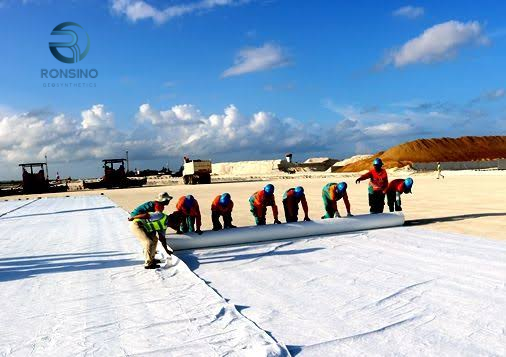
First, the detailed conditions and requirements of the project need to be clearly defined, including the project scale, service life, and environmental conditions. Second, based on the above requirements, a suitable type of RONSINO geosynthetic geotextile should be selected, such as impermeable geotextile or reinforced geotextile. Next, the performance index requirements should be further determined according to the selected type, such as tensile strength, elongation, and permeability coefficient. Finally, the material cost and cost-effectiveness factors should be comprehensively considered to select RONSINO geosynthetic products that meet the project needs and have reasonable economic efficiency.
4.1 Physical and mechanical properties
Composite geotextiles maintain stable performance even under harsh conditions of immersion or burial in high-humidity soil. Simultaneously, their excellent hydrolysis resistance maintains structural integrity, effectively preventing material degradation due to water erosion. Furthermore, they retain excellent mechanical strength and load-bearing capacity even under long-term fully saturated conditions. Therefore, engineers frequently apply them to engineering scenarios with high durability requirements, such as dams, ditches, and coastal protection. Ultimately, their superior performance in humid environments ensures the reliability and stability of long-term operation in water-related projects.
4.2 Water permeability
Composite geotextiles proactively enable unobstructed, high-efficiency water migration while sustaining exceptional filtration efficacy throughout their service life. Their precisely calibrated pore architecture preserves steady, uniform permeability even when subjected to substantial overlying soil loads and sustained compressive stress.
In addition, the material achieves an ideal equilibrium between robust drainage capability and reliable fine-particle interception, effectively eliminating the risk of long-term clogging caused by soil particle ingress.
As a result, these dual-role geotextiles deliver outstanding performance in drainage applications that demand simultaneous unimpeded water conveyance and reliable structural stabilization of surrounding soil layers.
Their exceptional hydraulic performance characteristics establish them as a critical, irreplaceable component for civil engineering initiatives that have stringent, high-standard filtration and drainage requirements.
4.3 Chemical resistance, corrosion resistance, and mildew resistance
Composite geosynthetic fabrics offer robust stability retention when subjected to a wide spectrum of complex chemical surroundings.
Furthermore, they effectively withstand deterioration triggered by acidic soil matrices, high-alkalinity aqueous environments, and high-salinity habitats with concentrated salt content.
In addition, their unique cross-linked molecular framework successfully avoids structural decomposition when coming into contact with assorted reactive components present in subterranean soil and natural water bodies.
As a result, these engineering materials exhibit highly consistent operational performance in construction projects spanning from coastal shoreline defense works to industrial hazardous substance containment facilities.
Finally, their exceptional chemical inertness guarantees prolonged service life and stable functional performance under all possible pH value ranges and salinity concentration conditions.
4.4 Geofabric for Driveway – UV Resistance
UV-stabilized geotextiles deliver robust defense against ultraviolet degradation when laid in driveways fully exposed to direct sunlight.
In addition, these purpose-engineered materials retain their full structural strength and performance even under unrelenting, long-term sun exposure.
What’s more, the high-efficiency UV stabilizers integrated into the fiber matrix during manufacturing greatly prolong its usable lifespan for all outdoor deployment scenarios.
As a result, property owners can steer clear of unplanned early replacement expenses, and keep the structural stability of their driveways intact for a far longer period.This specialized sun-resistant attribute has been proven to be a core requirement for sustaining the full functional performance of geotextiles in all uncovered installation environments.
5. Choosing a Good Geotextile Supplier :
Shandong Ronsino New Material Co., Ltd. (Brand: RONSINO Geosynthetics) is a professional enterprise specializing in the research, development, production, and sales of geotextiles and geosynthetics. Located in Shandong Province, China, we are committed to producing various high-quality geosynthetics and also undertake export and wholesale business. Our product range covers high-density polyethylene (HDPE) pool liners, geotextiles, geogrids, geocells, drainage boards, and many other types.
For many years, our geotextiles and geosynthetics have been exported to more than 60 countries and regions worldwide, including Australia, France, Sweden, the United Kingdom, Hong Kong, Hungary, New Zealand, Poland, Mexico, Ecuador, Brazil, Pakistan, Bangladesh, Thailand, Vietnam, Malaysia, Indonesia, Singapore, the Philippines, Sri Lanka, India, the United Arab Emirates, Saudi Arabia, Qatar, Kenya, Ghana, Ethiopia, Somalia, Nigeria, South Africa, Switzerland, and Mongolia. Many international clients have maintained stable cooperation with Ronsino Geosynthetics for over ten years, regarding them as trustworthy long-term partners.
RONSINO Geosynthetics has long been committed to technological innovation, production equipment upgrades, and the development of one-stop engineering services. It has invested a total of US$10 million in its production base, which is fully equipped with industry-leading automated production lines. Leveraging lean and optimized production processes, it creates high-quality geotextiles and various geosynthetic products. Its comprehensive geosynthetic product line enjoys widespread recognition in the industry for its stable and reliable quality, excellent performance, outstanding durability, and high cost-effectiveness.
RONSINO Geosynthetics' geotextiles and various geosynthetic products and solutions, based on solid technical reserves, innovative engineering solutions, and a comprehensive customer service system, can fully meet the diverse needs of different customers. The brand is committed to providing efficient solutions to various complex problems in geotechnical engineering, mining construction, and environmental remediation through innovative, high-performance geosynthetic products. Rigorous quality assurance, highly competitive factory-direct pricing, and efficient delivery capabilities are our core competitive advantages that keep us at the forefront of the industry.
RONSINO's geosynthetic long-fiber materials—commonly known as geotextile fabrics—are a type of engineering construction material possessing durable toughness and high strength. Their main functions are to help ensure the stability and safety of roadbed foundations, effectively prevent soil loss and erosion, and efficiently promote water drainage and infiltration circulation. The core raw materials of this type of geotextile are various synthetic long-fiber substances, with polypropylene and polyester being the most frequently used. Both of these materials undergo special process modifications during production, resulting in excellent load-bearing capacity and the ability to withstand extreme climatic environments (such as high temperatures and extreme cold), thus significantly extending their actual service life in engineering projects.
RONSINO's geosynthetic long-fiber material series offers a rich and diverse range of geotextile products, each with unique data parameters (physicochemical properties) and suitable engineering construction fields (applicable scenarios) and specific uses.
Geotextiles are mainly classified into three categories: woven geotextiles, nonwoven geotextiles, and knitted geotextiles.
RONSINO Geosynthetics' woven geotextiles are made by interlacing individual synthetic fibers to form an ordered mesh structure. This type of geotextile is one of the strongest and most durable options in the geotextile product line, suitable for applications requiring extremely high mechanical strength and durability. It is commonly used in projects such as highway pavement base reinforcement, slope erosion control, and retaining wall construction.
In contrast, RONSINO Geosynthetics' nonwoven geotextiles are manufactured using a process that bonds synthetic fibers together through precisely controlled heat exposure and mechanical pressure. It has wide applicability and can be used for soil structure stabilization, groundwater drainage, and fine particle filtration. Common applications include landscape engineering, groundwater management systems, and coastal erosion control measures.
RONSINO Geosynthetics' knitted geotextiles are produced using specialized industrial knitting machines, interlacing synthetic fibers into a flexible network. This geotextile is known for its inherent flexibility and lightweight properties, making it ideal for applications requiring effective drainage, reliable filtration, and moderate structural reinforcement. It is commonly used for embankment stability enhancement, landfill drainage system construction, and riverbank erosion control.
2.The Significance of Ground Stabilization Geotextile in Driveway Construction:
Ground stability stands as a core consideration in all construction projects, and its role in driveway engineering is especially irreplaceable. A reliably stabilized subgrade guarantees that the driveway can bear repeated heavy vehicle loads and long-term frequent traffic flow, effectively stopping soil displacement and water-induced erosion of the base layer. On the contrary, insufficient ground stability will cause problems such as cracking, settlement and even structural collapse of the driveway, which not only leads to a sharp rise in later maintenance expenses, but also may bring potential safety risks to pedestrians and passing vehicles.
3.Which Elements of Geofabric for Driveway Influence Ground Stability?
Multiple elements contribute to ground stability, directly impacting the durability and service life of driveways. The following outlines some prevalent factors that influence ground stability:
3.1 Soil Composition:
Soil type plays a decisive role in ground stability. Different soils possess varying load‑bearing capacities based on their structure, with some being more vulnerable to erosion and displacement. For instance, clay‑rich soils exhibit limited load‑bearing ability and are susceptible to shrinkage and expansion, leading to potential instability. Conversely, sandy soils generally offer higher load‑bearing strength but are more inclined to erode and shift over time.
3.2 Soil Moisture Content
Soil moisture content is another core factor affecting foundation stability. When soil moisture content exceeds a reasonable range, it significantly softens the soil structure, directly weakening its bearing capacity and ultimately leading to foundation instability. Conversely, prolonged soil water shortage causes soil shrinkage and drying, accompanied by numerous cracks, which can also induce ground displacement and disrupt foundation stability.
3.3 Vehicle Load
The weight of vehicles the driveway needs to bear is a key factor to consider during the design and maintenance phases. The load generated by heavy vehicles repeatedly compresses the underlying soil, causing continuous soil compaction and leading to foundation settlement and ground displacement. Over time, this can result in various structural damages on the driveway surface, such as depressions, directly increasing subsequent maintenance and repair costs.
3.4 Climatic Conditions
Climate is also a key factor affecting foundation stability. Extreme weather phenomena—such as heavy rainfall, large snowfalls, and repeated freeze-thaw cycles—can exacerbate soil erosion and trigger soil displacement, leading to foundation instability. Conversely, mild and consistently stable climatic conditions help maintain and enhance the long-term stability of the foundation.
3.5 Vegetation Cover
The presence of vegetation (including trees and other plants) also affects foundation stability. Tree roots can penetrate deep into the soil and damage the roadbed structure, causing ground displacement and instability. Removing surface vegetation can exacerbate soil erosion and weaken the overall stability of the foundation.
4. How To Choose Best Geofabric for Driveway?
First, the detailed conditions and requirements of the project need to be clearly defined, including the project scale, service life, and environmental conditions. Second, based on the above requirements, a suitable type of RONSINO geosynthetic geotextile should be selected, such as impermeable geotextile or reinforced geotextile. Next, the performance index requirements should be further determined according to the selected type, such as tensile strength, elongation, and permeability coefficient. Finally, the material cost and cost-effectiveness factors should be comprehensively considered to select RONSINO geosynthetic products that meet the project needs and have reasonable economic efficiency.
4.1 Physical and mechanical properties
Composite geotextiles maintain stable performance even under harsh conditions of immersion or burial in high-humidity soil. Simultaneously, their excellent hydrolysis resistance maintains structural integrity, effectively preventing material degradation due to water erosion. Furthermore, they retain excellent mechanical strength and load-bearing capacity even under long-term fully saturated conditions. Therefore, engineers frequently apply them to engineering scenarios with high durability requirements, such as dams, ditches, and coastal protection. Ultimately, their superior performance in humid environments ensures the reliability and stability of long-term operation in water-related projects.
4.2 Water permeability
Composite geotextiles proactively enable unobstructed, high-efficiency water migration while sustaining exceptional filtration efficacy throughout their service life. Their precisely calibrated pore architecture preserves steady, uniform permeability even when subjected to substantial overlying soil loads and sustained compressive stress.
In addition, the material achieves an ideal equilibrium between robust drainage capability and reliable fine-particle interception, effectively eliminating the risk of long-term clogging caused by soil particle ingress.
As a result, these dual-role geotextiles deliver outstanding performance in drainage applications that demand simultaneous unimpeded water conveyance and reliable structural stabilization of surrounding soil layers.
Their exceptional hydraulic performance characteristics establish them as a critical, irreplaceable component for civil engineering initiatives that have stringent, high-standard filtration and drainage requirements.
4.3 Chemical resistance, corrosion resistance, and mildew resistance
Composite geosynthetic fabrics offer robust stability retention when subjected to a wide spectrum of complex chemical surroundings.
Furthermore, they effectively withstand deterioration triggered by acidic soil matrices, high-alkalinity aqueous environments, and high-salinity habitats with concentrated salt content.
In addition, their unique cross-linked molecular framework successfully avoids structural decomposition when coming into contact with assorted reactive components present in subterranean soil and natural water bodies.
As a result, these engineering materials exhibit highly consistent operational performance in construction projects spanning from coastal shoreline defense works to industrial hazardous substance containment facilities.
Finally, their exceptional chemical inertness guarantees prolonged service life and stable functional performance under all possible pH value ranges and salinity concentration conditions.
4.4 Geofabric for Driveway – UV Resistance
UV-stabilized geotextiles deliver robust defense against ultraviolet degradation when laid in driveways fully exposed to direct sunlight.
In addition, these purpose-engineered materials retain their full structural strength and performance even under unrelenting, long-term sun exposure.
What’s more, the high-efficiency UV stabilizers integrated into the fiber matrix during manufacturing greatly prolong its usable lifespan for all outdoor deployment scenarios.
As a result, property owners can steer clear of unplanned early replacement expenses, and keep the structural stability of their driveways intact for a far longer period.This specialized sun-resistant attribute has been proven to be a core requirement for sustaining the full functional performance of geotextiles in all uncovered installation environments.
5. Choosing a Good Geotextile Supplier :
Shandong Ronsino New Material Co., Ltd. (Brand: RONSINO Geosynthetics) is a professional enterprise specializing in the research, development, production, and sales of geotextiles and geosynthetics. Located in Shandong Province, China, we are committed to producing various high-quality geosynthetics and also undertake export and wholesale business. Our product range covers high-density polyethylene (HDPE) pool liners, geotextiles, geogrids, geocells, drainage boards, and many other types.
For many years, our geotextiles and geosynthetics have been exported to more than 60 countries and regions worldwide, including Australia, France, Sweden, the United Kingdom, Hong Kong, Hungary, New Zealand, Poland, Mexico, Ecuador, Brazil, Pakistan, Bangladesh, Thailand, Vietnam, Malaysia, Indonesia, Singapore, the Philippines, Sri Lanka, India, the United Arab Emirates, Saudi Arabia, Qatar, Kenya, Ghana, Ethiopia, Somalia, Nigeria, South Africa, Switzerland, and Mongolia. Many international clients have maintained stable cooperation with Ronsino Geosynthetics for over ten years, regarding them as trustworthy long-term partners.
RONSINO Geosynthetics has long been committed to technological innovation, production equipment upgrades, and the development of one-stop engineering services. It has invested a total of US$10 million in its production base, which is fully equipped with industry-leading automated production lines. Leveraging lean and optimized production processes, it creates high-quality geotextiles and various geosynthetic products. Its comprehensive geosynthetic product line enjoys widespread recognition in the industry for its stable and reliable quality, excellent performance, outstanding durability, and high cost-effectiveness.
RONSINO Geosynthetics' geotextiles and various geosynthetic products and solutions, based on solid technical reserves, innovative engineering solutions, and a comprehensive customer service system, can fully meet the diverse needs of different customers. The brand is committed to providing efficient solutions to various complex problems in geotechnical engineering, mining construction, and environmental remediation through innovative, high-performance geosynthetic products. Rigorous quality assurance, highly competitive factory-direct pricing, and efficient delivery capabilities are our core competitive advantages that keep us at the forefront of the industry.