How Much do Pond Liners Cost?
Blog · 2026-04-24 · 0 views
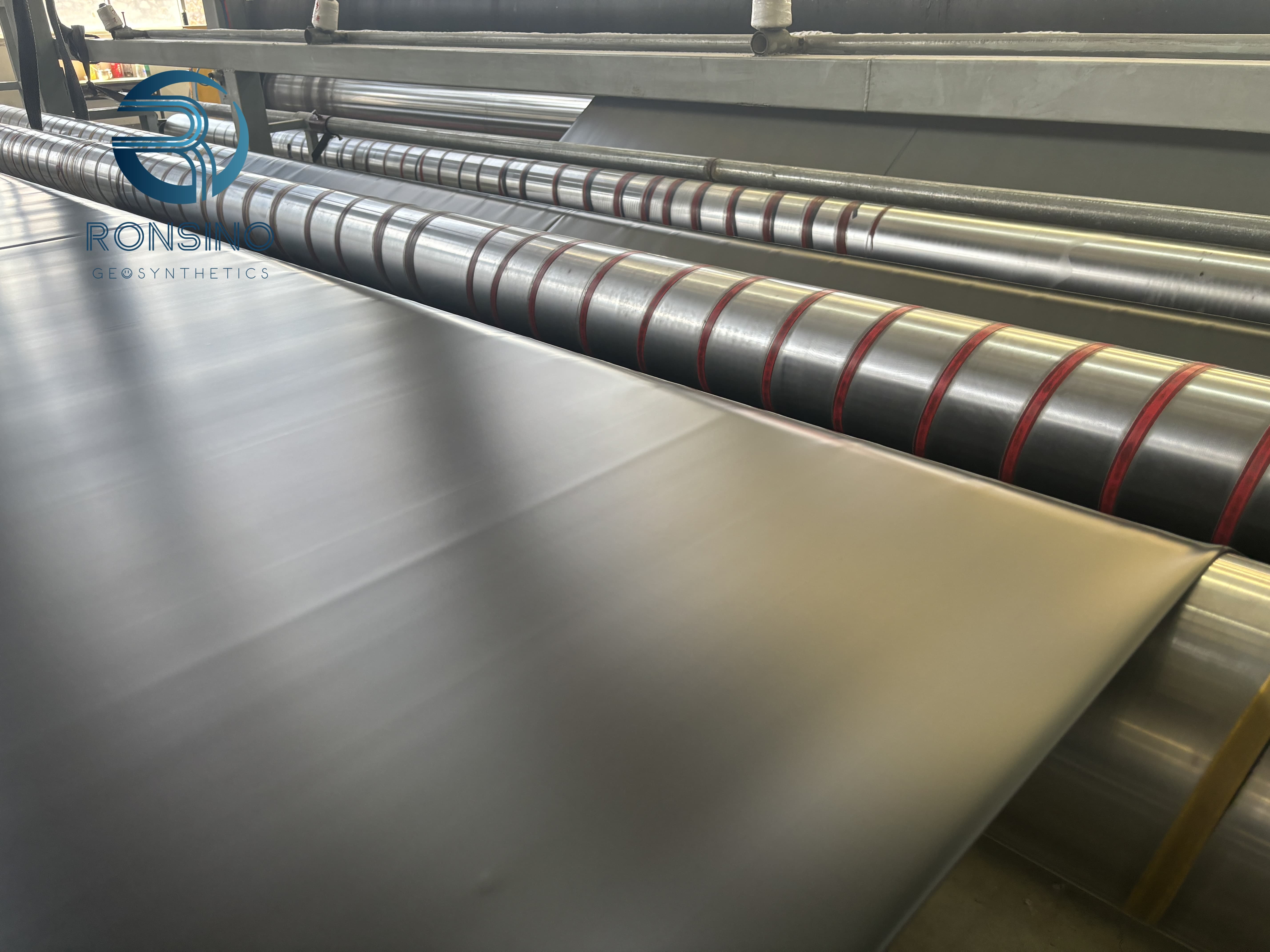
Synthetic membranes are the basic waterproofing material for hydraulic structures and are crucial to maintaining water bodies, preventing pollution and creating an environment. The global market will reach US$3.7 billion in 2025 and is expected to increase to US$5.8 billion in 2035 (compound annual growth rate of 4.6%). The waterscape, agriculture and construction industries need to grasp the market pricing mechanism to optimize resource allocation and increase investment returns.
The raw material cost of pond liner sheets in 2025 is US$0.35 to US$5.00 per square foot (US$3.77 to US$53.82 per square meter), which may rise to US$0.50 to US$6.50 including installation fees, depending on the material type, thickness and project complexity. High-density polyethylene (HDPE) film accounts for about 70% of the market due to its durability and cost-effectiveness, with prices generally ranging from US$0.50 to US$3.00 per square foot. This article provides a comprehensive analysis of pond liner costs based on manufacturer data, industry analysis, and 2025 benchmarks. It covers technical specifications, cases, and strategic recommendations to help readers understand budget estimates, comply with ASTM D7179 and NSF/ANSI 61 standards, and improve pond durability through material selection.
1. What Are Pond Liner Sheets?
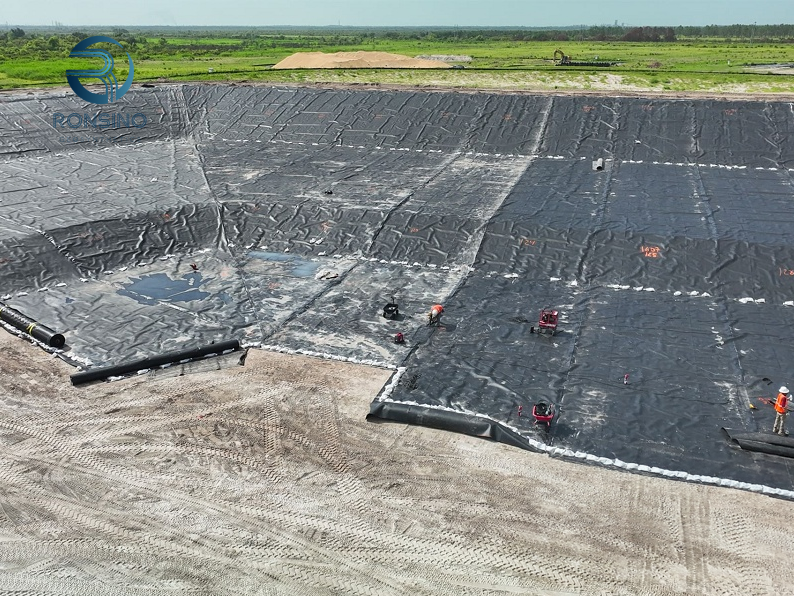
Pond liner membranes are advanced synthetic barriers, meticulously formulated from high-performance polymers to create impermeable enclosures that prevent seepage, maintain water retention, and block subsurface contaminants in aquatic environments. Engineered for diverse applications, they surpass traditional clay or concrete solutions in hydrostatic resistance—often achieving permeability rates below 1 × 10⁻¹⁷ cm/s—and offer superior flexibility, ensuring compliance with stringent environmental regulations set by agencies such as the U.S. Environmental Protection Agency (EPA) and the Food and Agriculture Organization (FAO). Unlike inflexible alternatives, these flexible sheets enable the construction of clean, long-lasting water bodies, reducing evaporation by up to 90% and minimizing ongoing upkeep requirements.
Key Materials and Manufacturing Processes
The fortitude of pond liner sheets emanates from their polymeric constitution, forged via blown-film extrusion, calendering, or scrim reinforcement to procure homogeneous strata and fortified traits. Predominant paradigms include:
High-Density Polyethylene (HDPE): Widespread in 70% of applications, HDPE exhibits a density ranging from 0.94 to 0.97 g/cm³ and is processed via extrusion to achieve tensile yield strengths of 15–40 kN/m (ASTM D6693 Type IV), coupled with elongation rates surpassing 600%. Its exceptional resistance to chemicals across a pH spectrum of 1–14 shields against agrochemicals and effluents, further enhanced by the incorporation of 2–3% carbon black to counteract UV degradation, maintaining 90% performance integrity following 1,600 kJ/m² of irradiation (ASTM D7238).
Ethylene Propylene Diene Monomer (EPDM): A cross-linked rubber material, EPDM provides exceptional flexibility (with a modulus range of 200–400 MPa) and outstanding resistance to ozone degradation (>500 pphm over 168 hours), achieving calendered puncture strength ratings of 400 N as per ASTM D4833. Free from plasticizers, it performs reliably across a broad temperature spectrum, enduring from -40°C to 120°C, making it highly suitable for decorative and exposed applications.
Polyvinyl Chloride (PVC): Plastisol-sourced and calendered, PVC achieves shore hardness of 80–90A and burst strengths of 1,800–2,500 kPa, notwithstanding oxidative thresholds of 50–100 minutes at 150°C (ASTM D5885). Economical, yet reliant on fish-safe iterations to preclude toxic exudates.
Reinforced Polyethylene (RPE): Scrim-infused, RPE escalates tear resistance 2–4 times HDPE benchmarks (>200 N/mm), apt for capacious agrarian vaults with thermal spans from -50°C to 130°C.
Fabrication embeds antioxidants for sustained integrity, with roll archetypes of 4–8 m widths by 100–200 m lengths to attenuate field splices.
Common Applications and Specifications
Pond liner sheets’ versatility suffuses sundry contexts, each attuned to stringent quanta:
Decorative Garden Ponds: 0.5–1.0 mm EPDM delimits seepage by 99.9%, with seam shear >35 N/mm (ASTM D5321) and friction angles 20–30° over underlays. A layered 45 mil EPDM atop geotextile yields impermeability <5 × 10⁻¹² m/s, as in a 500 m² UK koi enclave.
Agricultural Reservoirs: Textured HDPE (1.0–2.0 mm) reinforces inclines under 200 kPa, asperities 0.5–1.0 mm amplifying shear (ASTM D5321). In 2025 Californian irrigation, 60 mil HDPE endured saline fluxes sans erosion.
Fish Aquaculture Ponds: PVC (0.75–1.5 mm) conforms to NSF/ANSI 61 (<0.1 mg/L extractables), hydraulic heads to 110 kPa sans seepage (ASTM D5887).
Erosion-Susceptible Basins: RPE amalgams self-seal perforations, conductivity <10⁻¹⁰ cm/s at 1 m overlay, per USDA precepts.
High-density polyethylene (HDPE) membrane (0.5 mm, ASTM D746 compliant) with break resistance down to -70°C for temporary isolation. The life span of underwater HDPE systems is 20-50 years, and that of exposed PVC structures is 10-30 years (GRI-GM17 and ISO 9001 certified). Despite its higher initial cost, HDPE is more cost-effective in the long term due to its long life and low maintenance, guiding rational containment infrastructure planning.
2.What Is Pond Liner Sheet Price?
Pond liner sheet expenditures in the coming year exhibit fluctuations tied to polymer market instabilities—HDPE raw materials intrinsically linked to ethylene, projected to rise by 7–10% due to constrained production capacities—alongside escalating integration in decorative and farming applications. Essential material costs typically range between $0.40 and $2.50 per square foot, though comprehensive undertakings might escalate to $0.70–$7.00, contingent upon regional stipulations. This analysis, substantiated by 2025 data and geotechnical benchmarks, delivers exhaustive financial assessments.
2.1 Pond Liner Sheet Price – Material Type
Materiel archetype governs 45–65% of fiscal fluctuation, countervailing mechanical excellence against pecuniary moderation.
2.1.1 High-Density Polyethylene (HDPE)
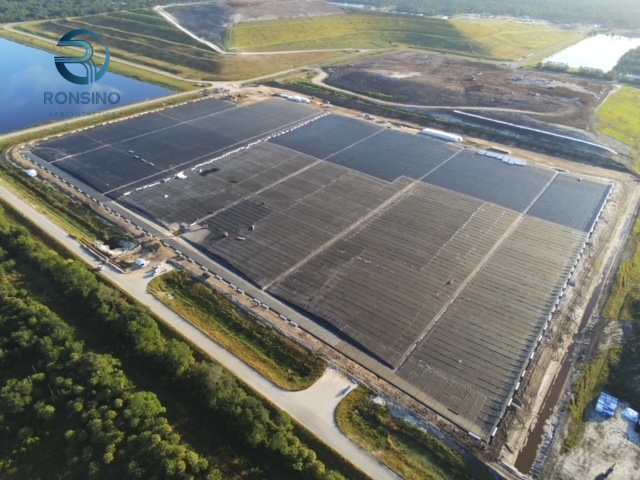
$0.50–$3.00 per square foot ($5.38–$32.29 per square meter), HDPE’s rigidity (modulus >800 MPa) reigns in agrarian vaults, a 1.0 mm lamina proffering 15–35 kN/m tensile and <1 × 10⁻¹² cm/s conductivity. For a 50,000 sq ft reservoir, aggregates $25,000–$150,000; its 99.9% retention (GRI-GM18) ratifies allocation.
2.1.2 Ethylene Propylene Diene Monomer (EPDM)
$0.75–$2.00 per square foot ($8.07–$21.53 per square meter), EPDM’s pliancy (elongation >600%) excels in decorative enclaves, conductivity <5 × 10⁻¹³ cm/s, seam peel >25 N/mm (ASTM D6392). A 20,000 sq ft koi pond: $15,000–$40,000, 15% superior weld fortitude over HDPE.
2.1.3 Polyvinyl Chloride (PVC)
$0.35–$1.50 per square foot ($3.77–$16.15 per square meter), PVC’s malleability (bend radius <5x gauge) suits ancillary fish sumps, 20–30 year cloaked tenures; burst 1,800 kPa. For 30,000 sq ft aquaculture: $10,500–$45,000, innocuous <1 mg/L volatiles per NSF-61.
2.1.4 Reinforced Polyethylene (RPE)
$0.40–$0.90 per square foot ($4.31–$9.69 per square meter), RPE’s reinforcement (2–4x HDPE tear >200 N/mm) befits vast erosion basins, thermal ambit -50°C to 130°C. A 40,000 sq ft agrarian pond: $16,000–$36,000, 40% thermal flux abatement.
HDPE commandeers 70% of deployments for its equipoise.
2.2 Pond Liner Sheet Price – Thickness
Calibrational escalation, 6–12% per 0.1 mm uptick, amplifies volumetric outlays while buttressing resilience.
Thin (0.5–1.0 mm / 20–40 mil): $0.35–$1.10 per square foot ($3.77–$11.84 per square meter). Congruous for petite garden pads, burst 1,200–1,600 kPa; 10,000 sq ft: $3,500–$11,000.
Medium (1.0–2.0 mm / 40–80 mil): $0.70–$2.50 per square foot ($7.53–$26.91 per square meter). Ubiquitous in fish farms, tensile 25–40 kN/m; 60,000 sq ft: $42,000–$150,000 (FAO compliant).
Thick (2.0–3.0 mm / 80–120 mil): $1.50–$5.00 per square foot ($16.15–$53.82 per square meter). For seismic agrarian, puncture >550 N; 100,000 sq ft: $150,000–$500,000, extending 25 years.
Augmented gauges exact scrupulous extrusion, inflating assurance by 12%.
2.3 Pond Liner Sheet Price – Project Size and Scale
Scalar economies attenuate unit fiscal by 20–35% in voluminous commissions, amortizing fixtures.
Small (<10,000 sq ft): $1.00–$4.00 per square foot, encumbered by thresholds; homestead koi: $10,000–$40,000.
Medium (10,000–100,000 sq ft): $0.50–$2.50 per square foot; commercial reservoirs: $50,000–$250,000.
Large (>100,000 sq ft): $0.35–$1.50 per square foot; industrial aquaculture: $35,000–$150,000, tailored 9 m breadths truncating junctions 20%.
A 2025 Australian 150,000 sq ft irrigation realized $0.60/sq ft via tiered rebates.
2.4 Pond Liner Sheet Price – Installation Method and Labor
Deployment comprises 25–50% of aggregates, per pond metrics. Modalities encompass:
Extrusion Welding: $0.40–$1.20 per square foot for HDPE, 450–550°C; adept teams progress 100 m/day, appending $20,000–$60,000 to 50,000 sq ft.
Adhesive Fusion: $0.25–$0.70 per square foot for EPDM/PVC; swift yet shear-fragile (15–25 N/mm).
Mechanical Fixation: $0.20–$0.60 per square foot; bed grading to ±40 mm tolerance inflates 25% on slopes >1:3.
U.S. stipends: $60–$120/hour, overlaps per ASTM D4437 (100–300 mm).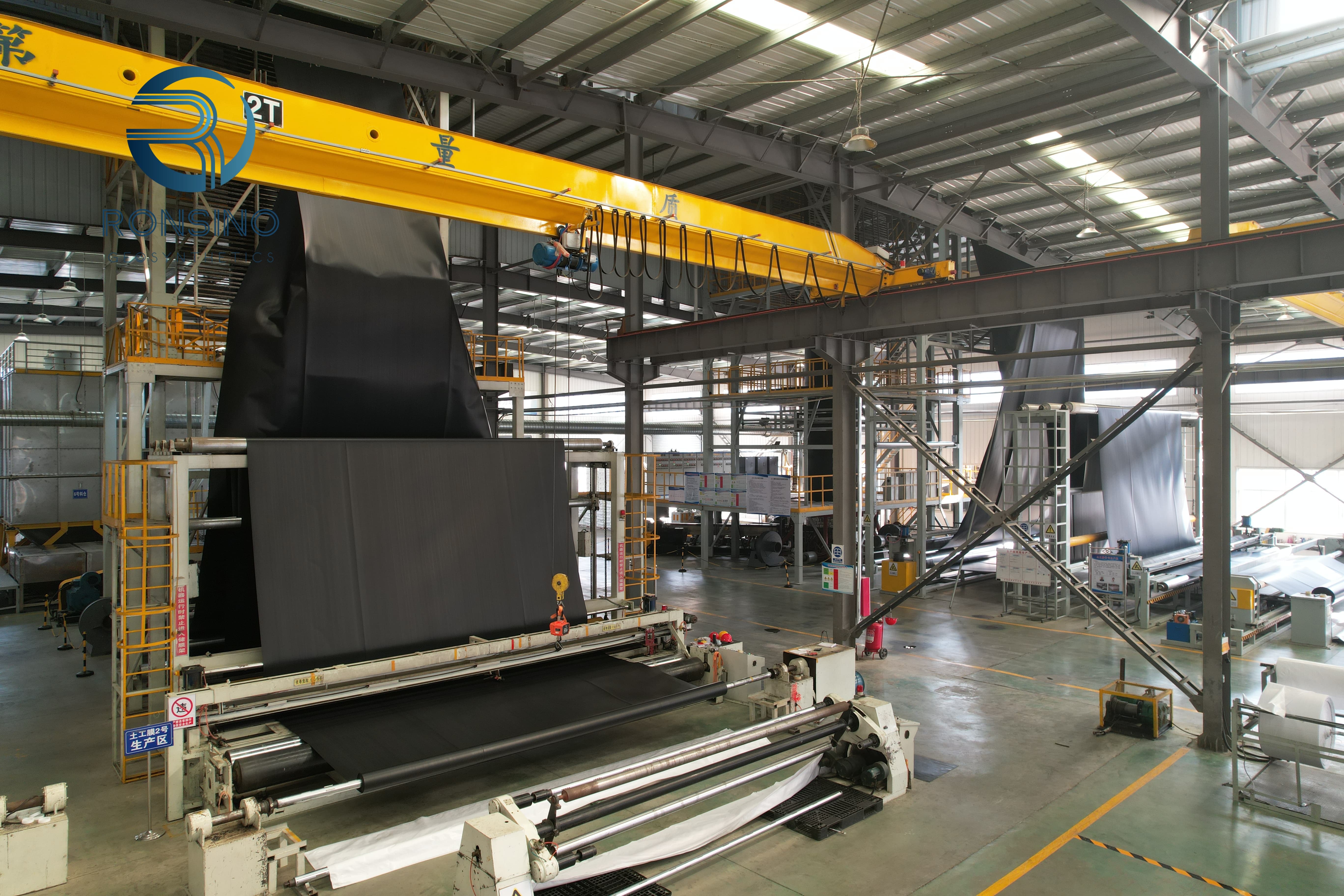
2.5 Pond Liner Sheet Price – Raw Material Quality
Primal resins premium 20–40% over recyclates, proffering 40–70 year spans versus 10–25.
Virgin HDPE: $0.70–$3.20 per square foot, <1.5% stabilizers for oxidation (>200 min/150°C); NSF/ANSI 61 potable.
Recycled Blends: $0.40–$1.50 per square foot, 85% post-use; supplementary roles.
Augmented Variants: $0.10–$0.50 uplift for antistatic layers, elevating detection to 98%.
GRI-GM17 adherence averts breaches costing 5–10x materiel.
2.6 Pond Liner Sheet Price – Transportation and Logistics
Freight accretes $0.05–$0.25 per square foot, rolls to 5 tons via haulers. Domestic: $0.05–$0.10; interregional: $0.15–$0.25, 11% fuel surcharges. Textured EPDM demands cushioned transit, +10%.
2.7 Pond Liner Sheet Price – Maintenance and Lifetime Costs
Annual inspections: $0.01–$0.05 per square foot. HDPE’s 50-year norm amortizes $0.02/sq ft/year, contra PVC’s $0.04. Infraction ameliorations: $5,000–$50,000/incident, accentuating provenance.
3.How to Choose the Right Pond Liner Sheet
Astute selection synchronizes metrics with pond mandates, obviating 15–30% overruns.
3.1 Assess Project Requirements
Calibrate to milieu: 0.75 mm PVC for <50 kPa decorative; 2.0 mm HDPE for agrarian (seep flux). Substratum assays per ASTM D5084 orientate.
3.2 Prioritize Quality and Certifications
Exigency GRI-validated virgins; shun dubious origins, erring 20% more. Destructive seam assays imperative, favoring NSF-61 for aquatics.
3.3 Evaluate Installation Needs
Elect fusibles for gradients; apportion 20% surfeit for manual on rugged terrains.
3.4 Consider Long-Term Costs
Tenure reckoners evince 1.5 mm HDPE economizes $0.30/sq ft over 40 years versus attenuate.
3.5 Compare Suppliers
Elicit tenders from 3–5; appraise indemnities (15–30 years), latencies (4–8 weeks).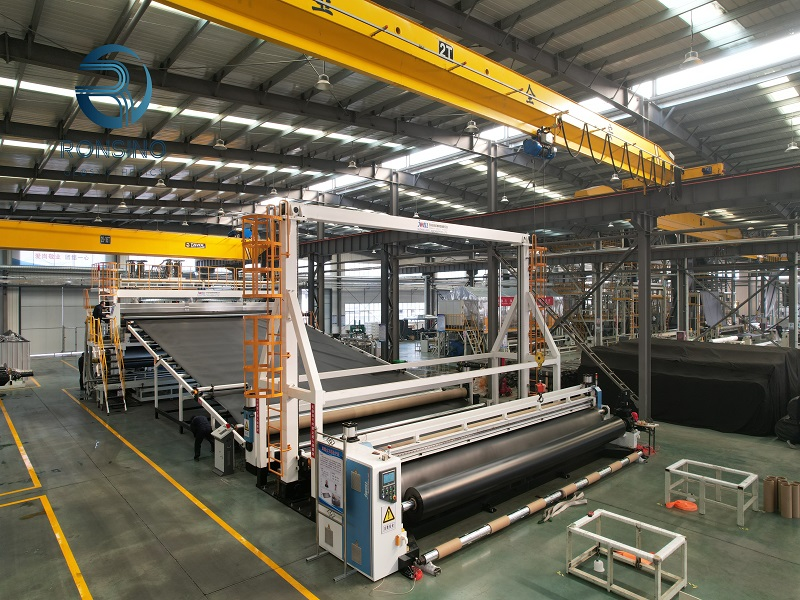
4.Industry Trends Affecting Pond Liner Sheet Price
In 2025, innovative material solutions incorporate recycled components, reducing resource consumption by 15–25% while adhering to stringent environmental, social, and governance regulations. Additionally, reinforced polymer composites add $0.30–$0.80 per square foot to automotive repair costs, enhancing durability. Wider applications (extending to 10 meters) decrease labor expenditures by 25%, though smart IoT-enabled models command a 15–20% premium yet improve monitoring efficiency by 40%. Overcapacity in the Asia-Pacific region drives tariff reductions of 7–10%, with the HDPE segment valued at $1.4 billion and growing at a compound annual rate of 6.8%. Bio-based polymers see a 25% fiscal increase, offset by governmental incentives, while modular designs simplify maintenance procedures by 30%.
5. Conclusion
In 2025, the cost of pond liner sheets ranges from $0.35 to $5.00 per square foot, reflecting a harmonious blend of urgent demands and material advancements. For demanding scenarios, HDPE stands out as the preferred choice, boasting tensile strengths up to 40 kN/m and permeability rates below 10⁻¹⁷ cm/s, ensuring unparalleled containment efficiency without unnecessary extravagance. Empirical assessments, including thickness evaluations and origin verifications, not only adhere to ASTM/GRI standards but also reinforce long-term durability.
For bespoke tenders, engage accredited fabricators. As the sector vaults to $5.8B by 2035, prescient orchestration heralds thrift and sustainability. Procure astutely for perdurable legacies.