Comparing HDPE and PVC Liners for Wastewater Treatment Ponds: Which is the Superior Choice?
Blog · 2026-04-21 · 0 views
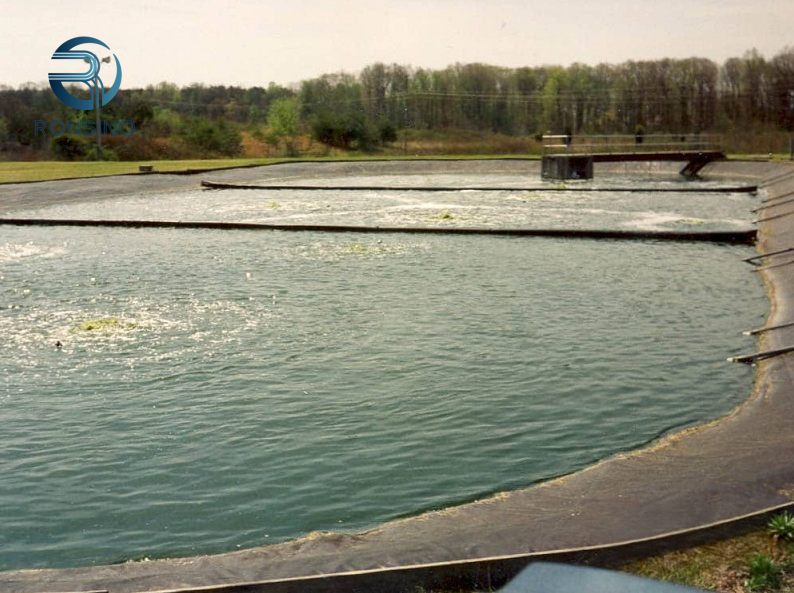
A pond liner for wastewater treatment is a specially designed barrier that prevents polluted liquids from leaking into the surrounding earth and underground water sources. Common materials employed include high-density polyethylene (HDPE) and polyvinyl chloride (PVC), which provide excellent chemical resistance, long-term performance, and ecological safeguards in both urban sewage facilities and industrial effluent containment structures.
Technical Parameters & Specifications
Parameter | HDPE Liner | PVC Liner |
Thickness | 0.5 mm – 2.5 mm | 0.5 mm – 2.0 mm |
Density | ≥ 0.94 g/cm³ | 1.20 – 1.35 g/cm³ |
Tensile Strength | ≥ 25 MPa | ≥ 15 MPa |
Elongation at Break | ≥ 700% | ≥ 300% |
Chemical Resistance | Excellent (acids, alkalis) | Good (limited for hydrocarbons) |
UV Resistance | Excellent | Moderate |
Service Life | 20–30 years | 8–15 years |
HDPE Liner Structure:
High-density polyethylene resin (virgin grade)
Carbon black (2–3%) for UV resistance
Antioxidants and stabilizers
PVC Liner Structure:
Polyvinyl chloride resin
Plasticizers (flexibility enhancement)
Stabilizers and fillers
Manufacturing Process
Raw Material Preparation: Resin selection and additive blending.
Extrusion/Calendering:
HDPE: Blown film or flat die extrusion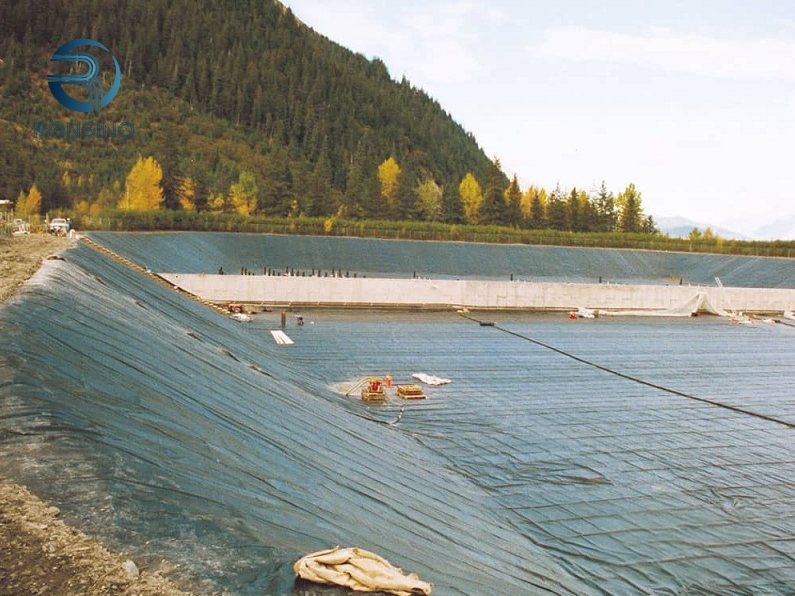
PVC: Calendering process
· Cooling & Shaping: Controlled cooling to ensure uniform thickness.
· Surface Treatment: Texturing (optional for slope stability).
· Quality Inspection: Thickness, tensile strength, pinhole testing.
· Roll Packaging: Standard rolls for transport and installation.
· Industry Comparison: HDPE vs PVC for Wastewater Treatment Pond
Criteria | HDPE | PVC |
Durability | ★★★★★ | ★★★☆☆ |
Flexibility | ★★★☆☆ | ★★★★★ |
Chemical Resistance | ★★★★★ | ★★★☆☆ |
Installation Complexity | Higher (welding required) | Lower (easy seaming) |
Cost (Material) | Medium | Lower |
Lifecycle Cost | Low | Medium–High |
Application Scenarios
EPC Contractors: Large-scale municipal wastewater lagoons requiring long lifespan.
Industrial Plants: Chemical, mining, and food processing wastewater containment.
Distributors: Standardized liner supply for regional infrastructure projects.
Developers: Environmental compliance for wastewater storage ponds.
Core Pain Points & Solutions
Leakage Risk: HDPE provides superior impermeability; recommend ≥1.5 mm thickness.
Chemical Degradation: Use HDPE for aggressive wastewater (high pH or solvents).
Installation Errors: Employ certified welding technicians and testing (vacuum box).
Short Service Life: Avoid low-grade PVC in UV-exposed environments.
Risk Warnings & Mitigation
Improper subgrade preparation may cause puncture → Use geotextile cushioning.
Thermal expansion in HDPE → Allow expansion joints during installation.
PVC plasticizer migration → Avoid long-term exposure to hydrocarbons.
Low-quality raw materials → Require third-party testing reports.
Procurement & Selection Guide
Define wastewater chemical composition.
Select liner type (HDPE preferred for harsh conditions).
Determine thickness (≥1.0 mm standard, ≥1.5 mm industrial).
Check compliance (GRI GM13 for HDPE).
Evaluate supplier certifications (ISO, CE).
Request welding and installation support.
Compare lifecycle cost, not just material price.
Engineering Case Study
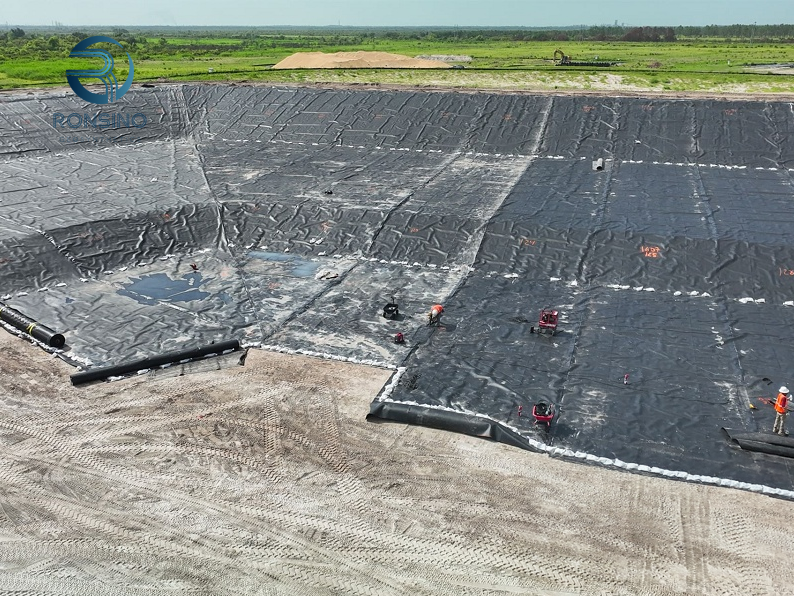
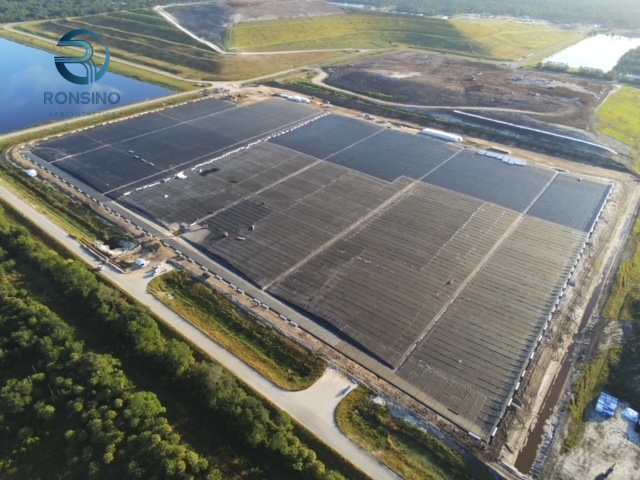
The 50,000 m³/day sewage treatment plant uses 1.5mm HDPE membrane and hot-melt laying of 35,000 m². It has no leakage and aging for 5 years, and its durability is better than PVC. Material selection focuses on chemical resistance and strength, and vacuum/spark testing ensures quality. The system adapts to seasonal load changes and requires less maintenance. HDPE's lifespan and cost are superior to PVC, making it a model for water projects. Thickness testing shows strong resistance to sewage, weak acidity, and slight wear.
Call to Action (CTA)
For comprehensive technical specifications, tailored project proposals, or to inquire about product samples and pricing details, please reach out to our technical support specialists. Our team offers bespoke lining system designs, professional welding consultation services, and complete engineering assistance for water purification infrastructure projects.
E-E-A-T: Authoritative Expertise
With over a decade of expertise, our team delivers global geomembrane and wastewater solutions for municipalities, mining, and industries, ensuring compliance and sustainability. We offer innovative containment systems, covering the full lifecycle—from material selection to installation and monitoring. This guide provides efficient, eco-friendly solutions for diverse climates and applications, backed by practical expertise and research.