Choosing The Right Geomembrane for Your Shrimp Pond
Blog · 2026-06-27 · 0 views
1. Why Choose Geomembrane for Shrimp Farm?
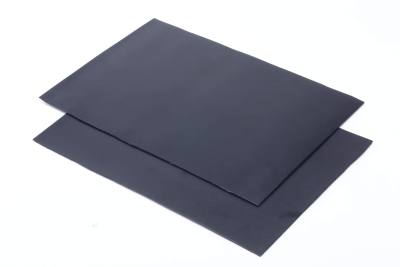
Engineered geomembrane systems have transformed modern shrimp aquaculture by addressing core challenges tied to water regulation and biosafety measures. RONSINO Geosynthetics’ custom-tailored geomembranes for shrimp farming operations offer purpose-built engineering solutions that directly enhance production efficiency levels as well as support environmental sustainability goals.
1.1 Superior Water Containment Performance
· Zero permeability eliminates water loss due to seepage.
· Maintains a stable water level regardless of changes in soil conditions.
· Completely isolates the risk of cross-contamination from groundwater.
1.2 Advanced Material Engineering
· High-salt environment adaptation formula
It can withstand the erosion of sodium chloride salt water with a maximum concentration of 35 ppt, adapting to the corrosion protection needs of special application scenarios such as coastal areas and high saline-alkali.
· Anti-UV stable modified compounds
Developed in response to the environmental characteristics of tropical climates with strong sunshine, high temperature and high humidity, it maintains stable material performance for a long time and greatly increases the service life in extreme climates.
· Special functional additives for inhibiting algae
Adding highly effective anti-algae ingredients can effectively inhibit the attachment and growth of algae on the material surface, significantly reducing the frequency and cost of subsequent cleaning, operation and maintenance.
1.3 Enhanced Biosecurity Protection
· Forms an all-round protective shield that completely blocks the invasion of pathogens present in the soil.
· Effectively avoids cross-contamination caused by various production activities in adjacent farm plots.
· Enables thorough and comprehensive disinfection treatment during the interval between two production cycles.
2. How to Choose the Right Geomembrane for Shrimp Farm?
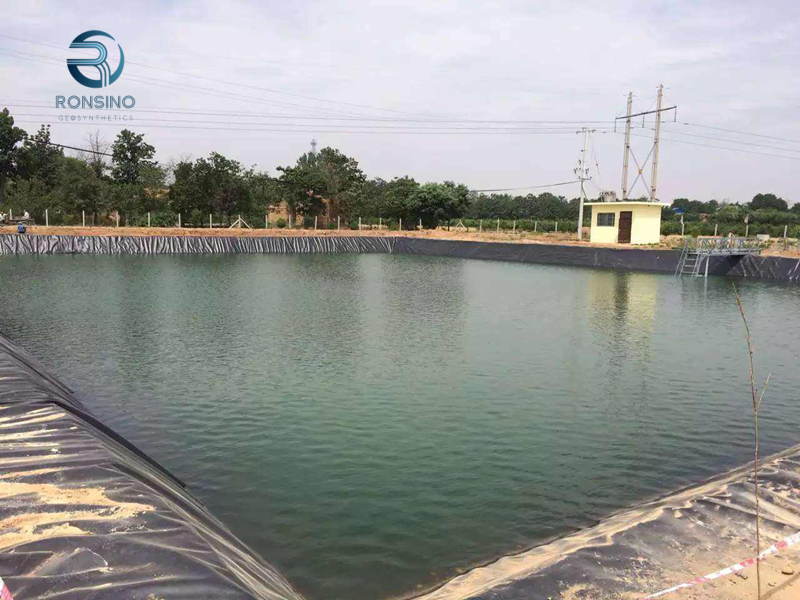
Selecting the appropriate geomembrane tailored to shrimp aquaculture operations demands comprehensive assessment of a diverse array of technical indicators and actual operation-related factors. A scientifically sound choice exerts a far-reaching influence on the efficiency of aquaculture water regulation and control, the stability of shrimp growth status and disease resistance, as well as the sustained profitability of the farm over its entire operation cycle.
2.1 Geomembrane for Shrimp Farm – Material Quality Considerations
2.1.1 Polymer Composition
HDPE (High-Density Polyethylene): Best for large-scale operations requiring maximum durability (0.75mm-2.0mm thickness)
LLDPE (Linear Low-Density Polyethylene): Superior flexibility for uneven subgrades (0.5mm-1.5mm thickness)
PVC (Polyvinyl Chloride): Ideal for complex shapes and repairs (0.75mm-1.2mm thickness)
2.1.2 Quality Certifications
NSF/ANSI 61 certification for potable water contact
UV resistance testing per ASTM D7238
Tensile strength exceeding 20MPa (ASTM D6693)
2.2 Geomembrane for Shrimp Farm – Site-Specific Evaluation Criteria
2.2.1 Geographic Conditions
· Tropical climate environment: There are specific regulations and requirements for formulas with UV stabilization properties and containing 2.5%-3% carbon black;
· When used in areas with high salinity, it is appropriate to use a special formula system specially developed to resist salt corrosion;
· As for the monsoon-prone areas, there is a clear and strong demand for the strength enhancement of the edge anchoring system, and the system is required to be fully reinforced to meet the actual application conditions.
2.2.2 Soil Characteristics
· Clay soils: Minimum 0.75mm thickness recommended
· Sandy soils: Require geotextile underlayment
· Rocky substrates: Need puncture-resistant grades
2.3 Geomembrane for Shrimp Farm – Operational Requirements
2.3.1 Production Scale
· Small ponds (<1ha): 0.75mm LLDPE often sufficient
· Medium operations (1-5ha): 1.0mm HDPE recommended
· Large farms (>5ha): 1.5mm reinforced HDPE preferable
2.3.2 Stocking Density
· Extensive systems: Standard 0.5mm material may suffice
· Semi-intensive: Minimum 0.75mm with added UV protection
· Intensive systems: 1.0mm+ with food-grade additives
2.4 Geomembrane for Shrimp Farm – Supplier Evaluation Parameters
2.4.1 Technical Capabilities
· Custom formulation expertise
· On-site welding crews availability
· Leak detection technology offerings
2.4.2 Industry Experience
· Minimum 5 years in aquaculture projects
· Reference farms with similar conditions
· Case studies demonstrating longevity
2.4.3 Support Services
· Engineering design assistance
· Installation supervision
· Maintenance training programs
2.5 Geomembrane for Shrimp Farm – Cost-Benefit Analysis
2.5.1 Initial Investment
· Material cost per square meter
· Installation expenses
· Ancillary components (anchors, fittings)
2.5.2 Operational Savings
· Water conservation (20-40% reduction)
· Reduced disease treatment costs
· Longer lifespan (premium grades last 15-20 years)
2.6 Geomembrane for Shrimp Farm – Implementation Best Practices
· Conduct comprehensive site assessment
· Test water chemistry and soil samples
· Verify supplier quality control processes
· Insist on certified installation crews
· Implement regular inspection protocol
The ideal choice of geomembranes strikes a careful balance between technical needs and budgetary constraints.High-quality products from trusted manufacturers often provide better long-term value even though their upfront expenses are greater.Agricultural producers ought to focus on options which tackle their unique environmental issuesand agricultural output objectives.
2.7 Geomembrane for Shrimp Farm – Different Type
2.7.1 Smooth Surface: Excellent impermeability, ideal for pond bases.
Application Scenarios
Aquaculture Field: Suitable for waterproof lining construction of various seawater and freshwater aquaculture sites, including prawn breeding ponds, conventional fish farming ponds, and other intensive aquaculture water storage facilities.
Mining Industry: Applicable to multiple working scenarios such as ore washing ponds, heap leaching operation ponds, ash storage yards, dissolving and sedimentation treatment ponds, tailings reservoir bottom anti-seepage lining and other mining supporting facilities.
Landscaping Sector: Can be used for waterproof engineering of natural river regulation projects, water storage reservoirs, artificial scenic lakes, golf course landscape ponds, as well as waterproof and moisture-proof treatment of artificial lawn laying bases.
Salt Production Industry: Ideal for anti-seepage construction of salt farm crystallization ponds, brine collection ponds and other special facilities in the salt making process.
2.7.2 Textured Surface: High friction coefficient, suitable for slope stabilization.
Application Scenarios
Oil and gas field: Large chemical plant areas, petroleum refineries, crude oil storage tank areas and other related facilities can be used.
In the field of solid and liquid waste treatment: the paving of landfill areas, the construction of sewage treatment plant stations, and industrial and medical waste treatment sites all require the use of such materials for anti-seepage operations.
Water conservancy project construction projects include the following aspects: river embankment systems, lake embankment construction processes, various tailings storage dams, sewage retention areas and reservoir engineering bodies; in addition, it is also widely used in many aspects such as the construction of water transmission channels, the construction of vertical retaining wall structures and even the implementation of seepage control measures in slope protection.
2.7.3 Composite Geomembrane:
Combines the mechanical strength of geotextiles with uniform film thickness, significantly enhancing impermeability.
Applied to waterproofing lining of dam or canal andanti-pollution of waste plant.
3. What other applications does Geomembrane for Shrimp Farm have?
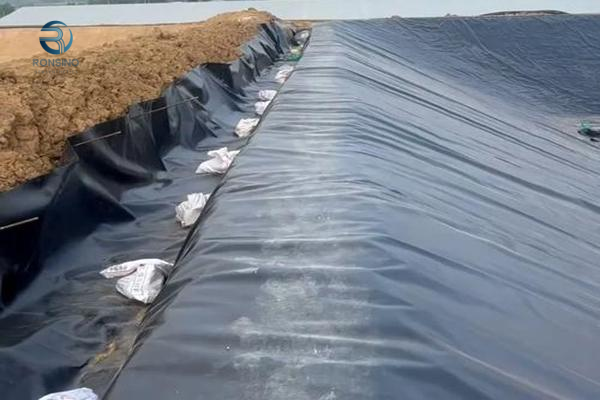
When high-density polyethylene geomembrane is used in shrimp farming, its functions far exceed the core purpose of intensive farming. In water storage and diversion projects, it is widely used in artificial reservoirs, cisterns, irrigation pipe networks, etc., to improve water resource utilization efficiency by blocking water seepage; in the field of ecological environment management, it is a reliable anti-seepage lining for landfills, sewage treatment plants, and hazardous waste disposal sites, which can cut off the migration paths of pollutants and avoid surrounding soil layers and underground aquifers. Pollution; In the industrial field, as a secondary leakage protection layer in oil storage tank areas and chemical operation areas, it can prevent environmental risks caused by the leakage of oil and hazardous chemicals; in agricultural production, it is often used as the lining of silage fermentation tanks and livestock and poultry manure storage tanks to effectively prevent the leakage of nutrient leachate, which not only avoids the loss of organic fertilizers, but also prevents non-point source pollution. This geomembrane also has the advantages of long service life, resistance to acid and alkali corrosion, and strong anti-seepage properties. It is widely used in civil engineering projects such as tunnel waterproofing, anti-seepage lining of water diversion channels, and rainwater collection and treatment. In the construction of leisure landscapes, it can be used as the lining of artificial landscape lakes and waterscape facilities to maintain stable water levels, avoid affecting the surrounding soil, and take into account both aesthetics and environmental benefits.
4. Our Solution: Why Choose Our Geomembranes?
As your trusted geomembrane partner, we deliver:
High-performance HDPE membranes (0.2-3.0mm thickness range)
Professional technical support (including welding guidance)
Globally certified, safety-compliant solutions
Customized project solutions from design to installation
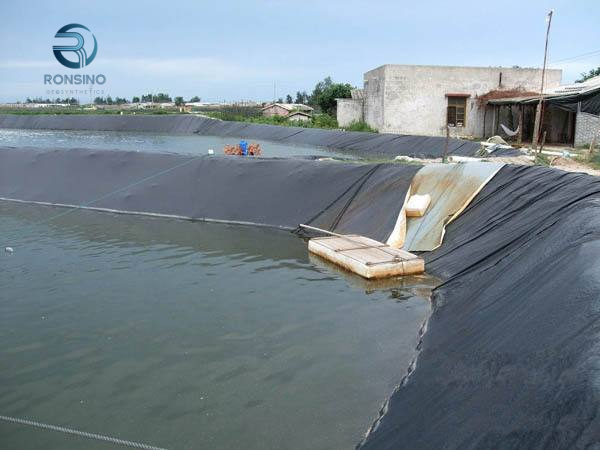
RONSINO smooth geomembrane is made of high-quality new polyethylene raw materials as the production base, and is refined with a scientific proportion of carbon black, antioxidant components, anti-aging components and ultraviolet resistance additives.
RONSINO is equipped with industry-leading fully automatic film blowing production lines and flat mold production lines, and its production technology has reached the industry's advanced level.
The geomembranes we produce can play an efficient anti-seepage barrier role in various engineering projects, and can stably adapt to the waterproof protection needs of different scenarios.
RONSINO can provide many types of geomembrane products such as smooth, rough, and composite. The color options cover black, white, green, blue and other colors, which can fully meet the differentiated customization needs of customers.
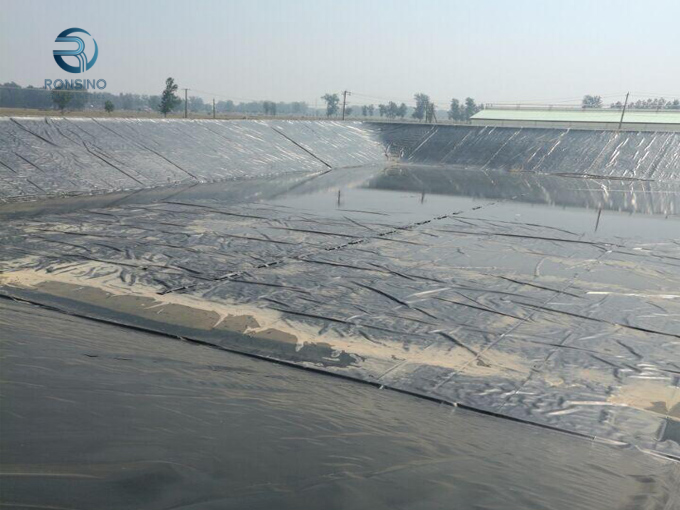
5. Project Case Study: Ecuador Shrimp Farm Development
Client Profile: A novice agricultural developer in need of full technical assistance throughout the project lifecycle.
Challenge: Required end-to-end expert guidance starting from the conceptual and planning stages.
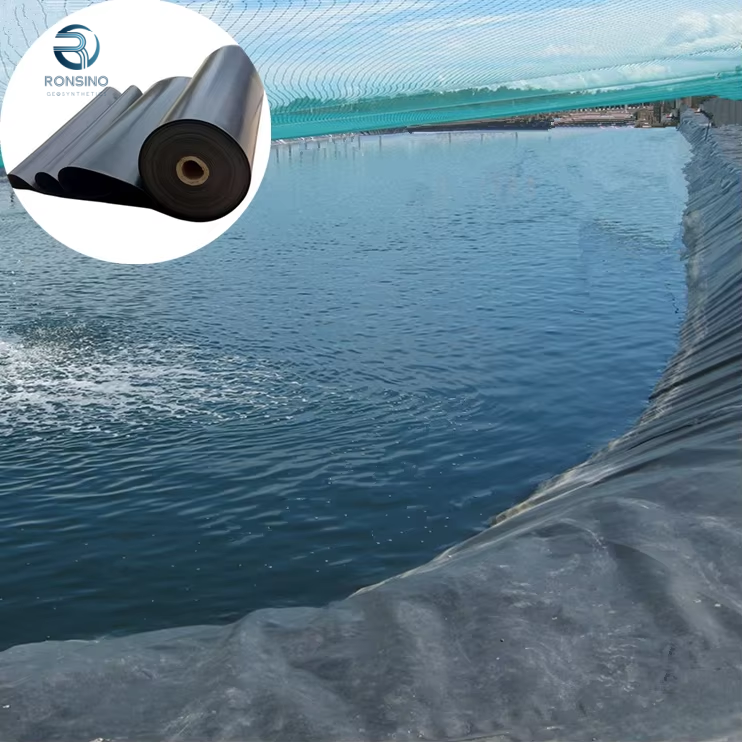
Solution: Implemented a 1.0mm high-density polyethylene (HDPE) geomembrane as the core liner for water containment.
Result: Achieved seamless project delivery along with enhanced and efficient water resource management.
This case highlights how an appropriately selected geomembrane system, supported by professional expertise, can effectively convert an initial venture into a thriving and environmentally sustainable aquaculture enterprise.
6. About RONSINO Geosynthetics
RONSINO Geosynthetics, a leading manufacturer and supplier of geomembranes and geotextiles, boasts over thirteen years of professional experience and is committed to providing global customers with competitive factory-direct prices and large-scale wholesale supply. The RONSINO brand encompasses a wide range of geosynthetic products, including geotextiles, geomembranes, geocells, geogrids, bentonite geomembranes (GCLs), drainage system products, and various customized engineering materials, widely used in environmental engineering, civil engineering, and mining. We are committed to product innovation and quality assurance, and consider customer satisfaction a lasting commitment to our global partners. We look forward to cooperating with you.
Engineered geomembrane systems have transformed modern shrimp aquaculture by addressing core challenges tied to water regulation and biosafety measures. RONSINO Geosynthetics’ custom-tailored geomembranes for shrimp farming operations offer purpose-built engineering solutions that directly enhance production efficiency levels as well as support environmental sustainability goals.
1.1 Superior Water Containment Performance
· Zero permeability eliminates water loss due to seepage.
· Maintains a stable water level regardless of changes in soil conditions.
· Completely isolates the risk of cross-contamination from groundwater.
1.2 Advanced Material Engineering
· High-salt environment adaptation formula
It can withstand the erosion of sodium chloride salt water with a maximum concentration of 35 ppt, adapting to the corrosion protection needs of special application scenarios such as coastal areas and high saline-alkali.
· Anti-UV stable modified compounds
Developed in response to the environmental characteristics of tropical climates with strong sunshine, high temperature and high humidity, it maintains stable material performance for a long time and greatly increases the service life in extreme climates.
· Special functional additives for inhibiting algae
Adding highly effective anti-algae ingredients can effectively inhibit the attachment and growth of algae on the material surface, significantly reducing the frequency and cost of subsequent cleaning, operation and maintenance.
1.3 Enhanced Biosecurity Protection
· Forms an all-round protective shield that completely blocks the invasion of pathogens present in the soil.
· Effectively avoids cross-contamination caused by various production activities in adjacent farm plots.
· Enables thorough and comprehensive disinfection treatment during the interval between two production cycles.
2. How to Choose the Right Geomembrane for Shrimp Farm?
Selecting the appropriate geomembrane tailored to shrimp aquaculture operations demands comprehensive assessment of a diverse array of technical indicators and actual operation-related factors. A scientifically sound choice exerts a far-reaching influence on the efficiency of aquaculture water regulation and control, the stability of shrimp growth status and disease resistance, as well as the sustained profitability of the farm over its entire operation cycle.
2.1 Geomembrane for Shrimp Farm – Material Quality Considerations
2.1.1 Polymer Composition
HDPE (High-Density Polyethylene): Best for large-scale operations requiring maximum durability (0.75mm-2.0mm thickness)
LLDPE (Linear Low-Density Polyethylene): Superior flexibility for uneven subgrades (0.5mm-1.5mm thickness)
PVC (Polyvinyl Chloride): Ideal for complex shapes and repairs (0.75mm-1.2mm thickness)
2.1.2 Quality Certifications
NSF/ANSI 61 certification for potable water contact
UV resistance testing per ASTM D7238
Tensile strength exceeding 20MPa (ASTM D6693)
2.2 Geomembrane for Shrimp Farm – Site-Specific Evaluation Criteria
2.2.1 Geographic Conditions
· Tropical climate environment: There are specific regulations and requirements for formulas with UV stabilization properties and containing 2.5%-3% carbon black;
· When used in areas with high salinity, it is appropriate to use a special formula system specially developed to resist salt corrosion;
· As for the monsoon-prone areas, there is a clear and strong demand for the strength enhancement of the edge anchoring system, and the system is required to be fully reinforced to meet the actual application conditions.
2.2.2 Soil Characteristics
· Clay soils: Minimum 0.75mm thickness recommended
· Sandy soils: Require geotextile underlayment
· Rocky substrates: Need puncture-resistant grades
2.3 Geomembrane for Shrimp Farm – Operational Requirements
2.3.1 Production Scale
· Small ponds (<1ha): 0.75mm LLDPE often sufficient
· Medium operations (1-5ha): 1.0mm HDPE recommended
· Large farms (>5ha): 1.5mm reinforced HDPE preferable
2.3.2 Stocking Density
· Extensive systems: Standard 0.5mm material may suffice
· Semi-intensive: Minimum 0.75mm with added UV protection
· Intensive systems: 1.0mm+ with food-grade additives
2.4 Geomembrane for Shrimp Farm – Supplier Evaluation Parameters
2.4.1 Technical Capabilities
· Custom formulation expertise
· On-site welding crews availability
· Leak detection technology offerings
2.4.2 Industry Experience
· Minimum 5 years in aquaculture projects
· Reference farms with similar conditions
· Case studies demonstrating longevity
2.4.3 Support Services
· Engineering design assistance
· Installation supervision
· Maintenance training programs
2.5 Geomembrane for Shrimp Farm – Cost-Benefit Analysis
2.5.1 Initial Investment
· Material cost per square meter
· Installation expenses
· Ancillary components (anchors, fittings)
2.5.2 Operational Savings
· Water conservation (20-40% reduction)
· Reduced disease treatment costs
· Longer lifespan (premium grades last 15-20 years)
2.6 Geomembrane for Shrimp Farm – Implementation Best Practices
· Conduct comprehensive site assessment
· Test water chemistry and soil samples
· Verify supplier quality control processes
· Insist on certified installation crews
· Implement regular inspection protocol
The ideal choice of geomembranes strikes a careful balance between technical needs and budgetary constraints.High-quality products from trusted manufacturers often provide better long-term value even though their upfront expenses are greater.Agricultural producers ought to focus on options which tackle their unique environmental issuesand agricultural output objectives.
2.7 Geomembrane for Shrimp Farm – Different Type
2.7.1 Smooth Surface: Excellent impermeability, ideal for pond bases.
Application Scenarios
Aquaculture Field: Suitable for waterproof lining construction of various seawater and freshwater aquaculture sites, including prawn breeding ponds, conventional fish farming ponds, and other intensive aquaculture water storage facilities.
Mining Industry: Applicable to multiple working scenarios such as ore washing ponds, heap leaching operation ponds, ash storage yards, dissolving and sedimentation treatment ponds, tailings reservoir bottom anti-seepage lining and other mining supporting facilities.
Landscaping Sector: Can be used for waterproof engineering of natural river regulation projects, water storage reservoirs, artificial scenic lakes, golf course landscape ponds, as well as waterproof and moisture-proof treatment of artificial lawn laying bases.
Salt Production Industry: Ideal for anti-seepage construction of salt farm crystallization ponds, brine collection ponds and other special facilities in the salt making process.
2.7.2 Textured Surface: High friction coefficient, suitable for slope stabilization.
Application Scenarios
Oil and gas field: Large chemical plant areas, petroleum refineries, crude oil storage tank areas and other related facilities can be used.
In the field of solid and liquid waste treatment: the paving of landfill areas, the construction of sewage treatment plant stations, and industrial and medical waste treatment sites all require the use of such materials for anti-seepage operations.
Water conservancy project construction projects include the following aspects: river embankment systems, lake embankment construction processes, various tailings storage dams, sewage retention areas and reservoir engineering bodies; in addition, it is also widely used in many aspects such as the construction of water transmission channels, the construction of vertical retaining wall structures and even the implementation of seepage control measures in slope protection.
2.7.3 Composite Geomembrane:
Combines the mechanical strength of geotextiles with uniform film thickness, significantly enhancing impermeability.
Applied to waterproofing lining of dam or canal andanti-pollution of waste plant.
3. What other applications does Geomembrane for Shrimp Farm have?
When high-density polyethylene geomembrane is used in shrimp farming, its functions far exceed the core purpose of intensive farming. In water storage and diversion projects, it is widely used in artificial reservoirs, cisterns, irrigation pipe networks, etc., to improve water resource utilization efficiency by blocking water seepage; in the field of ecological environment management, it is a reliable anti-seepage lining for landfills, sewage treatment plants, and hazardous waste disposal sites, which can cut off the migration paths of pollutants and avoid surrounding soil layers and underground aquifers. Pollution; In the industrial field, as a secondary leakage protection layer in oil storage tank areas and chemical operation areas, it can prevent environmental risks caused by the leakage of oil and hazardous chemicals; in agricultural production, it is often used as the lining of silage fermentation tanks and livestock and poultry manure storage tanks to effectively prevent the leakage of nutrient leachate, which not only avoids the loss of organic fertilizers, but also prevents non-point source pollution. This geomembrane also has the advantages of long service life, resistance to acid and alkali corrosion, and strong anti-seepage properties. It is widely used in civil engineering projects such as tunnel waterproofing, anti-seepage lining of water diversion channels, and rainwater collection and treatment. In the construction of leisure landscapes, it can be used as the lining of artificial landscape lakes and waterscape facilities to maintain stable water levels, avoid affecting the surrounding soil, and take into account both aesthetics and environmental benefits.
4. Our Solution: Why Choose Our Geomembranes?
As your trusted geomembrane partner, we deliver:
High-performance HDPE membranes (0.2-3.0mm thickness range)
Professional technical support (including welding guidance)
Globally certified, safety-compliant solutions
Customized project solutions from design to installation
RONSINO smooth geomembrane is made of high-quality new polyethylene raw materials as the production base, and is refined with a scientific proportion of carbon black, antioxidant components, anti-aging components and ultraviolet resistance additives.
RONSINO is equipped with industry-leading fully automatic film blowing production lines and flat mold production lines, and its production technology has reached the industry's advanced level.
The geomembranes we produce can play an efficient anti-seepage barrier role in various engineering projects, and can stably adapt to the waterproof protection needs of different scenarios.
RONSINO can provide many types of geomembrane products such as smooth, rough, and composite. The color options cover black, white, green, blue and other colors, which can fully meet the differentiated customization needs of customers.
5. Project Case Study: Ecuador Shrimp Farm Development
Client Profile: A novice agricultural developer in need of full technical assistance throughout the project lifecycle.
Challenge: Required end-to-end expert guidance starting from the conceptual and planning stages.
Solution: Implemented a 1.0mm high-density polyethylene (HDPE) geomembrane as the core liner for water containment.
Result: Achieved seamless project delivery along with enhanced and efficient water resource management.
This case highlights how an appropriately selected geomembrane system, supported by professional expertise, can effectively convert an initial venture into a thriving and environmentally sustainable aquaculture enterprise.
6. About RONSINO Geosynthetics
RONSINO Geosynthetics, a leading manufacturer and supplier of geomembranes and geotextiles, boasts over thirteen years of professional experience and is committed to providing global customers with competitive factory-direct prices and large-scale wholesale supply. The RONSINO brand encompasses a wide range of geosynthetic products, including geotextiles, geomembranes, geocells, geogrids, bentonite geomembranes (GCLs), drainage system products, and various customized engineering materials, widely used in environmental engineering, civil engineering, and mining. We are committed to product innovation and quality assurance, and consider customer satisfaction a lasting commitment to our global partners. We look forward to cooperating with you.