Choose the best GCL liner for your geosynthetic engineering projects
Blog · 2026-08-01 · 0 views
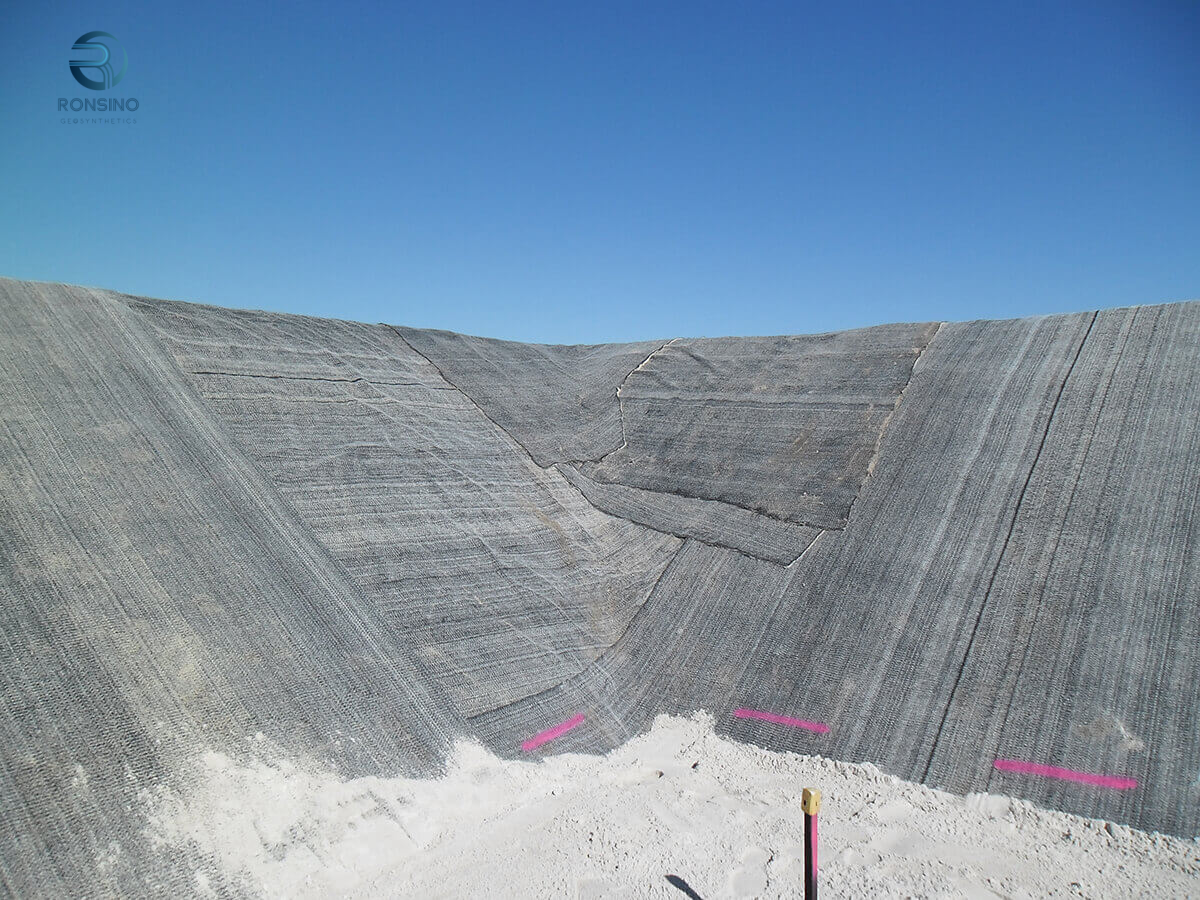
With the continued expansion of global infrastructure construction and environmental engineering, geosynthetic clay mats (GCLs) are gaining increasing attention due to their superior impermeability and ease of construction. Currently, these materials are widely used in landfill linings, mine tailings dams, artificial lake construction, tunnel engineering systems, water conservancy facilities, and various enclosure and retaining structures.
The market offers a wide variety of geosynthetic clay mat products with varying performance characteristics. For designers, engineers, and procurement professionals, selecting the most suitable product type and specifications for a specific project often presents a significant challenge.
Authored by RONSINO Geosynthetics, a foremost geosynthetic materials producer based in China, this article delves into the critical criteria for selecting GCLs, empowering global purchasers to arrive at well-considered choices from a foreign trade viewpoint.
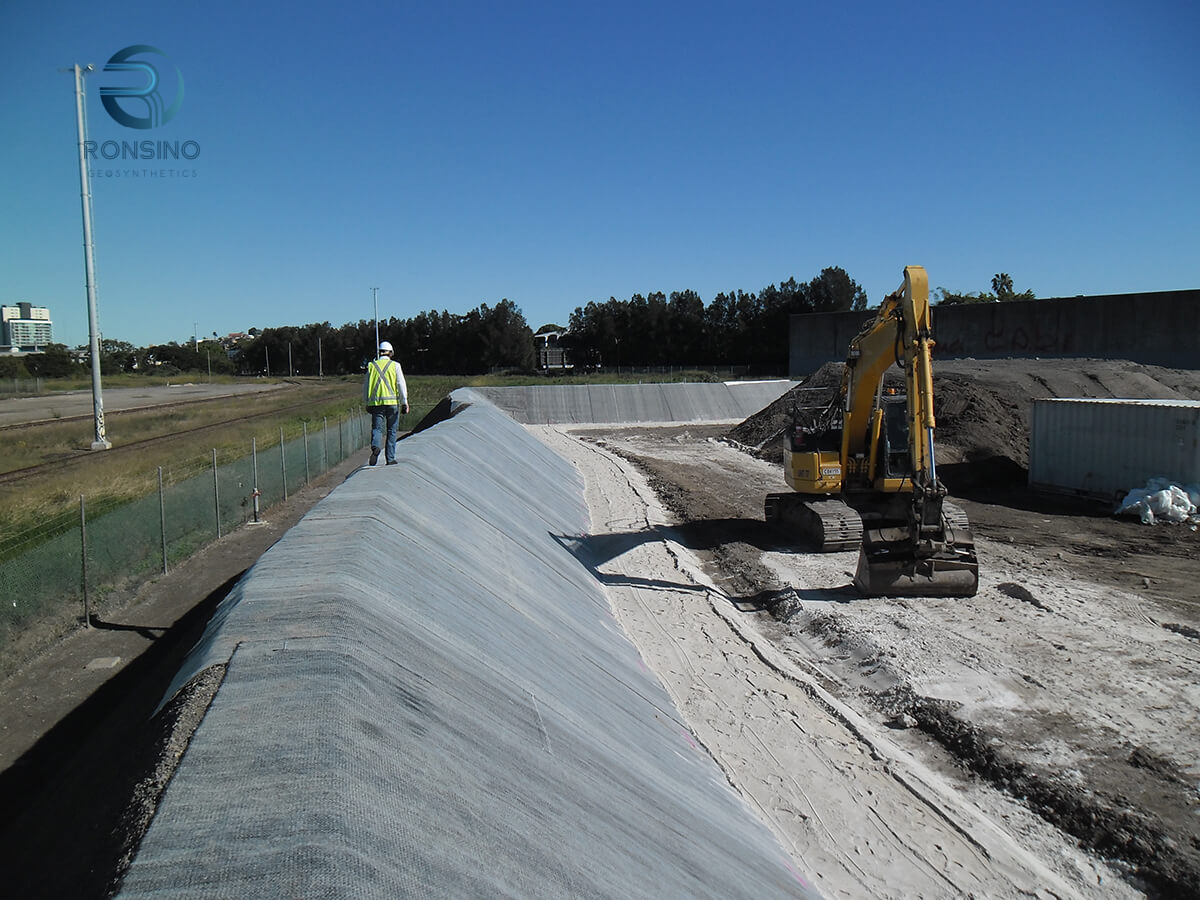
1. What is GCL and Why is it Important?
Geosynthetic Clay Liner, commonly abbreviated as GCL, is a high-performance composite geosynthetic material formed by encapsulating high-purity natural sodium bentonite between two layers of geotextile, with the upper layer usually adopting a permeable nonwoven fabric and the lower layer a high-strength woven fabric. The upper and lower geotextile layers and the middle bentonite filling are firmly integrated through a needle-punching penetration process, or a combination of needle-punching reinforcement and environmentally friendly adhesive bonding, to ensure the structural stability of the product under various stress conditions.
Core Advantages:
Superior Impermeability: Bentonite, after being activated by water, undergoes an expansion reaction (up to 10 mm thick) to form a dense gel layer structure with a permeability coefficient as low as 1×10⁻⁹ cm/s.
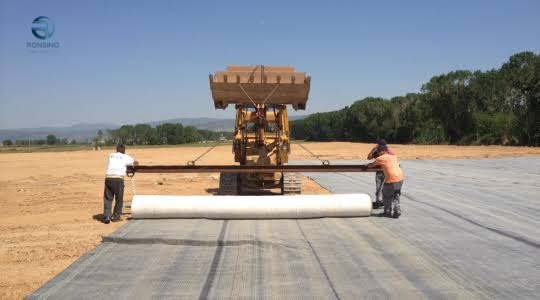
Convenient Construction: The product is lightweight and comes in roll form, facilitating transportation and installation, and can flexibly adapt to various complex site environments for construction operations.
Self-Sealing Function: It has the ability to self-repair and seal minor damage or cracks, effectively preventing the development of media leakage.
Green Economic Advantages: The raw materials are composed of natural clay components, exhibiting significant non-toxic and harmless properties, and providing a long-term ecological protection mechanism to achieve cost-effective optimization.
2. Common Types of GCL Liner and Their Structure
Geosynthetic clay mats (GCLs) come in various structural forms and can be customized to meet different engineering needs and site conditions. At RONSINO, we manufacture GCLs by combining natural clay or other low-permeability mineral materials with geotextiles or geomembranes using needle-punching or stitching processes. This process creates a high-performance and environmentally friendly composite barrier system that is widely used in environmental seepage control.
RONSINO GCL represent an innovative category within the geosynthetic materials field.Their manufacturing process involves sandwiching a core layer composed of natural clay deposits and other low-permeability mineral substances between layers of geotextiles or geomembranes,which are then bonded together using either needle-punching techniquesor specialized stitching procedures.
In scenarios involving specialized engineering conditions,a High-Density Polyethylene (HDPE) membrane can be applied as an additional lamination to the GCL's outer surface,thereby significantly boosting its impermeable characteristics.This enhancement renders it highly suitable for stringent containment scenarios where superior performance is critical including hazardous waste disposal sitesand industrial chemical storage lagoons.Based on variations in structural reinforcement requirements and specific project parameters,RONSINO Geosynthetic Clay Liners may becategorizedinto multiple distinct variants.
2.1 GCL Liner – Standard Needle-Punched GCL (GCL-NP)
Sodium bentonite is enclosed between a nonwoven and a woven fabric and reinforced via needle-punching. Suitable for general applications such as landscape ponds, canals, and ecological barriers.
2.2 GCL Liner – Adhesive-Bonded GCL (GCL-AD)
Adds a heat-bonded adhesive layer to improve internal shear strength. Ideal for slopes, landfills, and mining sites with gradient challenges.
2.3 GCL Liner – HDPE-Composite GCL (GCL-HDPE)
Laminated with a 0.2–0.5 mm HDPE film to enhance impermeability. Perfect for high-risk containment such as hazardous waste facilities and petrochemical plants.
2.4 GCL Liner – Reinforced GCL (GCL-R)
Incorporates reinforcement materials (e.g., fiberglass mesh or polyester grid) to boost tensile strength and performance under heavy loads or differential settlement.
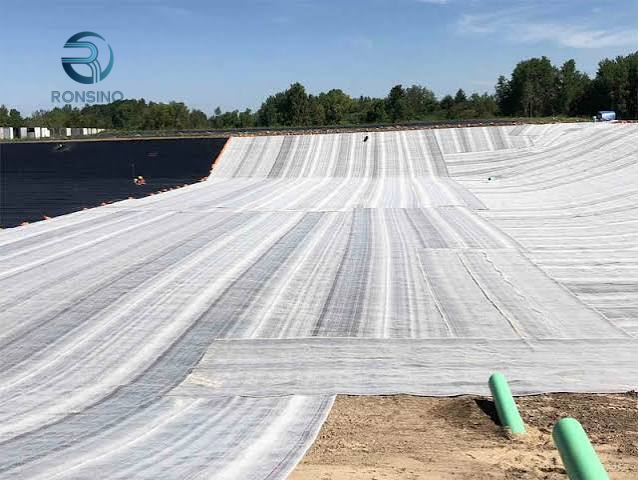
3. Key Factors in GCL Liner Selection
Choosing the right GCL involves much more than just comparing thickness and procurement costs. It requires considering key factors such as the project's specific operational needs, the physical and chemical properties of the soil at the site, local long-term climate characteristics, and the expected service life of the engineering design. These core influencing factors will be analyzed in detail below.
3.1 Project Type & Functional Purpose
3.2 Soil Type & Ground Conditions
Sandy or rocky foundations require composite geosynthetic clay liners (GCLs) with superior resistance to water migration.
For unstable or easily settled foundations, reinforced geosynthetic clay liners (GCLs) should be selected.
Acidic or organic soils: Modified sodium-based bentonite with higher chemical compatibility should be used.
3.3 Climate & Job Site Conditions
In high- or low-temperature areas, materials with stable heat resistance are required.
In humid, windy, or frequently rainy areas, larger roll sizes and moisture-proof packaging are necessary.
For rainy season construction, using quick-installation specifications is crucial to ensuring the project progresses on schedule.
3.4 Permeability & Bentonite Quality
Premium-grade sodium bentonite is the core guarantee for superior operational performance. When selecting products, pay close attention to the following key technical indicators:
Swelling index ≥ 24 ml/2g
Water absorption rate ≥ 600%
Permeability coefficient ≤ 1×10⁻⁹ cm/s
During the supplier quality assessment process, make sure to request the official test reports issued by independent third-party laboratories for verification.
4. 5 Common Mistakes Buyers Make When Purchasing GCL (And How to Avoid Them)
Through years of cooperation with clients worldwide, we at RONSINO have identified some frequent errors buyers make when sourcing GCL. Avoiding these mistakes can save time, money, and project risk.
4.1 Mistake 1: Only focusing on bentonite weight
Reality
The overall effectiveness of a geotextile crystallizer (GCL) is not solely determined by its weight; the type of geotextile used internally, the needle-punching density during production, and the component bonding process are equally crucial.
Guidance
It is recommended to request a complete specification sheet, covering key indicators such as tensile strength, peel strength, and detailed composition of the geotextile used.
4.2 Mistake 2: Chasing the lowest price without assessing quality
Reality: Cheap GCL may contain recycled fabrics or low-grade clay, causing early leakage. Repairs cost far more than premium materials.
Tip: Choose suppliers with certifications (ISO, CE, SGS) and verifiable export records.
4.3 Mistake 3: Ignoring packaging & shipping protection
Practical Note
GCL is highly sensitive to moisture. Without waterproof packaging and shipping pallets, it may hydrate prematurely during transport, losing its function entirely.
Operational Suggestion
Require composite packaging: double-layer plastic waterproof wrap + reinforced woven outer bag + wooden pallet. Also demand real-time loading photos from the supplier before shipment.
4.4 Mistake 4: Copying GCL specs from other countries or projects
Real-world conditions vary significantly across different regions. For example, in typical desert climates like the Middle East, bentonite geotextile blankets (GCLs) are prone to expansion, contraction, deformation, and even warping due to drastic temperature fluctuations. In rainy tropical regions, the limited construction window during the rainy season often necessitates the use of products that can be quickly laid to ensure project progress.
Practical advice
It is essential to tailor product specifications to the specific soil characteristics, climate, and terrain slope conditions of the project site. We recommend consulting directly with the supplier to obtain customized solutions tailored to the specific circumstances of your project.
4.5 Mistake 5: Not understanding customs or certification requirements
Reality: Some countries (e.g., South Africa, Saudi Arabia) require SABS/SASO/SONCAP certificates. Failure to prepare leads to delays or fines.
Tip: Work with an experienced exporter like RONSINO who can provide CO, MSDS, SDS, Test Reports, and more.
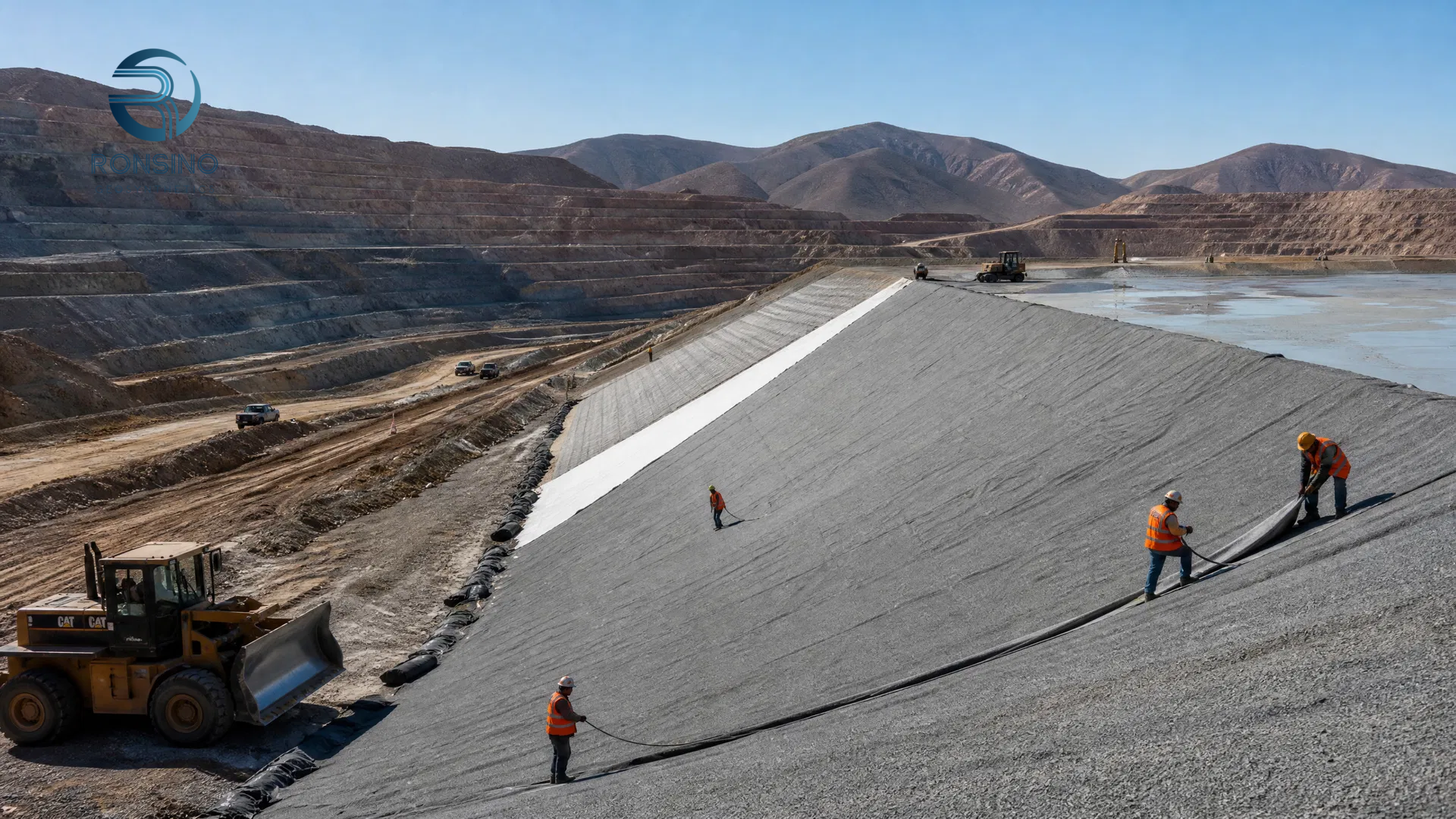
5. How to Evaluate GCL Liner Product Quality?
5.1 Manufacturing Process
High-grade sodium bentonite with high montmorillonite content significantly improves adsorption performance; uniform needle punching process ensures a tight and stable structure; integrated one-step HDPE coating process improves production efficiency and enhances finished product strength; fully automated quality monitoring system enables precise control and traceability of parameters throughout the entire process from raw materials to finished products, ensuring a high degree of consistency in quality.
5.2 Certifications & Export Experience
ISO 9001/14001
CE / SGS / BV / SANS
Ability to handle cross-border documentation and inspection
5.3 Technical Support
RONSINO provides:
Customized project solutions for adaptation and matching
Complete set of engineering construction drawings and on-site installation technical guidance
Free product sample delivery and provision of third-party authoritative testing reports
Overall cross-border export logistics planning, customs clearance and documentation assistance, and full-cycle after-sales maintenance support
6. Why Choose RONSINO?
As a leading provider of geosynthetic solutions from China, RONSINO delivers:
Swift logistics: Over 300,000 m² of GCL inventory available for dispatch within a week
Premium-grade bentonite: Montmorillonite purity reaching up to 98%
Worldwide reach: Serving clients across 50+ nations, including regions in South America, Africa, Asia, and the Middle East
Technical assistance: Complimentary design layouts, detailed drawings, and tailored modifications
Multilingual expertise: Sales support in English, Spanish, French, and Arabic
7. Conclusion: A Smarter Approach to GCL Selection
Selecting the appropriate geosynthetic clay liner is far more than a mere technical judgment call—it represents a solemn pledge to both the structural safety of the entire project and the fulfillment of environmental stewardship obligations. As a leading provider in the waterproofing material sector, RONSINO is fully dedicated to offering professional guidance to purchasers across the globe, helping them identify intelligent, eco-friendly and high-performance waterproofing solutions that perfectly match their specific project needs.
Get in touch with our team right now to obtain detailed technical specifications, complimentary product samples, or customized price quotations tailored to your requirements.
The market offers a wide variety of geosynthetic clay mat products with varying performance characteristics. For designers, engineers, and procurement professionals, selecting the most suitable product type and specifications for a specific project often presents a significant challenge.
Authored by RONSINO Geosynthetics, a foremost geosynthetic materials producer based in China, this article delves into the critical criteria for selecting GCLs, empowering global purchasers to arrive at well-considered choices from a foreign trade viewpoint.
1. What is GCL and Why is it Important?
Geosynthetic Clay Liner, commonly abbreviated as GCL, is a high-performance composite geosynthetic material formed by encapsulating high-purity natural sodium bentonite between two layers of geotextile, with the upper layer usually adopting a permeable nonwoven fabric and the lower layer a high-strength woven fabric. The upper and lower geotextile layers and the middle bentonite filling are firmly integrated through a needle-punching penetration process, or a combination of needle-punching reinforcement and environmentally friendly adhesive bonding, to ensure the structural stability of the product under various stress conditions.
Core Advantages:
Superior Impermeability: Bentonite, after being activated by water, undergoes an expansion reaction (up to 10 mm thick) to form a dense gel layer structure with a permeability coefficient as low as 1×10⁻⁹ cm/s.
Convenient Construction: The product is lightweight and comes in roll form, facilitating transportation and installation, and can flexibly adapt to various complex site environments for construction operations.
Self-Sealing Function: It has the ability to self-repair and seal minor damage or cracks, effectively preventing the development of media leakage.
Green Economic Advantages: The raw materials are composed of natural clay components, exhibiting significant non-toxic and harmless properties, and providing a long-term ecological protection mechanism to achieve cost-effective optimization.
2. Common Types of GCL Liner and Their Structure
Geosynthetic clay mats (GCLs) come in various structural forms and can be customized to meet different engineering needs and site conditions. At RONSINO, we manufacture GCLs by combining natural clay or other low-permeability mineral materials with geotextiles or geomembranes using needle-punching or stitching processes. This process creates a high-performance and environmentally friendly composite barrier system that is widely used in environmental seepage control.
RONSINO GCL represent an innovative category within the geosynthetic materials field.Their manufacturing process involves sandwiching a core layer composed of natural clay deposits and other low-permeability mineral substances between layers of geotextiles or geomembranes,which are then bonded together using either needle-punching techniquesor specialized stitching procedures.
In scenarios involving specialized engineering conditions,a High-Density Polyethylene (HDPE) membrane can be applied as an additional lamination to the GCL's outer surface,thereby significantly boosting its impermeable characteristics.This enhancement renders it highly suitable for stringent containment scenarios where superior performance is critical including hazardous waste disposal sitesand industrial chemical storage lagoons.Based on variations in structural reinforcement requirements and specific project parameters,RONSINO Geosynthetic Clay Liners may becategorizedinto multiple distinct variants.
2.1 GCL Liner – Standard Needle-Punched GCL (GCL-NP)
Sodium bentonite is enclosed between a nonwoven and a woven fabric and reinforced via needle-punching. Suitable for general applications such as landscape ponds, canals, and ecological barriers.
2.2 GCL Liner – Adhesive-Bonded GCL (GCL-AD)
Adds a heat-bonded adhesive layer to improve internal shear strength. Ideal for slopes, landfills, and mining sites with gradient challenges.
2.3 GCL Liner – HDPE-Composite GCL (GCL-HDPE)
Laminated with a 0.2–0.5 mm HDPE film to enhance impermeability. Perfect for high-risk containment such as hazardous waste facilities and petrochemical plants.
2.4 GCL Liner – Reinforced GCL (GCL-R)
Incorporates reinforcement materials (e.g., fiberglass mesh or polyester grid) to boost tensile strength and performance under heavy loads or differential settlement.
3. Key Factors in GCL Liner Selection
Choosing the right GCL involves much more than just comparing thickness and procurement costs. It requires considering key factors such as the project's specific operational needs, the physical and chemical properties of the soil at the site, local long-term climate characteristics, and the expected service life of the engineering design. These core influencing factors will be analyzed in detail below.
3.1 Project Type & Functional Purpose
| Application Area | Recommended GCL Type | Special Requirements |
| Landfills | Adhesive or HDPE-Composite | High impermeability & shear resistance |
| Industrial wastewater ponds | HDPE or Reinforced GCL | Chemical resistance & durability |
| Reservoirs & lakes | Standard or Reinforced GCL | High water pressure, settlement adaption |
| Tunnel Waterproofing | Adhesive GCL + HDPE combo | Anti-hydrostatic pressure, long life |
| Building Basements | Standard needle-punched | Simple structure, fast installation |
3.2 Soil Type & Ground Conditions
Sandy or rocky foundations require composite geosynthetic clay liners (GCLs) with superior resistance to water migration.
For unstable or easily settled foundations, reinforced geosynthetic clay liners (GCLs) should be selected.
Acidic or organic soils: Modified sodium-based bentonite with higher chemical compatibility should be used.
3.3 Climate & Job Site Conditions
In high- or low-temperature areas, materials with stable heat resistance are required.
In humid, windy, or frequently rainy areas, larger roll sizes and moisture-proof packaging are necessary.
For rainy season construction, using quick-installation specifications is crucial to ensuring the project progresses on schedule.
3.4 Permeability & Bentonite Quality
Premium-grade sodium bentonite is the core guarantee for superior operational performance. When selecting products, pay close attention to the following key technical indicators:
Swelling index ≥ 24 ml/2g
Water absorption rate ≥ 600%
Permeability coefficient ≤ 1×10⁻⁹ cm/s
During the supplier quality assessment process, make sure to request the official test reports issued by independent third-party laboratories for verification.
4. 5 Common Mistakes Buyers Make When Purchasing GCL (And How to Avoid Them)
Through years of cooperation with clients worldwide, we at RONSINO have identified some frequent errors buyers make when sourcing GCL. Avoiding these mistakes can save time, money, and project risk.
4.1 Mistake 1: Only focusing on bentonite weight
Reality
The overall effectiveness of a geotextile crystallizer (GCL) is not solely determined by its weight; the type of geotextile used internally, the needle-punching density during production, and the component bonding process are equally crucial.
Guidance
It is recommended to request a complete specification sheet, covering key indicators such as tensile strength, peel strength, and detailed composition of the geotextile used.
4.2 Mistake 2: Chasing the lowest price without assessing quality
Reality: Cheap GCL may contain recycled fabrics or low-grade clay, causing early leakage. Repairs cost far more than premium materials.
Tip: Choose suppliers with certifications (ISO, CE, SGS) and verifiable export records.
4.3 Mistake 3: Ignoring packaging & shipping protection
Practical Note
GCL is highly sensitive to moisture. Without waterproof packaging and shipping pallets, it may hydrate prematurely during transport, losing its function entirely.
Operational Suggestion
Require composite packaging: double-layer plastic waterproof wrap + reinforced woven outer bag + wooden pallet. Also demand real-time loading photos from the supplier before shipment.
4.4 Mistake 4: Copying GCL specs from other countries or projects
Real-world conditions vary significantly across different regions. For example, in typical desert climates like the Middle East, bentonite geotextile blankets (GCLs) are prone to expansion, contraction, deformation, and even warping due to drastic temperature fluctuations. In rainy tropical regions, the limited construction window during the rainy season often necessitates the use of products that can be quickly laid to ensure project progress.
Practical advice
It is essential to tailor product specifications to the specific soil characteristics, climate, and terrain slope conditions of the project site. We recommend consulting directly with the supplier to obtain customized solutions tailored to the specific circumstances of your project.
4.5 Mistake 5: Not understanding customs or certification requirements
Reality: Some countries (e.g., South Africa, Saudi Arabia) require SABS/SASO/SONCAP certificates. Failure to prepare leads to delays or fines.
Tip: Work with an experienced exporter like RONSINO who can provide CO, MSDS, SDS, Test Reports, and more.
5. How to Evaluate GCL Liner Product Quality?
5.1 Manufacturing Process
High-grade sodium bentonite with high montmorillonite content significantly improves adsorption performance; uniform needle punching process ensures a tight and stable structure; integrated one-step HDPE coating process improves production efficiency and enhances finished product strength; fully automated quality monitoring system enables precise control and traceability of parameters throughout the entire process from raw materials to finished products, ensuring a high degree of consistency in quality.
5.2 Certifications & Export Experience
ISO 9001/14001
CE / SGS / BV / SANS
Ability to handle cross-border documentation and inspection
5.3 Technical Support
RONSINO provides:
Customized project solutions for adaptation and matching
Complete set of engineering construction drawings and on-site installation technical guidance
Free product sample delivery and provision of third-party authoritative testing reports
Overall cross-border export logistics planning, customs clearance and documentation assistance, and full-cycle after-sales maintenance support
6. Why Choose RONSINO?
As a leading provider of geosynthetic solutions from China, RONSINO delivers:
Swift logistics: Over 300,000 m² of GCL inventory available for dispatch within a week
Premium-grade bentonite: Montmorillonite purity reaching up to 98%
Worldwide reach: Serving clients across 50+ nations, including regions in South America, Africa, Asia, and the Middle East
Technical assistance: Complimentary design layouts, detailed drawings, and tailored modifications
Multilingual expertise: Sales support in English, Spanish, French, and Arabic
7. Conclusion: A Smarter Approach to GCL Selection
Selecting the appropriate geosynthetic clay liner is far more than a mere technical judgment call—it represents a solemn pledge to both the structural safety of the entire project and the fulfillment of environmental stewardship obligations. As a leading provider in the waterproofing material sector, RONSINO is fully dedicated to offering professional guidance to purchasers across the globe, helping them identify intelligent, eco-friendly and high-performance waterproofing solutions that perfectly match their specific project needs.
Get in touch with our team right now to obtain detailed technical specifications, complimentary product samples, or customized price quotations tailored to your requirements.